Sigismund Neukomm
Libera me, Domine
Released Album
Recent Album
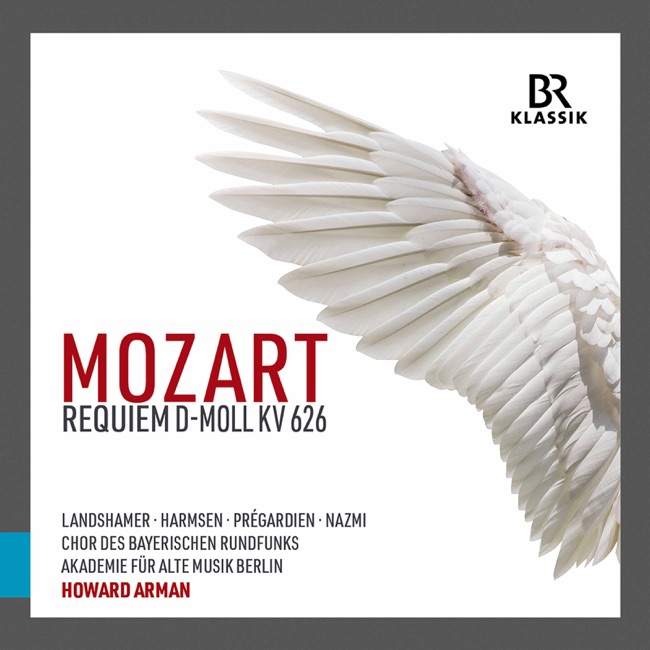
Featured Album
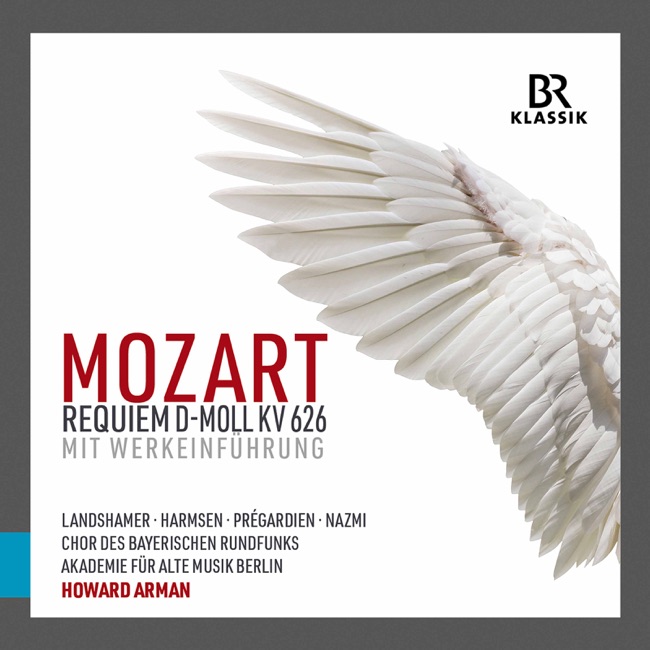
Works Info
Composer:Sigismund NeukommGenre:ChoralCompose Date:1821Average_duration:07:07Movement_count:6Movement ...."Libera me, Domine" is a choral work composed by Sigismund Neukomm, a prolific Austrian composer of the early 19th century. The piece was composed in 1825 and premiered in Paris in the same year. It is a sacred work, written for a choir and orchestra, and is divided into three movements. The first movement begins with a solemn and mournful introduction, with the choir singing the words "Libera me, Domine" (Deliver me, Lord) in a slow and mournful manner. The orchestra then enters, with a somber melody played by the strings. The choir and orchestra alternate throughout the movement, with the choir singing the text of the Latin Requiem Mass and the orchestra providing a musical accompaniment. The second movement is more lively and upbeat, with the choir singing a joyful hymn of praise to God. The orchestra provides a lively accompaniment, with the strings playing a fast and energetic melody. The choir and orchestra alternate throughout the movement, with the choir singing the text of the Latin Mass and the orchestra providing a musical accompaniment. The third and final movement returns to the somber and mournful tone of the first movement. The choir sings the text of the "Libera me" again, this time with a sense of urgency and desperation. The orchestra provides a dramatic accompaniment, with the strings playing a mournful melody and the brass and percussion adding a sense of drama and tension. The movement builds to a powerful climax, with the choir and orchestra coming together in a final plea for deliverance. Overall, "Libera me, Domine" is a powerful and moving work, with a sense of drama and urgency that is typical of Neukomm's style. The piece is notable for its use of contrasting moods and textures, with the lively second movement providing a stark contrast to the mournful first and third movements. The work is also notable for its use of the Latin Mass text, which gives it a timeless and universal quality that has made it a popular choice for choral performances and religious services.More....