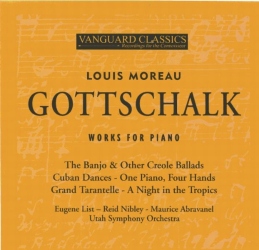
Louis Moreau Gottschalk
Printemps d'amour, mazurka: concert for piano, 4 hands, RO 214
Released Album
Recent Album

Works Info
Composer:Louis Moreau GottschalkGenre:KeyboardStyle:KeyboardPublication Date:1873Average_duration:4:04"Printemps d'amour, mazurka: concert for piano, 4 hands, RO 214" is a composition by the American composer and pianist Louis Moreau Gottschalk. It was composed in 1865 and premiered the same year in New York City. The piece is part of Gottschalk's larger body of work, which is characterized by its fusion of European classical music with African American and Latin American musical traditions. The composition is divided into three movements, each of which is marked by a distinct character and mood. The first movement, marked "Allegro moderato," is a lively and energetic mazurka that features a syncopated rhythm and a playful melody. The second movement, marked "Andantino," is a more lyrical and introspective piece that features a flowing melody and delicate harmonies. The final movement, marked "Allegro con fuoco," is a fiery and virtuosic piece that showcases the technical prowess of the performers. One of the defining characteristics of "Printemps d'amour, mazurka: concert for piano, 4 hands, RO 214" is its use of syncopation and rhythmic complexity. Gottschalk was known for his innovative use of rhythm, and this piece is no exception. The syncopated rhythms and complex cross-rhythms give the piece a lively and energetic feel, while also showcasing the technical skill of the performers. Another characteristic of the piece is its use of melody and harmony. Gottschalk was known for his use of folk melodies and popular tunes in his compositions, and this piece is no exception. The melodies are catchy and memorable, while the harmonies are rich and colorful, adding depth and complexity to the piece. Overall, "Printemps d'amour, mazurka: concert for piano, 4 hands, RO 214" is a lively and engaging piece that showcases Gottschalk's unique blend of European classical music with African American and Latin American musical traditions. Its use of syncopation, melody, and harmony make it a memorable and enjoyable piece for performers and audiences alike.More....
Works Music
Released Music