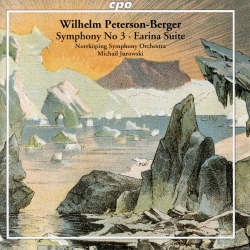
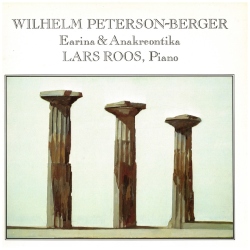
Wilhelm Peterson-Berger
Earina Suite for orchestra
Released Album
Recent Album
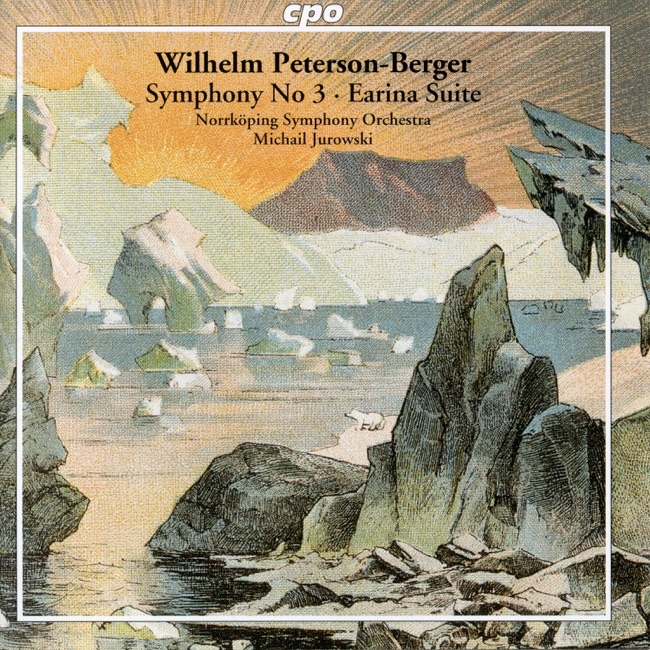
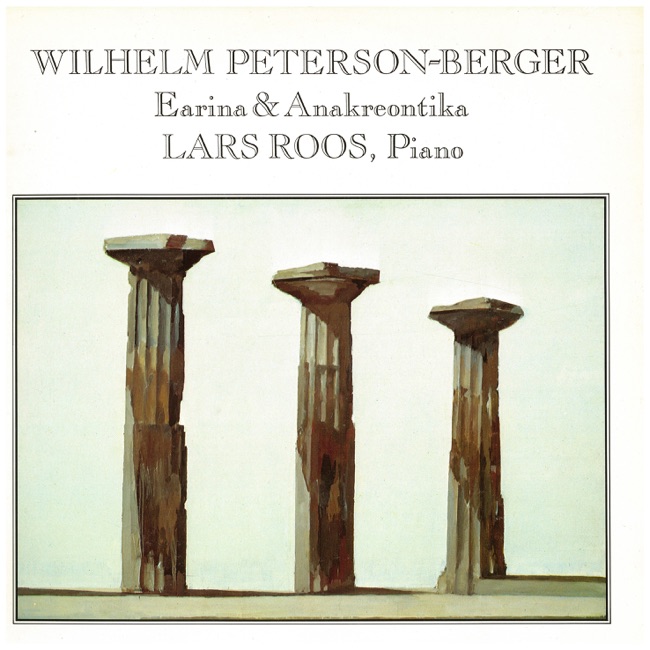
Works Info
Composer:Wilhelm Peterson-BergerGenre:OrchestralStyle:SuiteAverage_duration:20:45Wilhelm Peterson-Berger was a Swedish composer who lived from 1867 to 1942. He was known for his nationalistic style of music, which often incorporated elements of Swedish folk music. One of his most famous works is the Earina Suite for orchestra, which was composed in 1910. The Earina Suite for orchestra premiered on November 25, 1910, in Stockholm, Sweden. It was performed by the Royal Stockholm Philharmonic Orchestra, conducted by the composer himself. The suite consists of four movements, each of which is named after a different type of flower. The first movement, "Lilacs," is a slow and melancholic piece that features a prominent solo for the English horn. The lilac is a common flower in Sweden, and Peterson-Berger uses it to evoke a sense of nostalgia and longing. The second movement, "Daisies," is a lively and playful piece that features a prominent solo for the flute. The daisy is a symbol of innocence and purity, and Peterson-Berger uses it to create a sense of joy and lightness. The third movement, "Anemones," is a slow and dreamy piece that features a prominent solo for the violin. The anemone is a delicate flower that grows in the forests of Sweden, and Peterson-Berger uses it to create a sense of mystery and enchantment. The fourth and final movement, "Forget-Me-Nots," is a fast and energetic piece that features a prominent solo for the trumpet. The forget-me-not is a symbol of remembrance, and Peterson-Berger uses it to create a sense of celebration and triumph. Overall, the Earina Suite for orchestra is a beautiful and evocative work that showcases Peterson-Berger's skill as a composer. Its use of Swedish folk elements and its focus on the natural world make it a quintessentially Swedish work of music.More....
Works Music
Released Music