


Franz Joseph Haydn
Divertimento for baryton, 2 violins, viola, cello, bass & 2 horns in G major, H. 10/12
Released Album
Recent Album
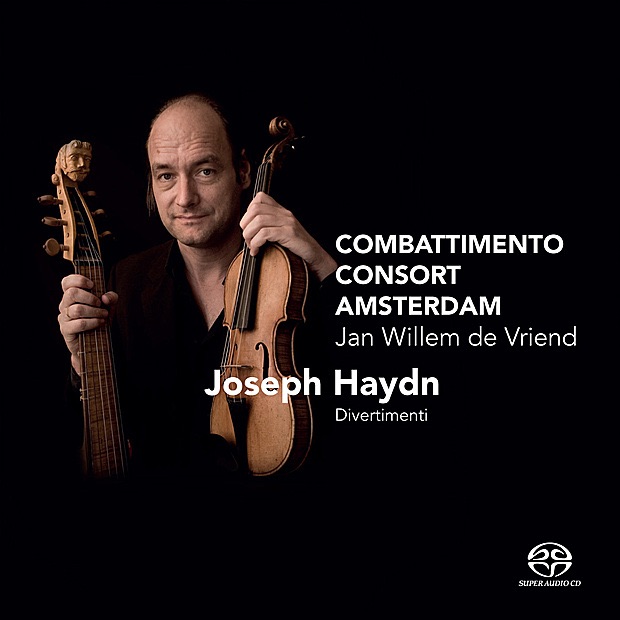
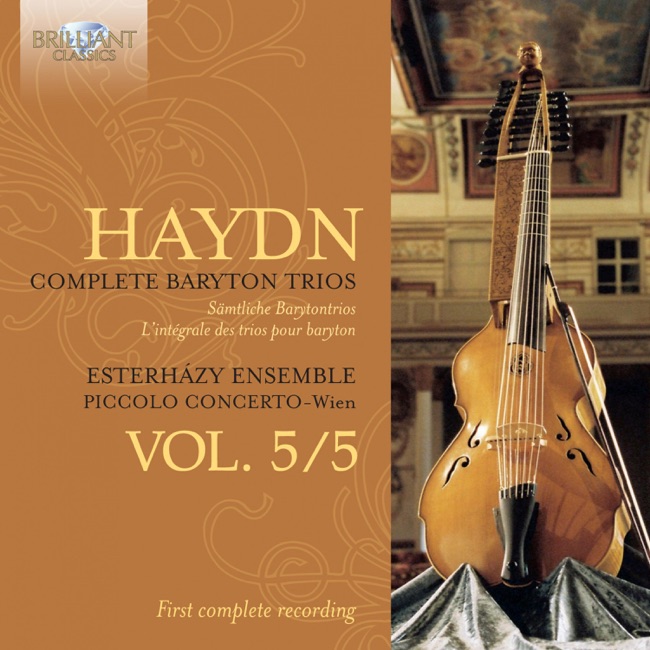
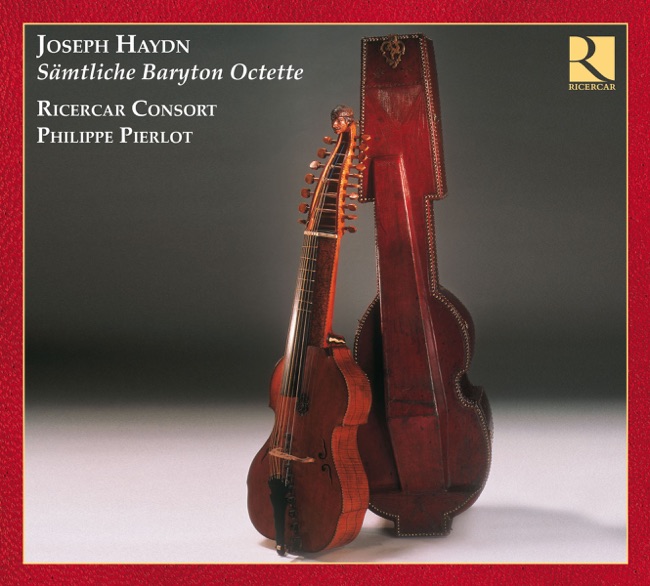
Works Info
Composer:Franz Joseph HaydnGenre:OrchestralStyle:DivertimentoAverage_duration:13:53Movement_count:3Movement ....Franz Joseph Haydn's 'Divertimento for baryton, 2 violins, viola, cello, bass & 2 horns in G major, H. 10/12' was composed in 1763. It premiered in the same year at the Esterházy court in Eisenstadt, where Haydn was employed as a court musician. The piece consists of six movements and is approximately 20 minutes in length. The first movement, marked Allegro, is in sonata form and features a lively and cheerful melody. The second movement, marked Menuetto, is a dance-like movement in triple meter. The third movement, marked Adagio, is a slow and expressive movement that showcases the baryton, a stringed instrument that was popular in the 18th century but has since fallen out of use. The baryton is a unique instrument that has a set of wire strings that are played by the performer's left hand while the right hand plucks a set of gut strings. The fourth movement, marked Menuetto, is similar in style to the second movement and features a playful melody. The fifth movement, marked Adagio, is another slow and expressive movement that highlights the baryton. The final movement, marked Presto, is a fast and lively movement that brings the piece to a joyful conclusion. Overall, the 'Divertimento for baryton, 2 violins, viola, cello, bass & 2 horns in G major, H. 10/12' is a charming and delightful work that showcases Haydn's skill as a composer. The use of the baryton adds a unique and interesting element to the piece, and the various movements provide a range of moods and styles that keep the listener engaged throughout.More....
Works Music
Released Music
1
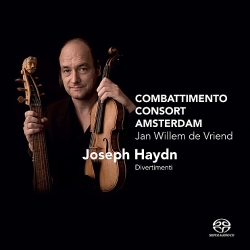
5:16
2
4:51
3
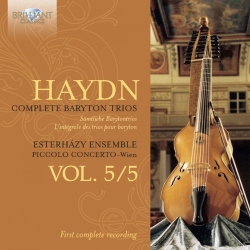
2:44
4
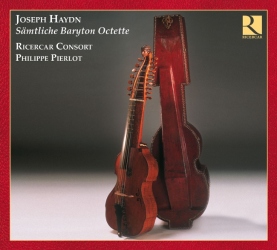
5:1