Tomás Luis de Victoria
Matribus suis dixerunt
Released Album
Recent Album
Featured Album
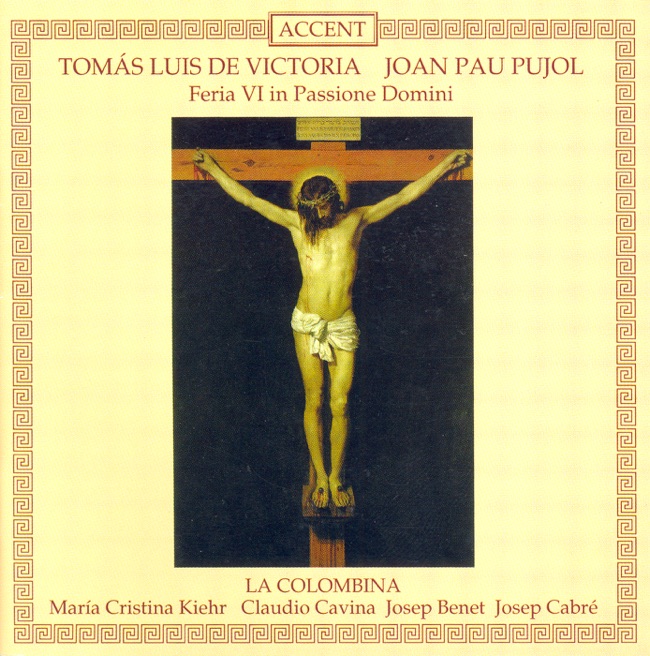
Works Info
Composer:Tomás Luis de VictoriaGenre:ChoralStyle:LamentationPublication Date:1585Average_duration:4:24"Matribus suis dixerunt" is a sacred motet composed by the Spanish composer Tomás Luis de Victoria. The piece was composed in the late 16th century, during the Renaissance period, and was first performed in 1585. The motet is written for four voices, and is based on a text from the Book of Lamentations in the Bible. The piece is divided into three movements, each of which is characterized by its own unique musical style and mood. The first movement is marked "Allegro," and features a lively, rhythmic melody that is passed between the voices. The second movement is marked "Adagio," and is more contemplative in nature, with a slower tempo and more sustained harmonies. The final movement is marked "Allegro," and returns to the lively, rhythmic style of the first movement. One of the most notable characteristics of "Matribus suis dixerunt" is its use of polyphony, or the interweaving of multiple independent melodies. Victoria was known for his skillful use of polyphony, and this piece is a prime example of his mastery of the technique. The four voices in the motet are constantly interacting with each other, creating a rich and complex texture that is both beautiful and intricate. Another characteristic of the piece is its use of dissonance. Victoria was known for his bold use of dissonance, and "Matribus suis dixerunt" is no exception. The piece features several moments of tension and resolution, as the voices move in and out of harmony with each other. Overall, "Matribus suis dixerunt" is a stunning example of Renaissance sacred music. Its intricate polyphony, bold use of dissonance, and expressive text setting make it a masterpiece of the genre.More....
Works Music
Released Music
2
Matribus am dixerunt
Lamed. Matribus suis, In Passione Domini Lectio 2 (Officium hebdomadoe sanctæ)
3:56
3
3:58
Featured Music