


Albert Roussel
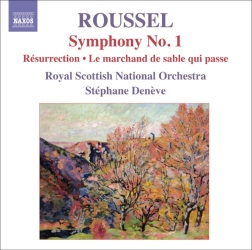
Résurrection, Op. 4 "Symphonic Poem after Tolstoy"
Released Album
Recent Album
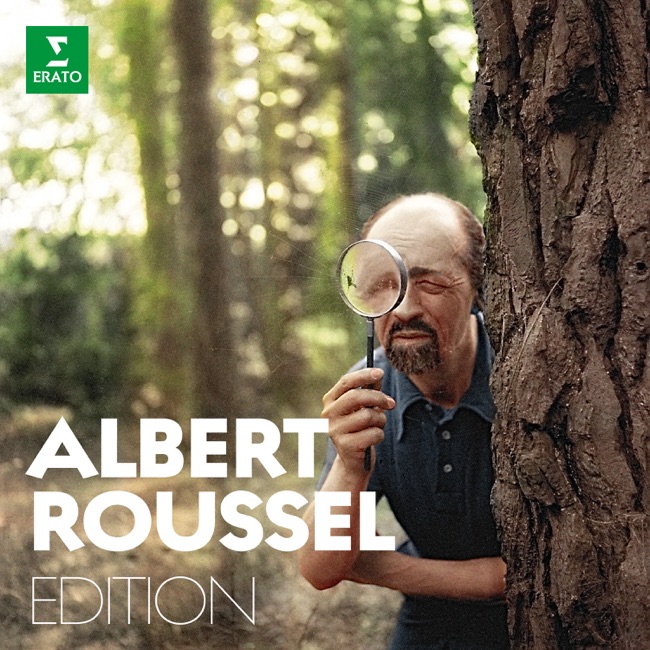
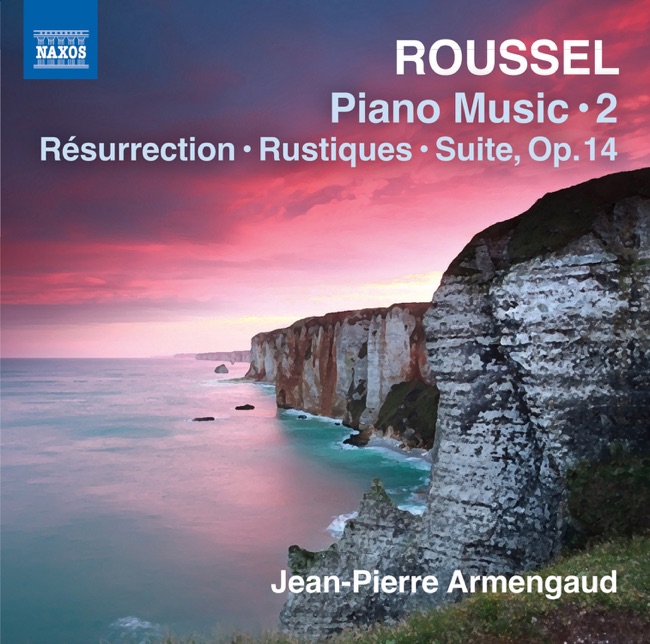
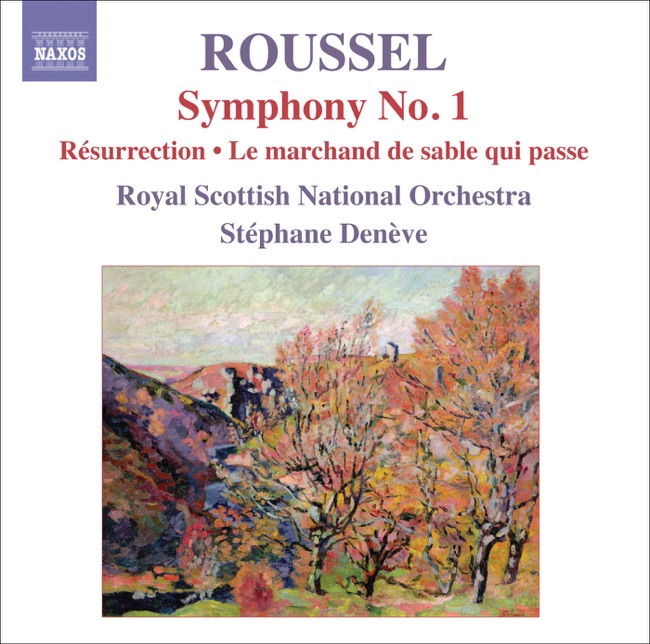
Works Info
Composer:Albert RousselGenre:OrchestralStyle:Tone PoemCompose Date:1903Average_duration:10:42Albert Roussel's 'Résurrection, Op. 4 Symphonic Poem after Tolstoy' is a powerful and evocative work that was composed in 1903. The piece was premiered in Paris on March 25, 1904, and was met with critical acclaim for its innovative use of orchestration and its emotional depth. The work is divided into three movements, each of which explores a different aspect of the theme of resurrection. The first movement, titled 'The Awakening', begins with a quiet and mysterious introduction that gradually builds in intensity as the orchestra swells to a climax. This section represents the moment of awakening, as the protagonist of Tolstoy's novel experiences a spiritual rebirth. The second movement, 'The Struggle', is a more turbulent and dramatic section that depicts the protagonist's struggle to overcome the obstacles that stand in the way of his spiritual growth. The music is characterized by its driving rhythms and intense harmonies, which convey a sense of urgency and desperation. The final movement, 'The Triumph', is a triumphant and uplifting section that celebrates the protagonist's ultimate victory over his inner demons. The music is characterized by its soaring melodies and rich harmonies, which convey a sense of joy and exultation. Throughout the work, Roussel employs a wide range of orchestral colors and textures to create a vivid and evocative musical landscape. He uses a variety of percussion instruments, including timpani, snare drum, and cymbals, to add rhythmic interest and drive to the music. He also makes use of a large brass section, including trumpets, trombones, and tuba, to create a sense of grandeur and power. Overall, 'Résurrection, Op. 4 Symphonic Poem after Tolstoy' is a masterful work that showcases Roussel's skill as a composer and his ability to create music that is both emotionally powerful and intellectually stimulating. Its themes of spiritual rebirth and triumph over adversity continue to resonate with audiences today, making it a timeless masterpiece of the orchestral repertoire.More....
Works Music
Released Music
1
Résurrection, Op. 4 "Symphonic Poem after Tolstoy"
Résurrection, Op. 4 L.4 symphonic prelude after Tolstoy
12:54

3
10:33