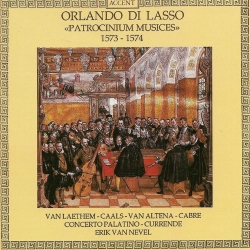
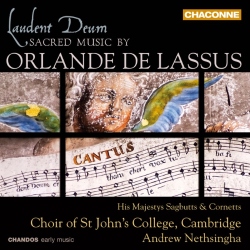
Orlande de Lassus
Agimus tibi gratias, for 6 voices, M. ix (S. xiii/103)
Released Album
Recent Album
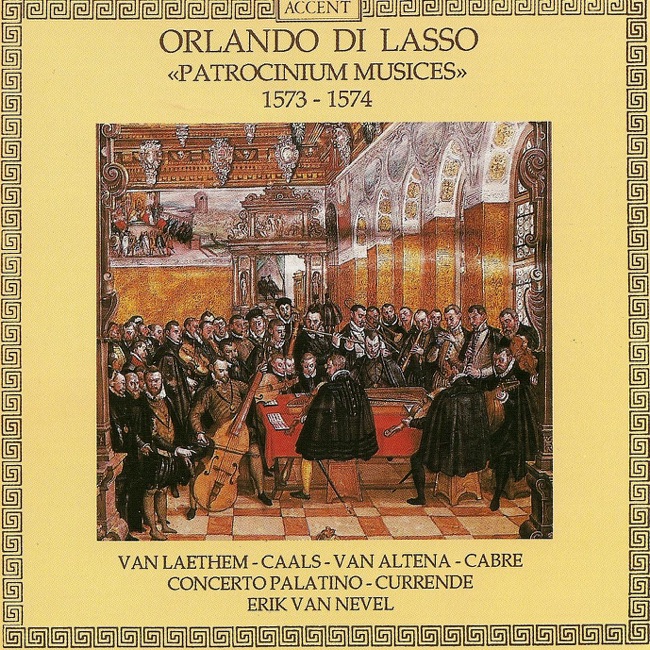
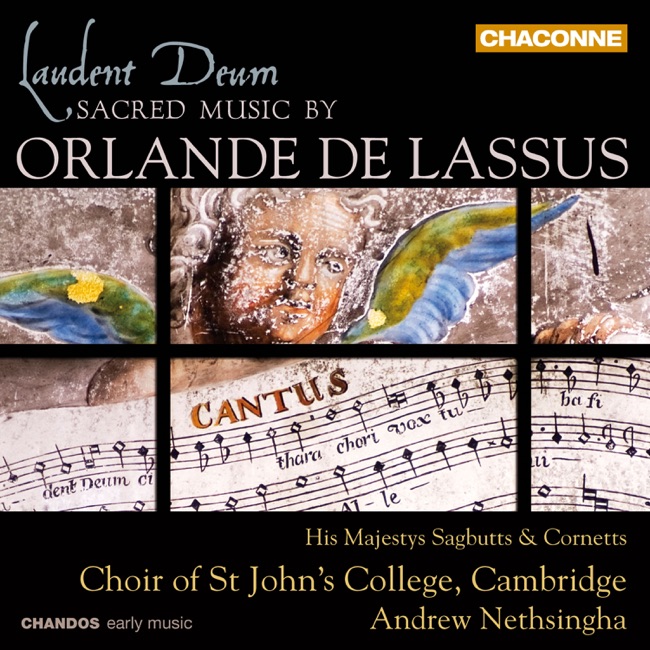
Works Info
Composer:Orlande de LassusGenre:ChoralStyle:ChoralPublication Date:1573Average_duration:1:25Orlande de Lassus, also known as Roland de Lassus, was a prominent composer of the late Renaissance period. He was born in Mons, Hainaut, in present-day Belgium, in 1532 or 1530, and died in Munich, Germany, in 1594. Lassus was one of the most versatile and prolific composers of his time, and his works include masses, motets, madrigals, chansons, and instrumental music. One of Lassus's most famous compositions is "Agimus tibi gratias," a motet for six voices, which is also known as "Suscipe quaeso Domine." The piece was composed in 1577 and was first performed in Munich, Germany, in the same year. The motet is part of Lassus's "Sacrae cantiones," a collection of sacred works for various vocal combinations. "Agimus tibi gratias" is divided into three movements, each with its own distinct character and mood. The first movement is a joyful and exuberant expression of gratitude, with the voices singing in unison and harmony. The second movement is more introspective and contemplative, with the voices weaving in and out of each other in a complex and intricate polyphonic texture. The third movement returns to the joyful and celebratory mood of the first, with the voices coming together in a grand and majestic finale. The piece is characterized by Lassus's masterful use of counterpoint, harmony, and rhythm. The voices are often divided into two or three choirs, creating a rich and varied sound. The text, which is in Latin, is a prayer of thanksgiving and supplication, asking God to accept the offering of the singers' voices and to grant them mercy and grace. Overall, "Agimus tibi gratias" is a masterpiece of Renaissance choral music, showcasing Lassus's skill and creativity as a composer. Its combination of joyful exuberance and introspective contemplation makes it a powerful and moving work, and it remains a beloved and frequently performed piece in the choral repertoire.More....
Works Music