Jean Roger-Ducasse
Rythmes
Released Album
Recent Album

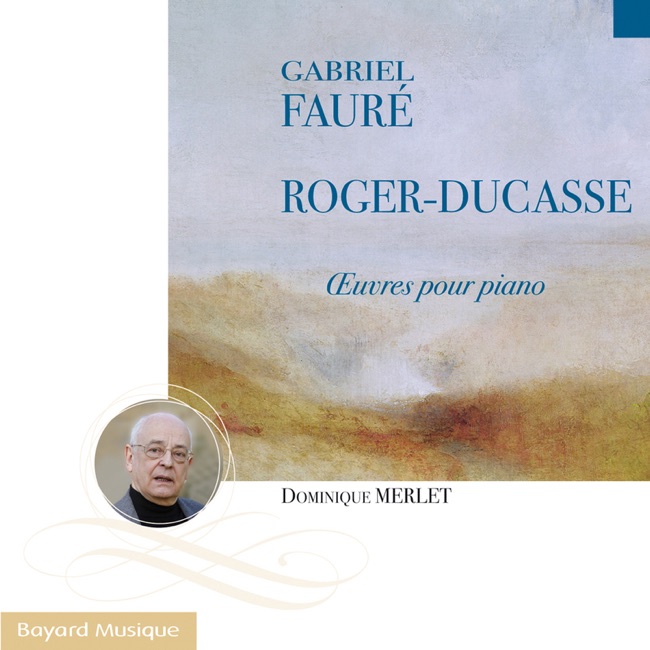
Works Info
Composer:Jean Roger-DucasseGenre:KeyboardCompose Date:1917Average_duration:4:56Jean Roger-Ducasse was a French composer who lived from 1873 to 1954. He was a student of Gabriel Fauré and was known for his neoclassical style of composition. One of his most famous works is "Rythmes," which was composed in 1928. "Rythmes" is a suite for piano that consists of four movements. The first movement is titled "Prélude" and is marked "modéré." It begins with a simple melody in the right hand that is accompanied by a rhythmic pattern in the left hand. The melody is then developed and expanded upon, with the left hand providing a driving rhythm. The movement ends with a return to the original melody. The second movement is titled "Sarabande" and is marked "lent." It is a slow, stately dance that is characterized by its use of triple meter. The melody is simple and elegant, with the left hand providing a gentle accompaniment. The movement ends with a quiet, introspective coda. The third movement is titled "Toccata" and is marked "vif." It is a fast, virtuosic piece that showcases the pianist's technical abilities. The right hand plays a rapid, arpeggiated melody while the left hand provides a driving rhythm. The movement ends with a dramatic flourish. The final movement is titled "Final" and is marked "modéré." It begins with a simple melody in the right hand that is accompanied by a pulsing rhythm in the left hand. The melody is then developed and expanded upon, with the left hand providing a more complex rhythmic pattern. The movement ends with a triumphant coda. Overall, "Rythmes" is characterized by its use of rhythmic patterns and its neoclassical style. It is a challenging work for the pianist, requiring both technical skill and musical sensitivity. "Rythmes" premiered in Paris in 1929 and has since become a staple of the piano repertoire.More....
Works Music
Released Music