


Johann Friedrich Fasch
Overture in E minor
Released Album
Recent Album
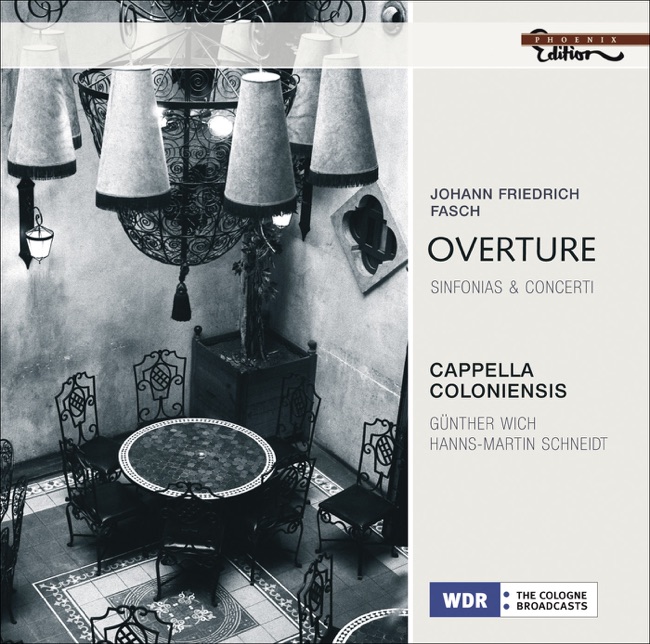
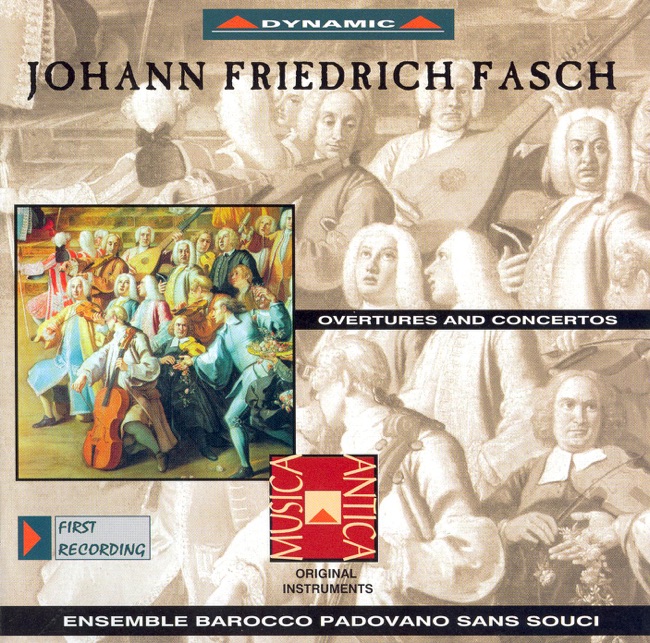
Featured Album
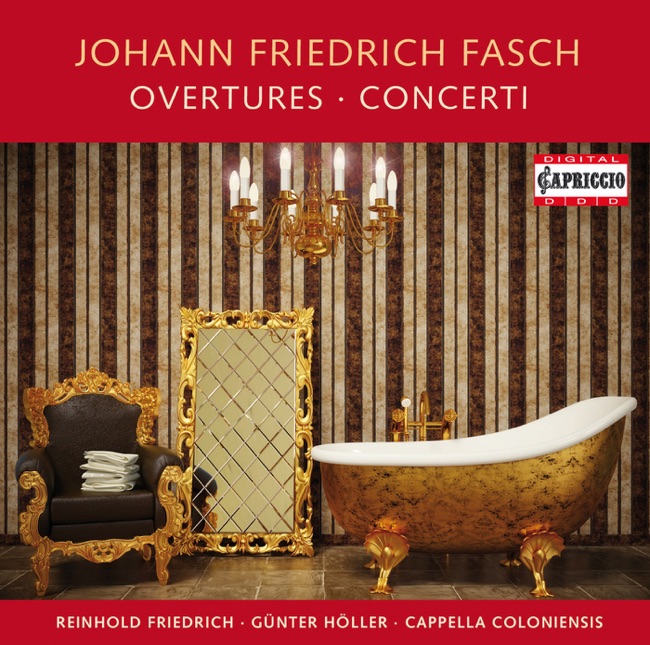
Works Info
Composer:Johann Friedrich FaschGenre:OrchestralStyle:SuiteAverage_duration:13:12Johann Friedrich Fasch was a German Baroque composer who lived from 1688 to 1758. He was a contemporary of Johann Sebastian Bach and Georg Philipp Telemann, and was highly regarded in his time for his instrumental music. One of his most famous works is the Overture in E minor, which was composed in the early 1730s. The Overture in E minor is a six-movement work for orchestra. It was likely composed for a court or church performance, and would have been played by a small ensemble of strings, winds, and possibly a harpsichord. The work is notable for its lively rhythms, rich harmonies, and virtuosic solo passages. The first movement of the Overture is a slow introduction, marked Adagio. It features a solemn melody played by the strings, with occasional interjections from the winds. This leads into the second movement, marked Allegro, which is a lively dance in triple meter. The strings and winds trade off melodic material, with the occasional solo passage for a virtuosic instrumentalist. The third movement is marked Andante, and features a lyrical melody played by the oboe and violin. The strings provide a gentle accompaniment, with occasional interjections from the winds. The fourth movement is marked Allegro, and is another lively dance in triple meter. This movement features a virtuosic solo passage for the violin, which is then echoed by the other instruments. The fifth movement is marked Largo, and is a slow, expressive aria for the oboe. The strings provide a rich, harmonious accompaniment, with occasional interjections from the winds. The final movement is marked Allegro, and is a lively dance in duple meter. This movement features a virtuosic solo passage for the flute, which is then echoed by the other instruments. Overall, the Overture in E minor is a lively and expressive work that showcases Fasch's skill as a composer of instrumental music. Its six movements provide a variety of moods and textures, and its virtuosic solo passages would have been sure to impress audiences of the time. Today, the work remains a popular choice for orchestral performances and recordings.More....
Works Music
Released Music
Featured Music
2
2:19
4
3:6