Jacobus Vaet
Ascendetis post filium
Released Album
Recent Album
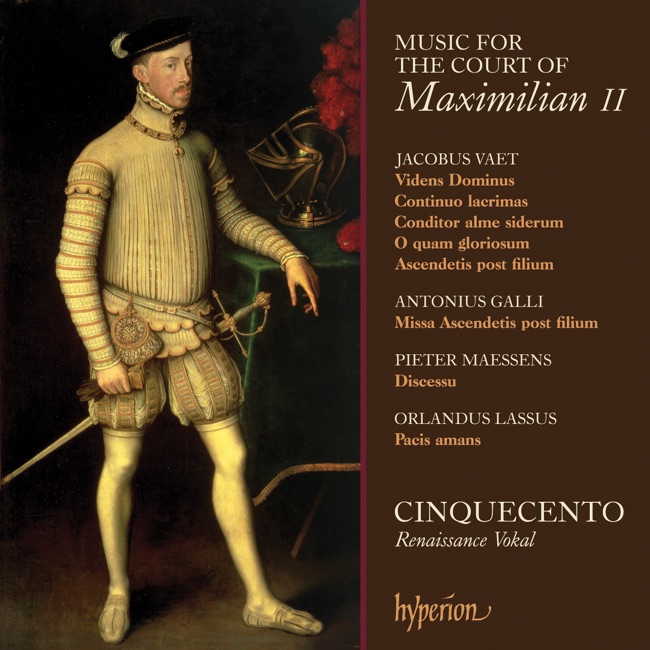
Works Info
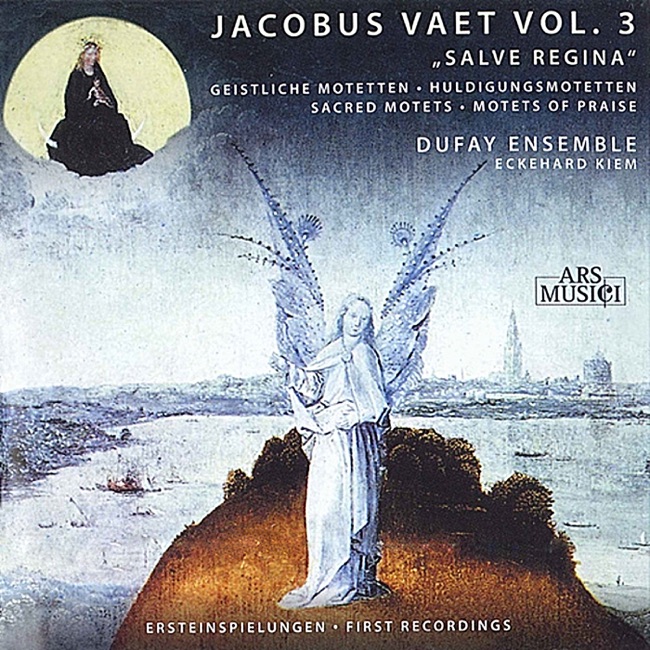
Composer:Jacobus VaetGenre:ChoralStyle:ChoralAverage_duration:6:53"Ascendetis post filium" is a motet composed by Jacobus Vaet, a Flemish composer of the Renaissance era. The piece was likely composed in the early 16th century, although the exact date is unknown. It was first performed in the court of Emperor Charles V, who was a patron of Vaet. The motet is divided into four movements, each with its own distinct character. The first movement is a slow and solemn introduction, setting the tone for the rest of the piece. The second movement is more lively and rhythmic, with a faster tempo and more complex harmonies. The third movement is a slower and more contemplative section, featuring a solo voice accompanied by the choir. The final movement is a triumphant conclusion, with the choir singing in unison and the music building to a grand finale. One of the most notable characteristics of "Ascendetis post filium" is its use of polyphony, a technique in which multiple voices sing different melodies simultaneously. Vaet was known for his skill in polyphonic composition, and this motet is a prime example of his mastery of the technique. The piece also features intricate harmonies and complex rhythms, showcasing Vaet's technical prowess as a composer. Overall, "Ascendetis post filium" is a powerful and moving piece of music, reflecting the religious and cultural values of the Renaissance era. Its intricate polyphony and complex harmonies make it a challenging but rewarding work for performers and listeners alike.More....
Works Music
Released Music