Napoléon Coste
Etude for guitar in D minor, Op. 38/3
Released Album
Recent Album
Works Info
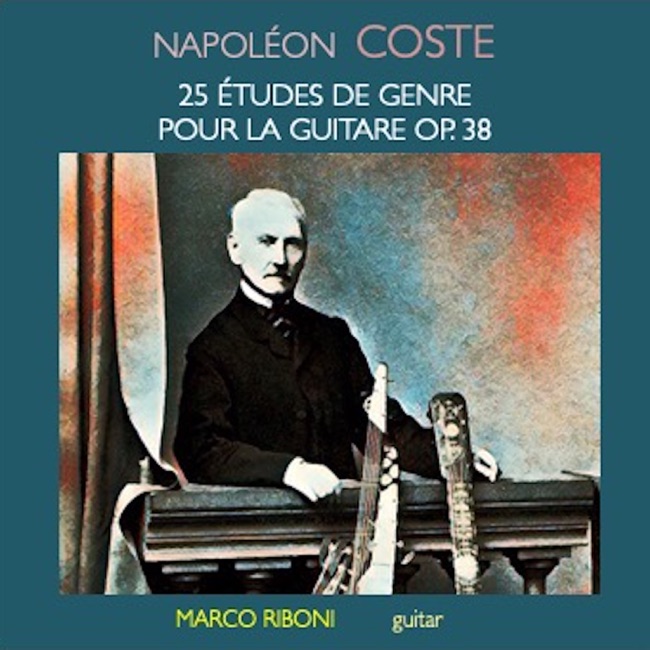
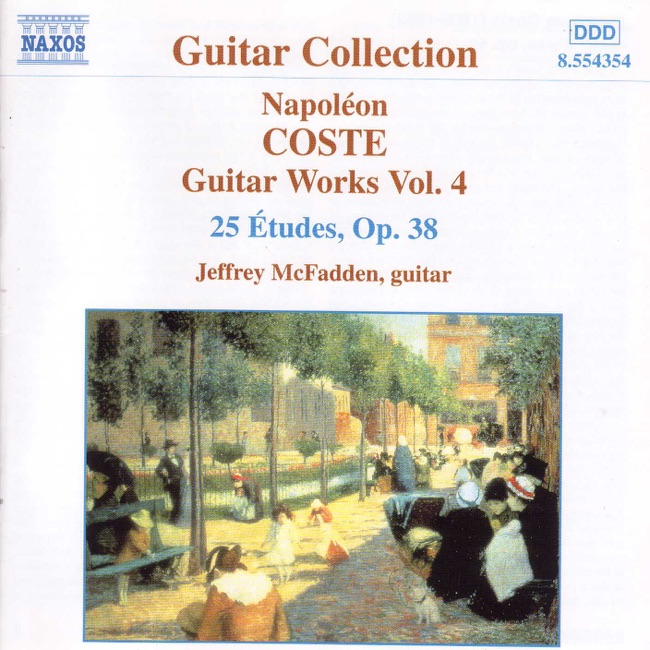
Composer:Napoléon CosteGenre:ChamberStyle:EtudeAverage_duration:0:53Etude for guitar in D minor, Op. 38/3 is a piece composed by Napoléon Coste, a French guitarist and composer who lived from 1805 to 1883. The piece was composed in the mid-19th century and was first published in 1863. It is part of a set of twelve etudes that Coste composed for the guitar. The premiere of the piece is not well-documented, but it is likely that Coste himself performed it in concerts and recitals. The piece has since become a popular choice for guitarists and is often included in guitar competitions and exams. The Etude for guitar in D minor, Op. 38/3 is a technically demanding piece that showcases the virtuosity of the performer. It is written in a fast tempo and features intricate fingerpicking patterns and rapid scale runs. The piece is also notable for its use of harmonics, which add a shimmering quality to the sound. The piece is divided into three movements. The first movement is marked Allegro moderato and is in D minor. It begins with a fast and lively arpeggio pattern that sets the tone for the rest of the piece. The second movement is marked Andantino and is in B-flat major. It is a slower and more lyrical section that provides a contrast to the first movement. The third movement is marked Allegro and is in D minor. It returns to the fast and virtuosic style of the first movement, with rapid scale runs and intricate fingerpicking patterns. Overall, the Etude for guitar in D minor, Op. 38/3 is a challenging and impressive piece that showcases the technical abilities of the performer. It is a testament to Coste's skill as a composer and his understanding of the capabilities of the guitar.More....
Works Music