Josquin Des Prez
Missa "D'ung aultre amer"
Released Album
Recent Album
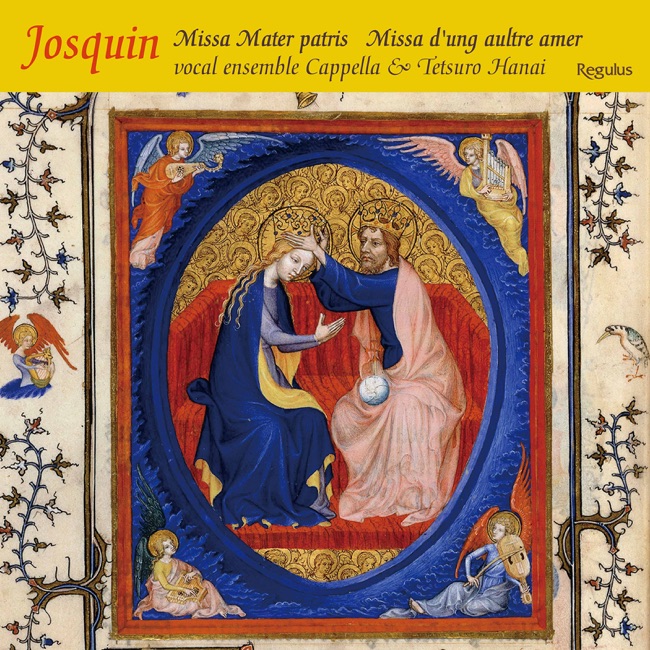
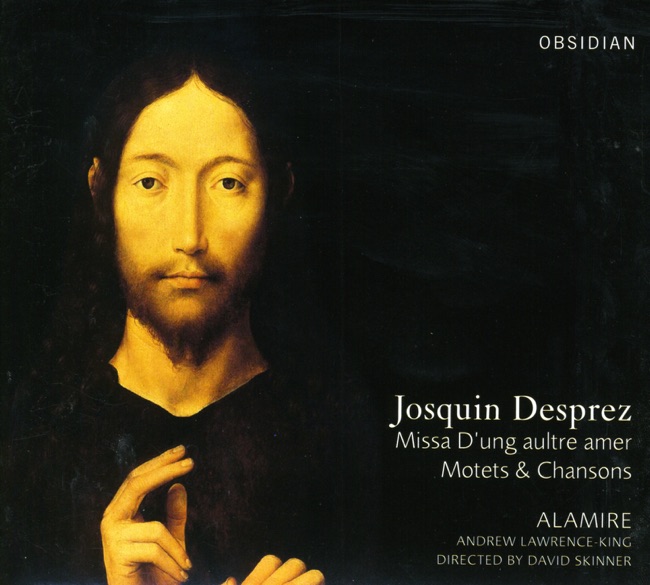
Works Info
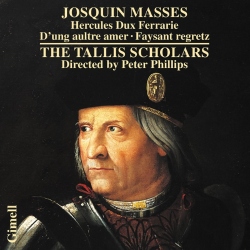
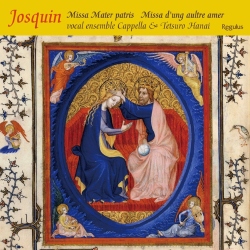
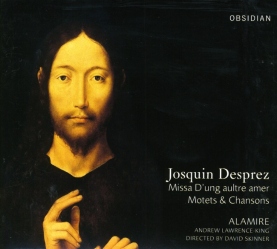
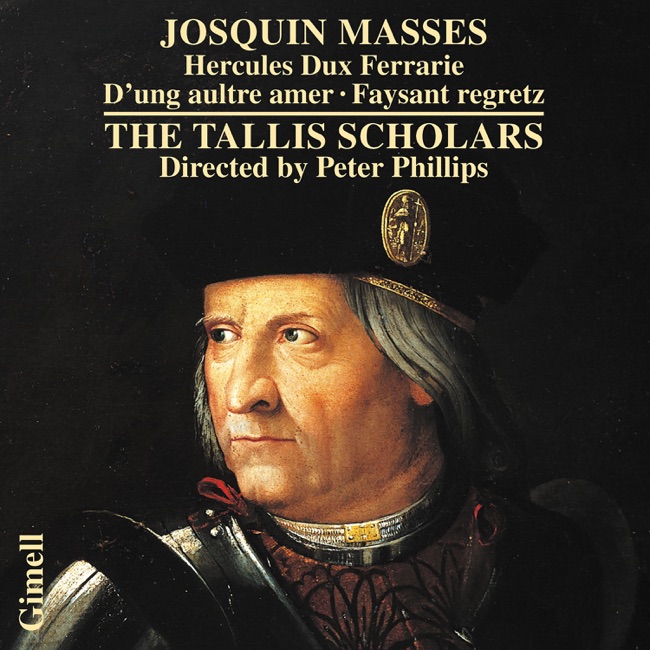
Composer:Josquin Des PrezGenre:ChoralStyle:MassCompose Date:ca. 1480Average_duration:13:41Josquin Des Prez was a renowned composer of the Renaissance period, and his 'Missa D'ung aultre amer' is one of his most famous works. This mass was composed in the late 15th century, and it is believed to have been premiered in the early 16th century. The mass is based on a chanson by the same name, which was composed by the French poet and composer, Antoine Busnois. The 'Missa D'ung aultre amer' is a four-movement mass, consisting of the Kyrie, Gloria, Credo, and Sanctus/Benedictus. The mass is written for four voices, with the soprano, alto, tenor, and bass parts all having equal importance. The mass is characterized by its use of imitation, where one voice will sing a melody, and then another voice will repeat it, creating a sense of unity and harmony. The Kyrie is a solemn and introspective movement, with the voices singing in a homophonic style. The Gloria is a joyful and celebratory movement, with the voices singing in a polyphonic style. The Credo is a complex movement, with the voices singing in a mixture of homophonic and polyphonic styles. The Sanctus/Benedictus is a peaceful and contemplative movement, with the voices singing in a homophonic style. One of the most notable characteristics of the 'Missa D'ung aultre amer' is its use of word painting. Word painting is a technique where the music reflects the meaning of the words being sung. For example, in the Gloria, the word "Gloria" is sung in a high and joyful melody, reflecting the exaltation of the word. Overall, the 'Missa D'ung aultre amer' is a masterpiece of Renaissance music, showcasing Josquin Des Prez's skill as a composer. Its use of imitation, polyphony, and word painting make it a timeless work of art that continues to be performed and admired to this day.More....