


Georg Philipp Telemann
Concerto for 2 oboes, bassoon, strings & continuo in G minor, TWV 53:g1
Released Album
Recent Album
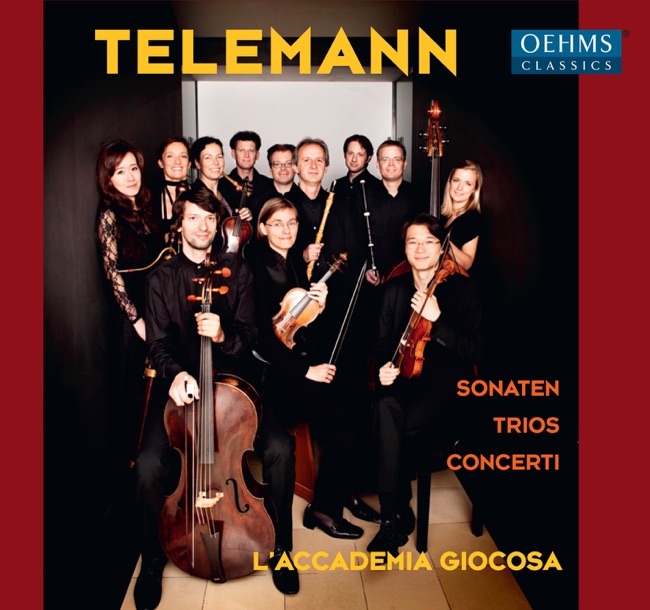
Featured Album
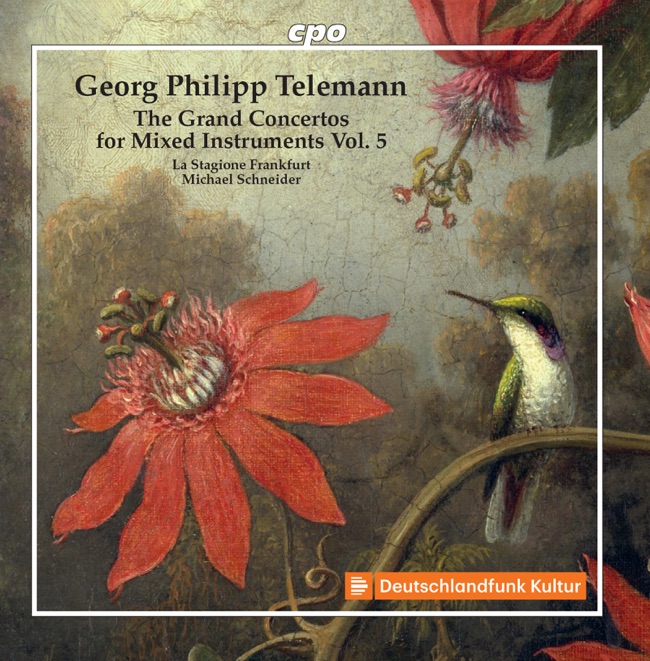
Works Info
Composer:Georg Philipp TelemannGenre:ConcertoAverage_duration:16:07Movement_count:4Movement ....Georg Philipp Telemann's Concerto for 2 oboes, bassoon, strings & continuo in G minor, TWV 53:g1, was composed in the early 18th century. The exact date of composition is unknown, but it is believed to have been written between 1716 and 1721. The concerto was premiered in Leipzig, Germany, where Telemann was the director of music for the city's five main churches. The concerto consists of three movements: Largo, Allegro, and Andante. The first movement, Largo, is a slow and mournful introduction that sets the tone for the rest of the piece. The second movement, Allegro, is a lively and energetic section that showcases the virtuosity of the oboes and bassoon. The final movement, Andante, is a slower and more contemplative section that brings the concerto to a peaceful conclusion. One of the most notable characteristics of this concerto is its use of counterpoint. Telemann was a master of counterpoint, and he uses it extensively throughout the piece to create intricate and complex harmonies. The oboes and bassoon are often playing different melodies at the same time, creating a rich and layered sound. Another characteristic of the concerto is its use of ornamentation. Telemann was known for his elaborate ornamentation, and he uses it liberally in this piece. The oboes and bassoon are often embellishing their melodies with trills, turns, and other decorative flourishes. Overall, Telemann's Concerto for 2 oboes, bassoon, strings & continuo in G minor, TWV 53:g1, is a masterful example of Baroque music. Its intricate counterpoint, elaborate ornamentation, and virtuosic performances make it a challenging and rewarding piece for both performers and listeners alike.More....
Works Music
Released Music
Featured Music
1
2:56
2
2:4
3
4:26
4
4:54
5
2:11