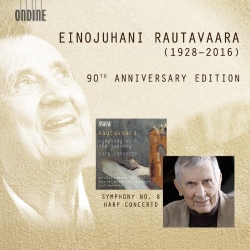
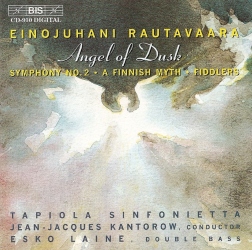
Einojuhani Rautavaara
A Finnish Myth
Released Album
Recent Album
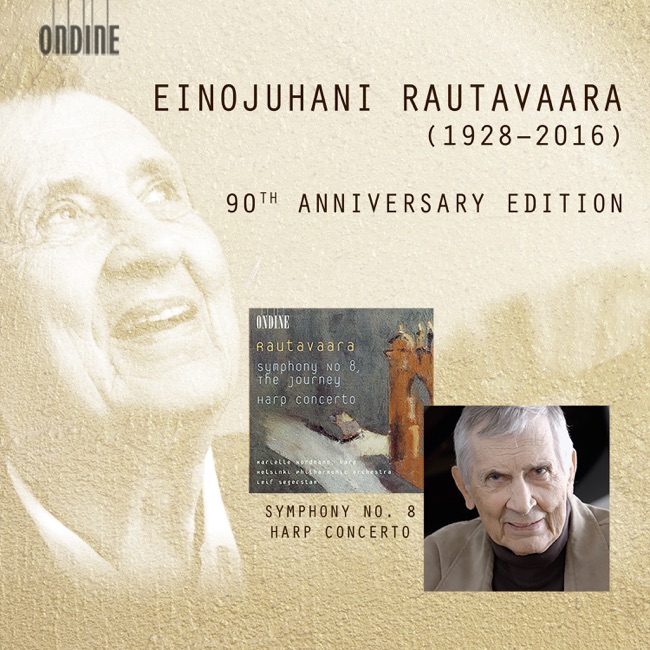
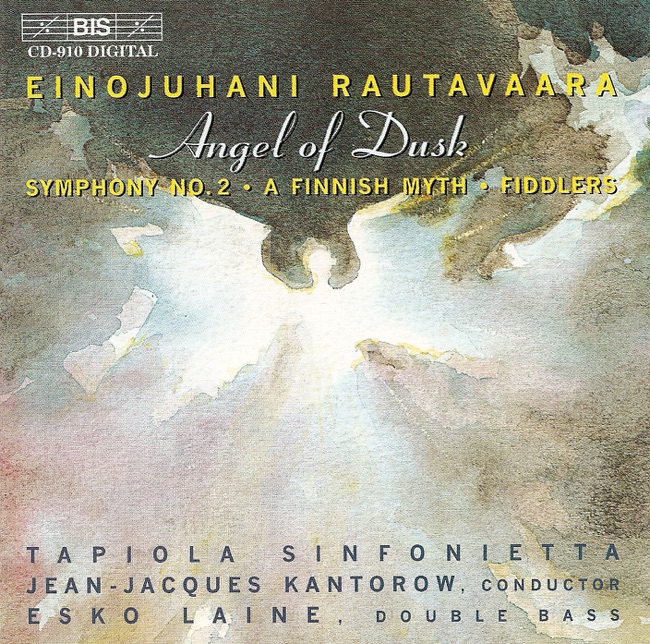
Works Info
Composer:Einojuhani RautavaaraGenre:OrchestralStyle:OrchestralCompose Date:1977First Performance:Apr 29, 1978Average_duration:6:21A Finnish Myth is a symphonic poem composed by Einojuhani Rautavaara in 1978. It was premiered on November 16, 1978, by the Helsinki Philharmonic Orchestra, conducted by Paavo Berglund. The piece is divided into three movements and has a total duration of approximately 25 minutes. The first movement, titled "The Forging of the Sampo," is based on a Finnish myth about the creation of a magical artifact called the Sampo. The music begins with a slow, mysterious introduction that gradually builds in intensity as the forging process begins. The main theme is introduced by the horns and is characterized by its rhythmic drive and use of ostinato patterns. The music becomes increasingly frenzied as the Sampo is completed, culminating in a powerful climax. The second movement, "The Capture of the Sampo," is more subdued and introspective. It begins with a haunting melody played by the solo clarinet, accompanied by delicate strings. The music gradually builds in intensity as the heroes of the story set out to capture the Sampo from its guardians. The music becomes more dissonant and chaotic as the battle ensues, but ultimately ends in victory for the heroes. The final movement, "The Return of the Sampo," is the most triumphant of the three. It begins with a majestic fanfare played by the brass, followed by a lively dance-like theme played by the strings. The music is characterized by its use of folk-like melodies and rhythms, as well as its colorful orchestration. The piece ends with a grandiose coda that brings the work to a thrilling conclusion. Overall, A Finnish Myth is a powerful and evocative work that showcases Rautavaara's skill as a composer. The piece is notable for its use of Finnish folk music and mythology, as well as its rich and colorful orchestration. It has become a staple of the Finnish orchestral repertoire and is widely regarded as one of Rautavaara's most important works.More....