Gregorian Chant
Vinea mea electa
Released Album
Recent Album
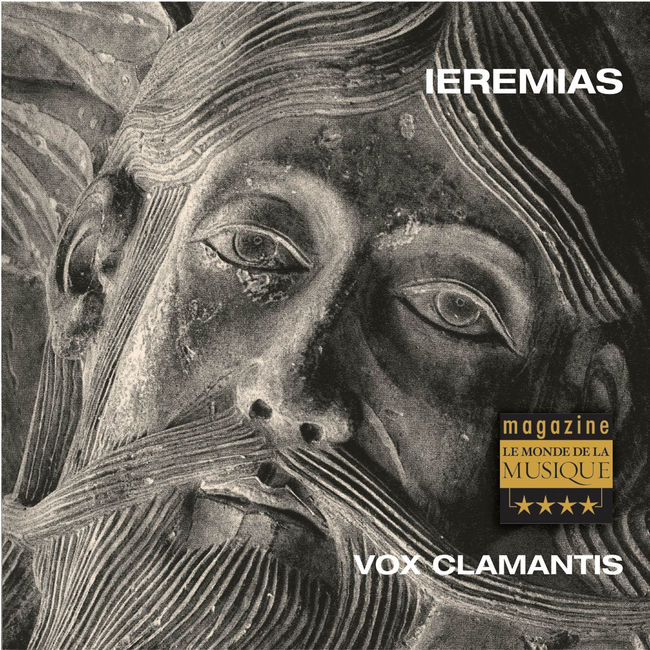
Featured Album
Works Info
Composer:Gregorian ChantGenre:ChoralStyle:ChoralAverage_duration:3:00Vinea mea electa is a Gregorian chant that was composed in the 8th century. It is a part of the liturgy of the Catholic Church and is sung during the Mass on the Feast of the Assumption of the Blessed Virgin Mary. The chant is based on the text of the Song of Solomon, chapter 8, verse 11-12, which speaks of a vineyard that is carefully tended and produces abundant fruit. The premiere of Vinea mea electa is not known, as it has been a part of the Catholic liturgy for centuries. However, it is believed to have been composed in the early Middle Ages, during the time when Gregorian chant was being developed and codified. The chant is divided into two movements, with the first movement being sung by a soloist or a small group of singers, and the second movement being sung by the entire choir. The first movement is a solo chant that begins with the words "Vinea mea electa," which means "My chosen vineyard." The soloist sings the text in a simple, unadorned melody that is meant to convey the seriousness and solemnity of the text. The second movement is a choral response that begins with the words "Ego dixi," which means "I have said." The choir responds to the soloist's chant with a more complex melody that is meant to convey the joy and abundance of the vineyard. The melody is characterized by its use of melismatic passages, in which multiple notes are sung on a single syllable, and its use of a descending melodic line that is meant to evoke the image of grapes falling from the vine. Overall, Vinea mea electa is a beautiful and powerful example of Gregorian chant. Its simple yet profound text and its rich and complex melody make it a beloved part of the Catholic liturgy and a testament to the enduring power of this ancient musical tradition.More....