Gregorian Chant
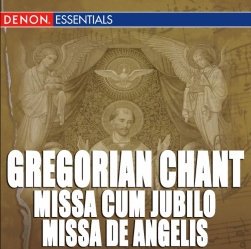
Missa cum jubilo
Released Album
Recent Album
-
-
-
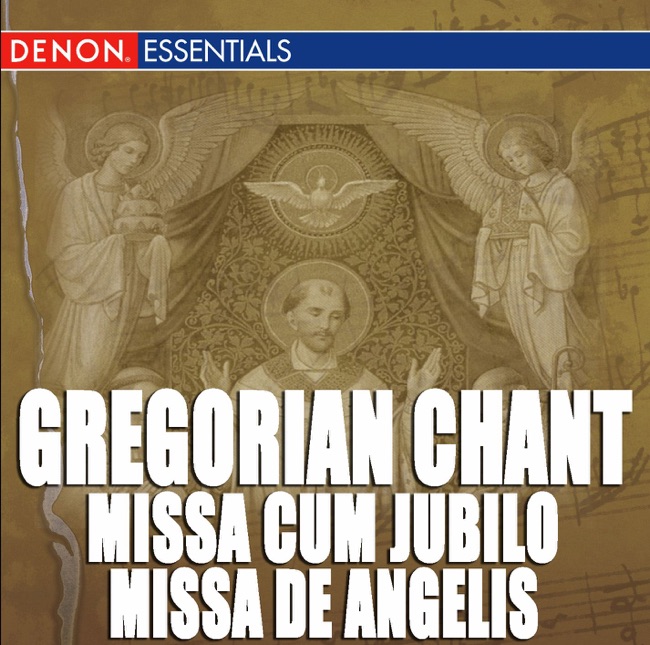 Various ArtistsJuly 1, 2009
 -
-
Works Info
Composer:Gregorian ChantGenre:ChoralStyle:ChantAverage_duration:6:23Missa cum jubilo is a Gregorian chant mass that is believed to have been composed in the 14th century. The mass is known for its jubilant and celebratory character, which is reflected in its title, which translates to "Mass with rejoicing." The mass is typically performed on festive occasions, such as Christmas, Easter, and other important feasts in the liturgical calendar. The Missa cum jubilo is divided into six movements, which follow the traditional structure of the mass. The first movement is the Kyrie, which is a plea for mercy and forgiveness. The second movement is the Gloria, which is a hymn of praise and thanksgiving. The third movement is the Credo, which is a statement of faith and belief. The fourth movement is the Sanctus, which is a hymn of praise and adoration. The fifth movement is the Agnus Dei, which is a prayer for mercy and peace. The final movement is the Ite, missa est, which is a dismissal of the congregation. The Missa cum jubilo is characterized by its use of melismatic singing, which involves singing multiple notes on a single syllable. This technique is used to emphasize certain words or phrases in the text, and to create a sense of joy and celebration. The mass also features a variety of vocal textures, including solo and choral singing, and a range of dynamic contrasts, from soft and gentle to loud and powerful. Overall, the Missa cum jubilo is a beautiful and uplifting work of sacred music that has been cherished by generations of worshippers. Its joyful character and timeless beauty continue to inspire and uplift listeners today, making it a beloved masterpiece of the Gregorian chant tradition.More....