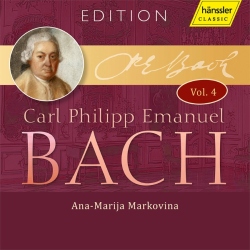
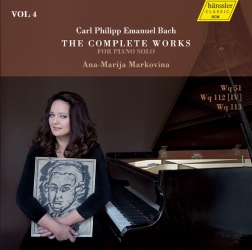
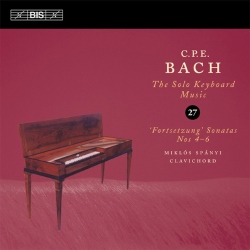
Carl Philipp Emanuel Bach
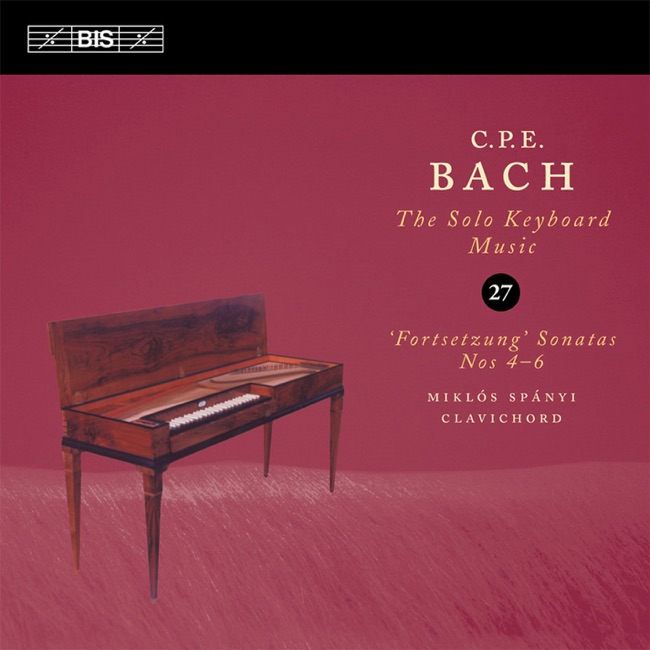
Sonata for keyboard in G major (Forsetzung No. 6), H. 62, Wq. 51/6
Released Album
Recent Album
Works Info
Composer:Carl Philipp Emanuel BachGenre:KeyboardCompose Date:1750Publication Date:1761Average_duration:13:31Movement_count:3Movement ....Carl Philipp Emanuel Bach's Sonata for keyboard in G major (Forsetzung No. 6), H. 62, Wq. 51/6 was composed in 1765. It premiered in Hamburg, Germany, where Bach was working as the music director for the city's five main churches. The sonata is comprised of three movements: Allegro di molto, Adagio, and Allegro. The first movement, Allegro di molto, is characterized by its lively and energetic tempo. It begins with a simple and catchy melody that is repeated throughout the movement. The melody is then developed and expanded upon, with Bach incorporating various musical techniques such as arpeggios and trills. The movement ends with a brief coda that brings the piece to a satisfying close. The second movement, Adagio, is a stark contrast to the first. It is slow and contemplative, with a melancholic melody that is played in the right hand while the left hand provides a simple accompaniment. The movement is notable for its use of dissonance, which creates a sense of tension and unease. However, the tension is ultimately resolved in the final bars of the movement, which end on a peaceful and serene note. The final movement, Allegro, returns to the lively and energetic tempo of the first. It is characterized by its use of syncopation, which gives the movement a sense of unpredictability and excitement. The melody is once again developed and expanded upon, with Bach incorporating various musical techniques such as rapid scale runs and intricate ornamentation. The movement ends with a virtuosic flourish, showcasing the performer's technical skill. Overall, Bach's Sonata for keyboard in G major (Forsetzung No. 6), H. 62, Wq. 51/6 is a prime example of the composer's unique style. It combines elements of the Baroque and Classical periods, with its use of ornamentation and complex harmonies, while also looking forward to the Romantic period with its emphasis on emotion and expression. The sonata is a challenging and rewarding piece for performers and a delight for listeners.More....
Works Music
Released Music