


George Frederick Handel
Fugue for keyboard in B minor, HWV 608
Released Album
Recent Album






Works Info
Composer:George Frederick HandelGenre:KeyboardStyle:FugueCompose Date:ca. 1711 - 1718Average_duration:4:50George Frederick Handel's Fugue for keyboard in B minor, HWV 608, was composed in the early 18th century. The exact date of composition is unknown, but it is believed to have been written sometime between 1703 and 1710. The piece was first premiered in London, England, and was likely performed by Handel himself. The Fugue for keyboard in B minor, HWV 608, is a single-movement work that is characterized by its intricate counterpoint and complex harmonies. The piece is written in the key of B minor, which gives it a dark and somber quality. The fugue is structured around a single theme that is introduced at the beginning of the piece and then developed throughout. The piece is divided into three main sections: the exposition, the development, and the recapitulation. In the exposition, the theme is introduced in the bass voice and then imitated by the other voices. The development section features a series of episodes that explore different harmonic and contrapuntal possibilities. The recapitulation brings the piece full circle, with the theme returning in the original key and with all voices participating. One of the most notable characteristics of Handel's Fugue for keyboard in B minor, HWV 608, is its use of chromaticism. The piece features a number of chromatic passages that add tension and complexity to the music. Handel also makes use of a number of different contrapuntal techniques, including inversion, augmentation, and diminution. Overall, Handel's Fugue for keyboard in B minor, HWV 608, is a masterful example of Baroque keyboard music. Its intricate counterpoint, complex harmonies, and use of chromaticism make it a challenging and rewarding piece for performers and listeners alike.More....
Works Music
Released Music
1

4:59
2
3:22
3

4:23




8
3:38
9
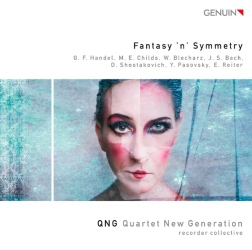
Fugue for keyboard in B minor, HWV 608
Fugue No. 4 in B minor, HWV 608 (from 6 Fugues, Op. 3)
5:33
10

5:16