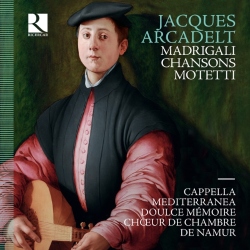
Jacques Arcadelt
Pater noster, S. 10/16
Released Album
Recent Album
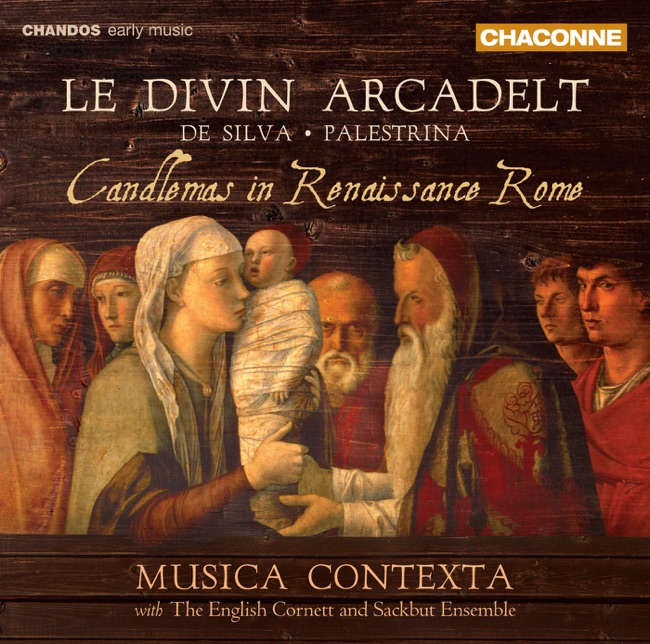
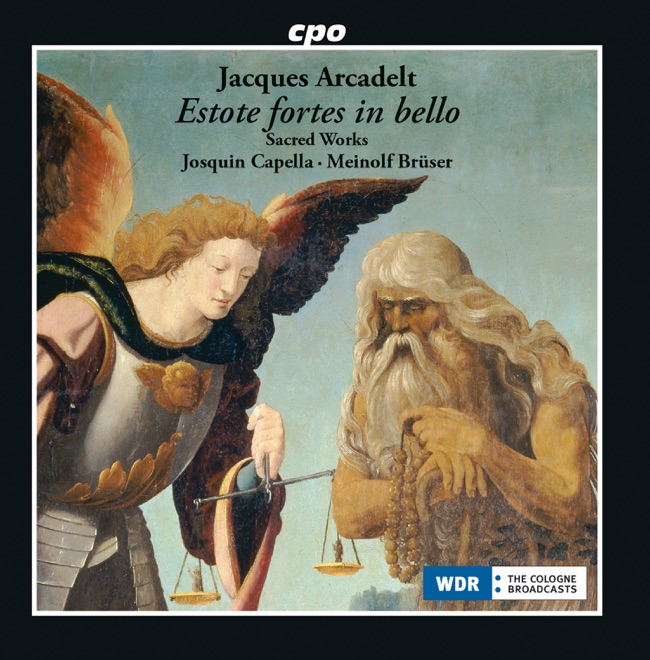
Featured Album
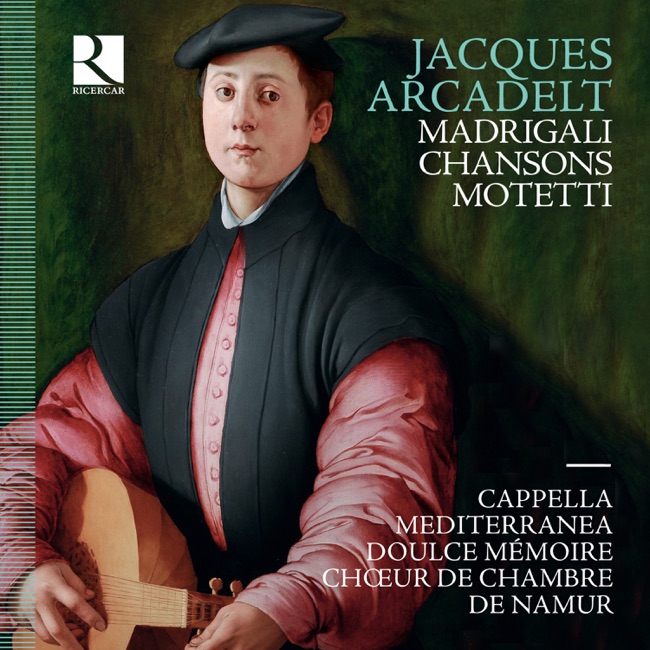
Works Info
Composer:Jacques ArcadeltGenre:ChoralCompose Date:1545Publication Date:1545Average_duration:5:24Jacques Arcadelt's 'Pater noster, S. 10/16' is a sacred choral work that was composed during the Renaissance period. The piece was written in the 16th century, and it premiered in Italy. The composition is a setting of the Lord's Prayer, which is a central prayer in Christianity. 'Pater noster, S. 10/16' is a four-part choral work that is divided into three movements. The first movement is a homophonic setting of the prayer, with all four voices singing in unison. The second movement is a polyphonic setting, with each voice singing a different melody. The third movement is a return to the homophonic setting of the prayer, with all four voices singing in unison once again. The characteristics of 'Pater noster, S. 10/16' reflect the style of Renaissance music. The piece is characterized by its use of polyphony, which is a technique that involves multiple voices singing different melodies at the same time. The composition also features a clear and simple melody, which is typical of Renaissance music. The use of homophonic and polyphonic textures in the piece creates a sense of depth and complexity, while the use of repetition and imitation creates a sense of unity and coherence. Overall, 'Pater noster, S. 10/16' is a beautiful and timeless piece of sacred choral music that reflects the style and spirit of the Renaissance period. Its simple yet powerful melody and use of polyphony make it a classic example of Renaissance music, and its setting of the Lord's Prayer makes it a meaningful and inspiring work of religious art.More....
Works Music
Released Music
Featured Music