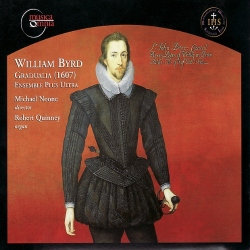
William Byrd
O quam suavis est
Released Album
Recent Album
Works Info
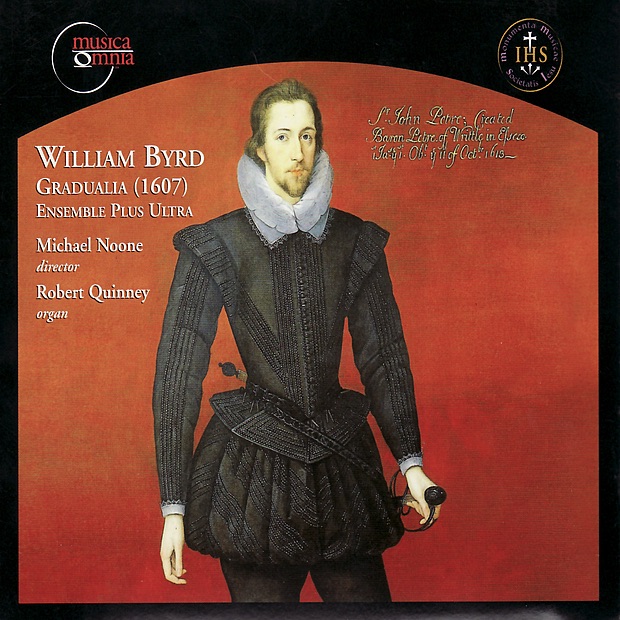
Composer:William ByrdGenre:ChoralStyle:MotetAverage_duration:4:40"O quam suavis est" is a sacred motet composed by William Byrd, an English composer of the Renaissance era. The piece was composed in the late 16th century, around 1591, during the reign of Queen Elizabeth I. It was first performed in the Chapel Royal, London, and was later published in Byrd's collection of Gradualia in 1605. The motet is written for four voices, with the text taken from Psalm 33:8-9. The piece is divided into two sections, with the first section being a homophonic setting of the text, and the second section being a more complex polyphonic setting. The piece is characterized by its rich harmonies, expressive melodies, and intricate counterpoint. The first section of the motet begins with a simple homophonic setting of the text, with all four voices singing in unison. The melody is characterized by its smooth, flowing lines and gentle rhythms, which create a sense of calm and serenity. As the section progresses, the voices begin to diverge, with each voice singing a slightly different melody. This creates a sense of tension and complexity, which is resolved in the second section of the motet. The second section of the motet is characterized by its intricate polyphony, with each voice singing a different melody at the same time. The harmonies are rich and complex, with dissonances and suspensions adding to the sense of tension and drama. The melody is characterized by its expressive leaps and turns, which create a sense of movement and energy. Overall, "O quam suavis est" is a beautiful and expressive motet that showcases Byrd's mastery of polyphonic composition. Its rich harmonies, expressive melodies, and intricate counterpoint make it a masterpiece of the Renaissance era, and it continues to be performed and admired by musicians and audiences alike.More....
Works Music
Released Music