Christoph Ernst Friedrich Weyse
Natten er sa stille
Released Album
Recent Album


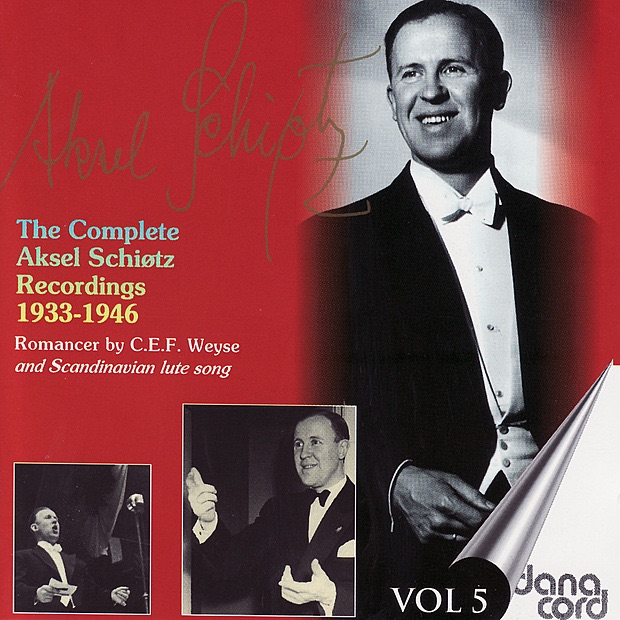
Featured Album
Works Info
Composer:Christoph Ernst Friedrich WeyseGenre:VocalStyle:SongAverage_duration:1:32Christoph Ernst Friedrich Weyse was a Danish composer who lived from 1774 to 1842. He was one of the most important composers of his time in Denmark, and his music was widely performed and admired. One of his most famous works is the song cycle "Natten er sa stille" (The Night is So Still), which was composed in 1814. The premiere of "Natten er sa stille" took place in Copenhagen in 1814, and it was an immediate success. The song cycle consists of six movements, each of which is a setting of a poem by the Danish poet Jens Baggesen. The poems are all about the beauty and tranquility of the night, and Weyse's music captures this mood perfectly. The first movement, "Natten er sa stille," is a gentle and peaceful setting of Baggesen's poem about the stillness of the night. The second movement, "Sov, min lille ven," is a lullaby that is sung to a child, and it has a simple and soothing melody. The third movement, "Smaa fugle," is a playful and lively setting of a poem about the birds that sing in the night. The fourth movement, "Sov, du lille," is another lullaby, but this one is more melancholy and introspective. The fifth movement, "Stjernerne titte," is a beautiful and ethereal setting of a poem about the stars that shine in the night sky. The final movement, "Sov, min lille," is a reprise of the second movement, and it brings the cycle to a peaceful and satisfying conclusion. The music of "Natten er sa stille" is characterized by its simplicity and elegance. Weyse's melodies are lyrical and expressive, and his harmonies are subtle and understated. The piano accompaniment is delicate and supportive, and it never overwhelms the voice. The overall effect is one of serenity and beauty, and it is easy to see why this song cycle has remained popular for over two centuries. In conclusion, "Natten er sa stille" is a masterpiece of Danish music, and it is a testament to the talent and skill of Christoph Ernst Friedrich Weyse. Its premiere in 1814 was a significant event in Danish cultural history, and its enduring popularity is a testament to its timeless beauty and elegance.More....