John Hingeston
Allemande for 3 bass viols in G major (VdGS No. 4)
Released Album
Recent Album
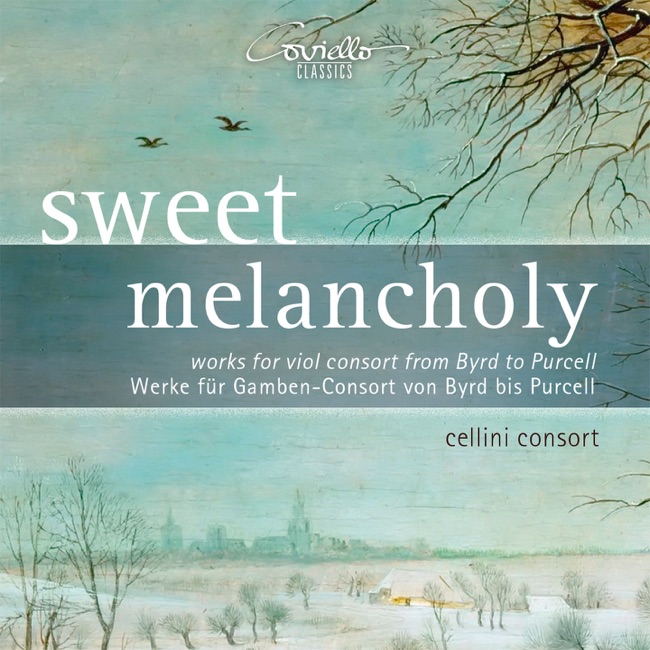

Works Info
Composer:John HingestonGenre:ChamberAverage_duration:2:20The 'Allemande for 3 bass viols in G major (VdGS No. 4)' is a composition by John Hingeston, a British composer and viol player who lived in the 17th century. The piece was composed in the early 1600s and was likely written for performance in a chamber music setting. The 'Allemande' is a dance form that originated in Germany in the 16th century and was popular throughout Europe in the Baroque era. It is characterized by a moderate tempo and a binary structure, with two sections that are each repeated. The 'Allemande for 3 bass viols in G major' follows this structure, with a lively and rhythmic first section followed by a more lyrical and melodic second section. The piece is scored for three bass viols, which were popular instruments in the Baroque era. The bass viol, also known as the viola da gamba, is a stringed instrument that is played with a bow. It has a warm and rich tone that is well-suited to the contrapuntal textures of Baroque music. The 'Allemande for 3 bass viols in G major' is one of several works by Hingeston that have survived to the present day. His music is notable for its contrapuntal complexity and its use of chromaticism, which was a relatively new technique in the early 17th century. Hingeston's music is also notable for its use of dissonance, which was a controversial technique at the time. The 'Allemande for 3 bass viols in G major' was likely premiered in a private chamber music setting, as was common for Baroque music. It has since been performed and recorded by numerous ensembles and soloists, and remains a popular work in the Baroque repertoire.More....
Works Music
Released Music