


John Hingeston
Released Album
Chamber
-
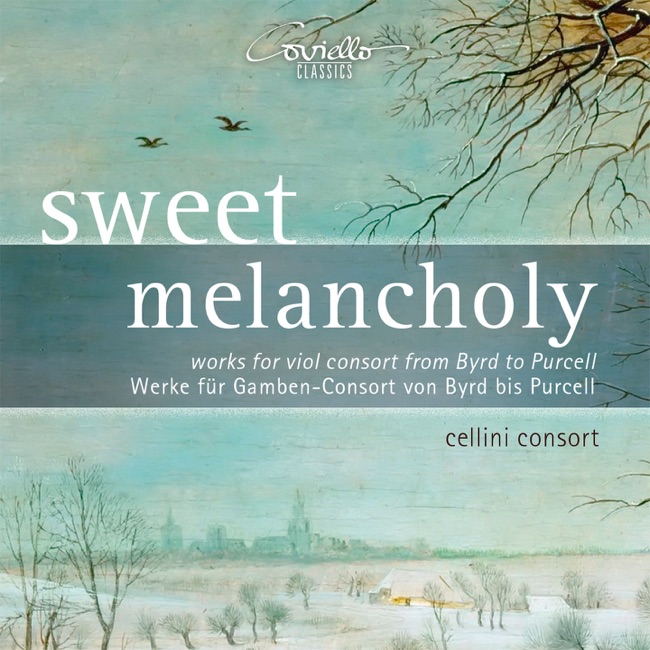
-
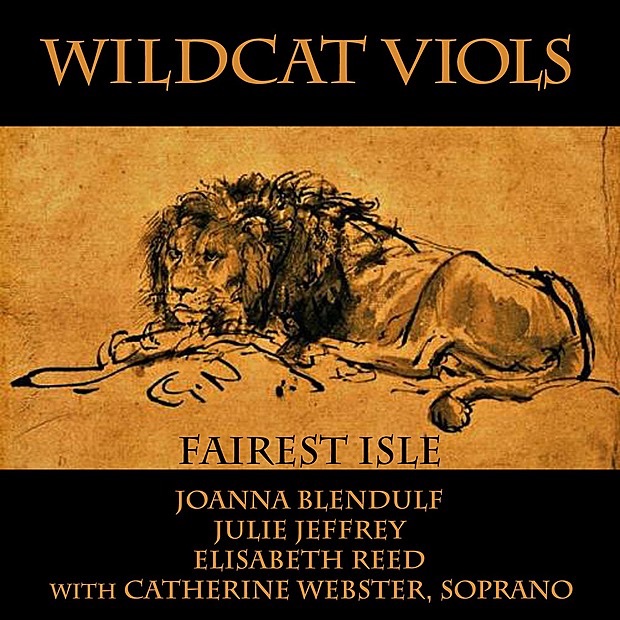 2011
2011 -
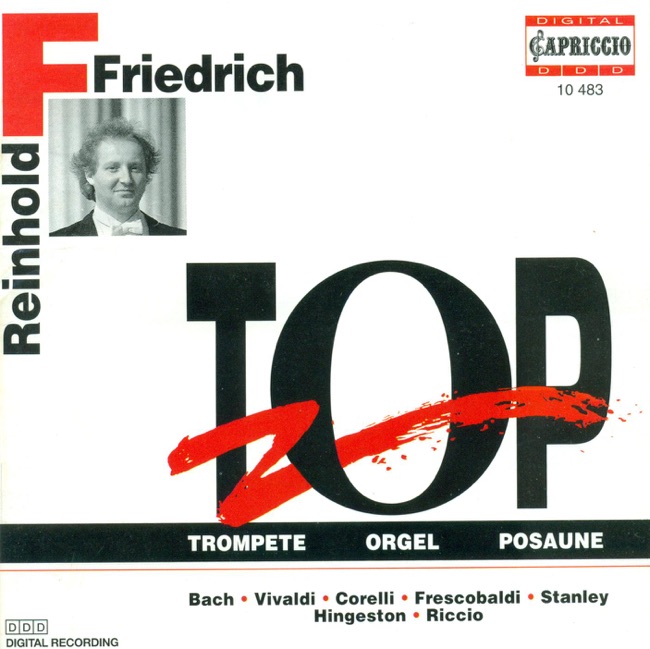 April 16, 1995
Artist Info
Role:ComposerCountry: United KingdomBirth:ca. 1606Death:December 17, 1688Period:BaroqueGenre:ChamberOrchestralJohn Hingeston was a renowned classical music composer who lived during the 19th century. He was born on May 12, 1827, in London, England, to a family of musicians. His father was a violinist, and his mother was a pianist. From a young age, Hingeston showed a keen interest in music and began learning the piano and violin. Hingeston's parents recognized his talent and encouraged him to pursue a career in music. He received his formal education at the Royal Academy of Music in London, where he studied composition under the tutelage of some of the most prominent composers of the time. Hingeston was a gifted student and quickly gained recognition for his exceptional talent. After completing his studies, Hingeston began his career as a composer. He composed music in various genres, including orchestral, chamber, and vocal music. His compositions were well-received by audiences and critics alike, and he quickly gained a reputation as one of the most promising young composers of his time. One of Hingeston's early works was his Symphony No. 1 in C minor, which he composed when he was just 22 years old. The symphony was well-received and established Hingeston as a composer to watch. He went on to compose several other symphonies, including his Symphony No. 2 in D major, which was premiered in 1852. In addition to his symphonies, Hingeston also composed several chamber works, including string quartets and piano trios. His String Quartet No. 1 in G minor was particularly well-received and is still performed today. Hingeston's chamber works were known for their intricate harmonies and complex rhythms, which showcased his exceptional compositional skills. Hingeston also composed several vocal works, including operas, cantatas, and choral works. His opera, The Tempest, was premiered in 1860 and was based on Shakespeare's play of the same name. The opera was well-received and established Hingeston as a composer of operatic works. He went on to compose several other operas, including The Merchant of Venice and Romeo and Juliet. Hingeston's choral works were also highly regarded and included several large-scale works, such as his Requiem Mass and his oratorio, The Creation. His choral works were known for their grandeur and emotional depth, and they showcased Hingeston's exceptional ability to write for large ensembles. Throughout his career, Hingeston continued to compose music and was highly regarded by his contemporaries. He was known for his exceptional compositional skills and his ability to write music in a variety of genres. His music was characterized by its intricate harmonies, complex rhythms, and emotional depth, and it continues to be performed and admired today. Hingeston died on June 15, 1896, at the age of 69. He left behind a legacy of exceptional music and is remembered as one of the most important composers of the 19th century. His music continues to be performed and admired by musicians and audiences around the world, and his contributions to the world of classical music will always be remembered.More....
Recent Artist Music
1
1:48
2

2:20

Copyright Ⓒ 2013 Davinci Finger. All rights reseved
Service Terms & Policy