


Antonio Vivaldi
Oboe Concerto in F major, RV 456
Released Album
Recent Album
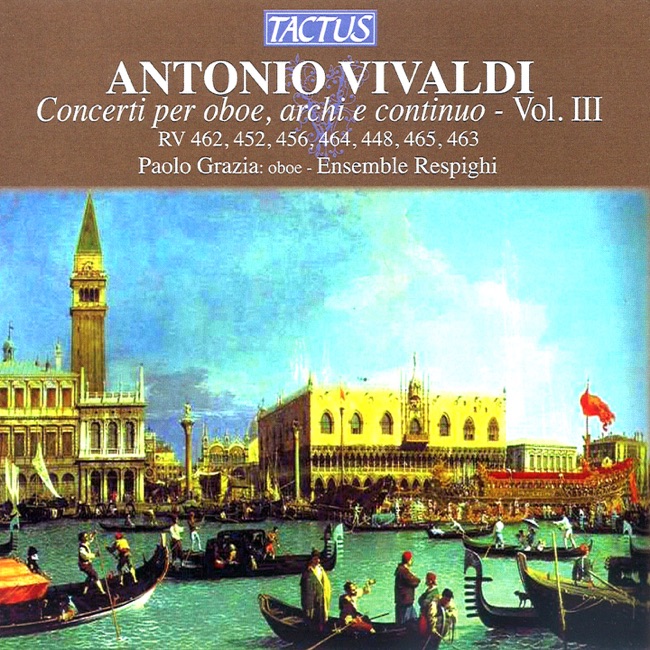
Works Info
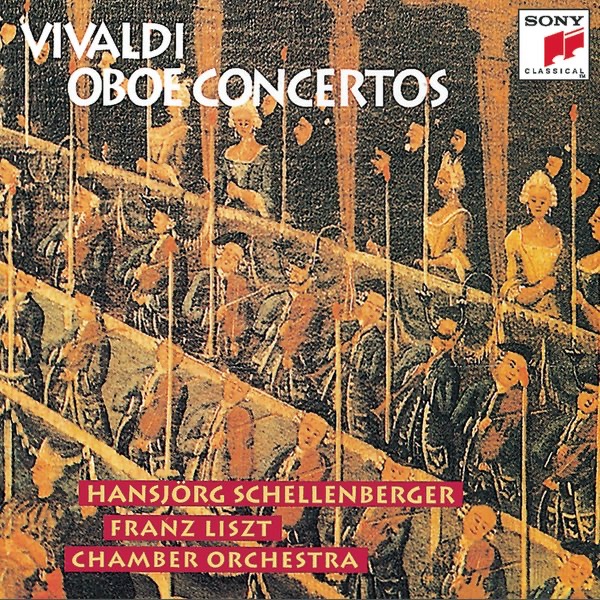
Composer:Antonio VivaldiGenre:ConcertoStyle:ConcertoCompose Date:1728Average_duration:7:47Movement_count:3Movement ....Antonio Vivaldi's Oboe Concerto in F major, RV 456, is a beautiful and virtuosic work for solo oboe and orchestra. It was composed in the early 18th century, during Vivaldi's tenure as music director at the Ospedale della Pietà in Venice. The concerto is believed to have been written around 1715-1720, and was likely premiered at the Ospedale, where Vivaldi frequently performed his works. The concerto is in three movements, typical of the Baroque concerto form. The first movement is marked Allegro, and features a lively and energetic theme that is passed between the solo oboe and the orchestra. The second movement is marked Largo, and is a beautiful and lyrical aria for the oboe, accompanied by a simple and elegant string orchestra. The final movement is marked Allegro, and is a fast and virtuosic dance-like movement that showcases the technical abilities of the soloist. One of the most notable characteristics of Vivaldi's Oboe Concerto in F major is its use of the oboe as a solo instrument. At the time, the oboe was still a relatively new instrument, and was not yet widely used as a solo instrument in concertos. Vivaldi's concerto helped to establish the oboe as a solo instrument, and paved the way for future composers to write for the instrument. Another characteristic of the concerto is its use of the ritornello form. In this form, a recurring theme is played by the orchestra, and is interspersed with solo passages for the oboe. This form was a common feature of Baroque concertos, and Vivaldi was a master of it. The use of the ritornello form in the concerto helps to create a sense of unity and coherence throughout the work. Overall, Vivaldi's Oboe Concerto in F major, RV 456, is a beautiful and virtuosic work that showcases the technical abilities of the oboe as a solo instrument. Its use of the ritornello form and its lyrical melodies make it a quintessential example of the Baroque concerto form.More....
Works Music
Released Music
Main Perform Artists