Guillaume Dufay
Ave virgo que de celis
Released Album
Recent Album
Works Info
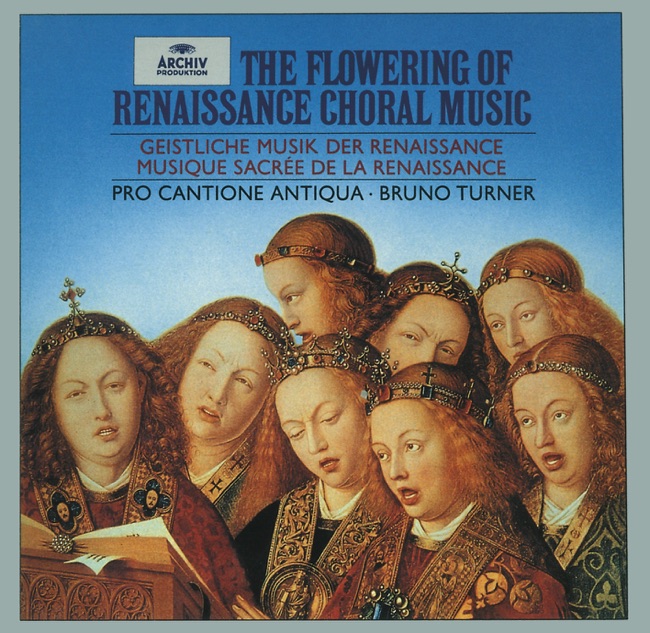
Composer:Guillaume DufayGenre:ChoralStyle:MotetCompose Date:ca. 1440Average_duration:4:32Guillaume Dufay was a prominent composer of the early Renaissance period, known for his innovative and expressive compositions. One of his most famous works is the motet "Ave virgo que de celis," which was composed in the mid-15th century. The motet is written in four parts and is based on a text that praises the Virgin Mary. It is believed that Dufay composed the piece for the Feast of the Annunciation, which is celebrated on March 25th. The motet was likely first performed in the chapel of the papal court in Rome, where Dufay was employed as a singer and composer. The motet is divided into three movements, each with its own distinct character. The first movement is a lively and joyful celebration of the Virgin Mary, with the voices weaving in and out of each other in intricate counterpoint. The second movement is more contemplative, with a slower tempo and a more somber mood. The voices are more homophonic in this section, with the melody moving in unison and the harmonies more subdued. The final movement returns to the joyful mood of the first, with the voices once again interweaving in complex counterpoint. The piece ends with a triumphant flourish, as the voices come together in a final chord. One of the most striking characteristics of "Ave virgo que de celis" is its use of dissonance. Dufay was known for his innovative harmonies, and this motet is no exception. The piece is full of unexpected chord progressions and unresolved dissonances, which give it a sense of tension and urgency. Overall, "Ave virgo que de celis" is a masterpiece of Renaissance choral music. Its intricate counterpoint, innovative harmonies, and expressive text make it a timeless work of art that continues to inspire and delight listeners today.More....
Works Music
Released Music