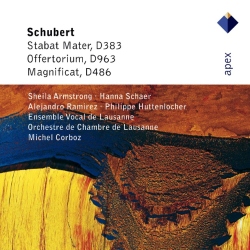
Franz Schubert
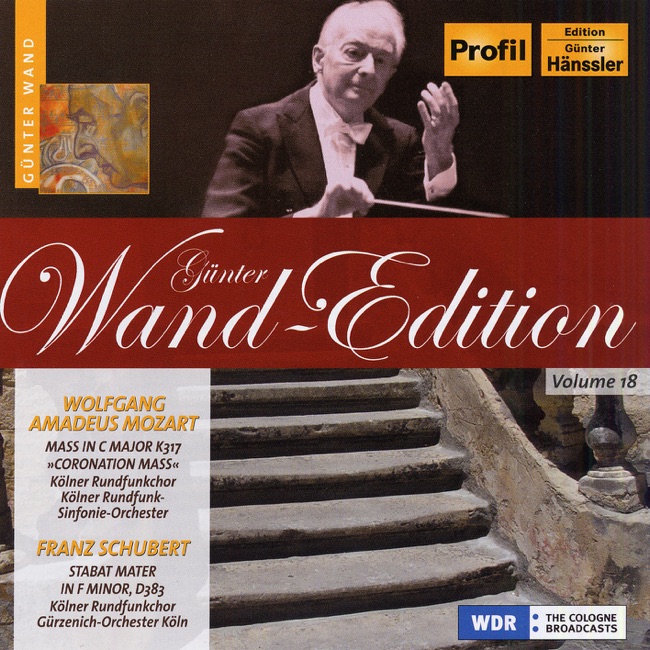
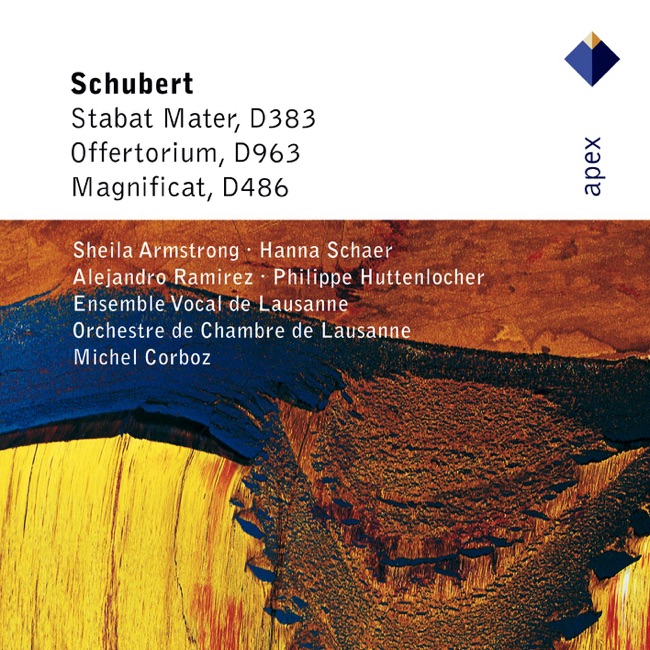
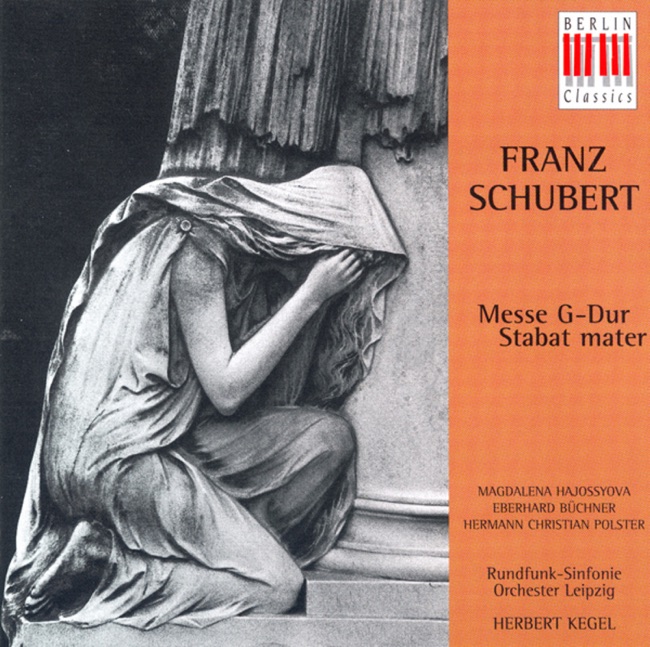
Stabat Mater in F minor, D. 383
Released Album
Recent Album
-
-

-
 RAI Orchestra of MilanSeptember 6, 2019
 -
-
-
-
-
-
Works Info
Composer:Franz SchubertGenre:ChoralStyle:OratorioCompose Date:Feb 28, 1816Average_duration:38:57Movement_count:12Movement ....Franz Schubert's Stabat Mater in F minor, D. 383, is a choral work composed in 1816. The piece was premiered in Vienna in 1832, sixteen years after its composition. The Stabat Mater is a hymn that reflects on the suffering of Mary, the mother of Jesus, as she stands at the foot of the cross. Schubert's setting of the text is divided into ten movements, each of which explores a different aspect of Mary's grief. The first movement, "Stabat Mater dolorosa," sets the tone for the entire work with its mournful melody and somber harmonies. The second movement, "Cuius animam gementem," features a solo soprano singing a plaintive melody over a simple accompaniment. The third movement, "Quis est homo," is a duet for soprano and tenor that expresses the sorrow of Mary as she watches her son die. The fourth movement, "Eia, Mater, fons amoris," is a lively and joyful piece that contrasts with the previous movements. The fifth movement, "Fac, ut ardeat cor meum," is a prayer for the fire of love to burn within the singer's heart. The sixth movement, "Tui nati vulnerati," returns to the theme of Mary's grief, with a solo tenor singing a mournful melody. The seventh movement, "Fac me vere tecum flere," is a duet for soprano and alto that expresses the desire to weep with Mary at the foot of the cross. The eighth movement, "Virgo virginum praeclara," is a hymn of praise to Mary, the most glorious of all virgins. The ninth movement, "Fac, ut portem Christi mortem," is a prayer for the strength to bear the burden of Christ's death. The final movement, "Inflammatus et accensus," is a triumphant hymn that celebrates the resurrection of Christ. The piece ends with a reprise of the opening movement, "Stabat Mater dolorosa," bringing the work full circle. Schubert's Stabat Mater is characterized by its expressive melodies, rich harmonies, and sensitive treatment of the text. The composer's use of solo voices, duets, and choral sections creates a varied and dynamic work that captures the emotional depth of the hymn. The Stabat Mater in F minor, D. 383, is a testament to Schubert's skill as a composer and his ability to create works of great beauty and emotional power.More....
Works Music
Released Music

3
29:4