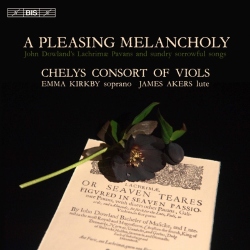
John Dowland
Lachrimae antiquae novae
Released Album
Recent Album
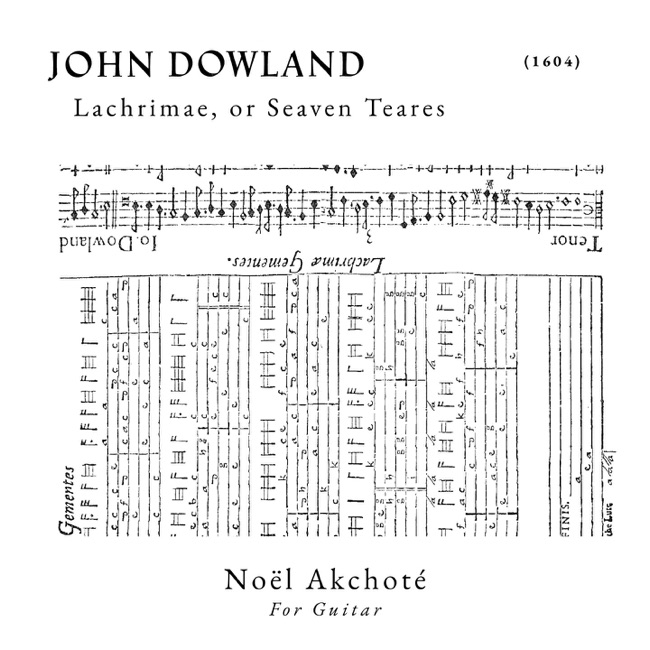


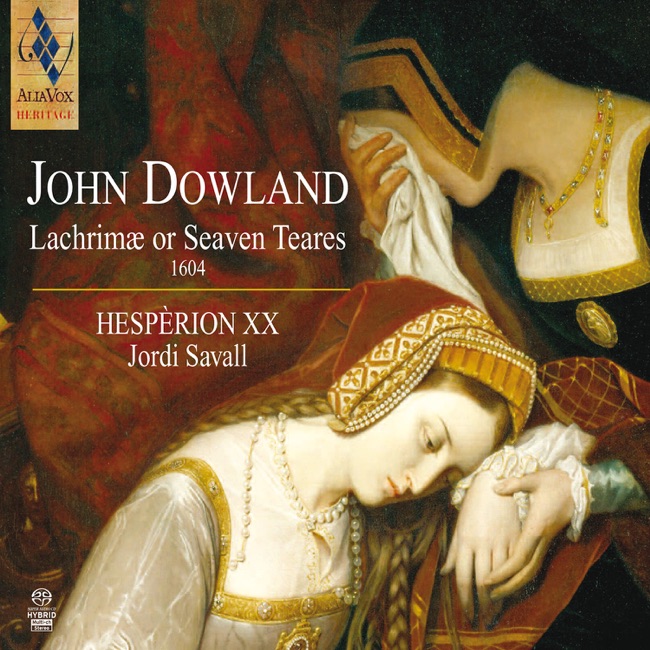


Featured Album


Works Info
Composer:John DowlandGenre:ChamberStyle:PavaneCompose Date:1604Publication Date:1604Average_duration:4:06'Lachrimae antiquae novae' is a composition for lute by the English composer John Dowland. It was composed in the late 16th century and was first published in 1604. The piece is part of a collection of seven pavans and six galliards, collectively known as 'Lachrimae, or Seaven Teares'. The composition is divided into seven movements, each with its own distinct character and mood. The first movement is a slow and mournful pavan, which sets the tone for the rest of the piece. The second movement is a lively galliard, which provides a contrast to the somber opening. The third movement is another pavan, which is more introspective and melancholic than the first. The fourth movement is a galliard, which is more subdued than the previous one. The fifth movement is a pavan, which is more complex and intricate than the previous two. The sixth movement is a galliard, which is more lively and energetic than the previous one. The final movement is a pavan, which brings the piece to a close with a sense of resignation and acceptance. The piece is characterized by its use of the lute, which was a popular instrument in the Renaissance period. Dowland was a master of the lute, and his compositions for the instrument are considered some of the finest of the era. 'Lachrimae antiquae novae' is no exception, and it showcases Dowland's skill in creating intricate and expressive music for the lute. The piece is also notable for its use of the 'Lachrimae' motif, which is a descending melody that is repeated throughout the composition. This motif is used to create a sense of melancholy and sadness, which is a common theme in Dowland's music. The use of this motif also creates a sense of unity and coherence throughout the piece, as it is repeated in various forms in each of the movements. Overall, 'Lachrimae antiquae novae' is a masterpiece of Renaissance music, and it remains a popular and influential composition to this day. Its use of the lute and its expressive use of the 'Lachrimae' motif make it a timeless work of art that continues to inspire musicians and listeners alike.More....
Works Music
Released Music


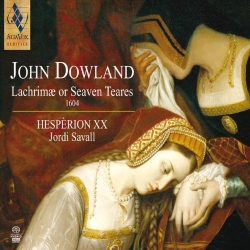



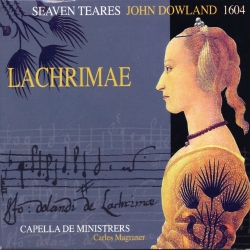
Featured Music
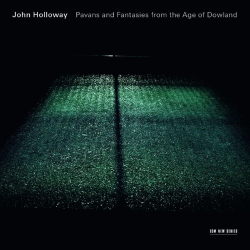
2

Lachrimae antiquae novae
Lachrimae antiquae novae, for 5 viols/violins & lute (from "Lachrimae")
1:50