American Traditional
How Firm a Foundation
Released Album
Recent Album
Featured Album
Works Info
Composer:American TraditionalGenre:ChoralStyle:ChoralAverage_duration:3:11"How Firm a Foundation" is a well-known American hymn that has been sung in churches for over two centuries. The hymn is believed to have been composed by an unknown author in the late 18th century, and it has since become a staple in Christian worship services around the world. The hymn was first published in 1787 in a hymnal titled "A Selection of Hymns from the Best Authors." It quickly gained popularity and has been included in numerous hymnals since then. The tune for the hymn is also unknown, but it is believed to have been adapted from a traditional English melody. "How Firm a Foundation" is a hymn that is typically sung in four movements. The first movement is a declaration of faith, with the lyrics "How firm a foundation, ye saints of the Lord, is laid for your faith in His excellent Word!" The second movement is a reminder of God's promises, with the lyrics "Fear not, I am with thee, O be not dismayed, for I am thy God and will still give thee aid." The third movement is a call to trust in God, with the lyrics "When through fiery trials thy pathway shall lie, my grace, all-sufficient, shall be thy supply." The final movement is a declaration of victory, with the lyrics "The soul that on Jesus hath leaned for repose, I will not, I will not desert to his foes." The hymn is known for its strong and uplifting lyrics, which encourage believers to trust in God's promises and to find strength in times of trial. It has been sung at countless funerals, weddings, and other religious ceremonies, and it continues to be a beloved hymn in the Christian community. Overall, "How Firm a Foundation" is a timeless hymn that has stood the test of time. Its powerful lyrics and uplifting melody continue to inspire and encourage believers around the world, making it a true classic in the world of Christian music.More....
Works Music
Released Music
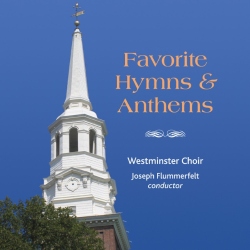
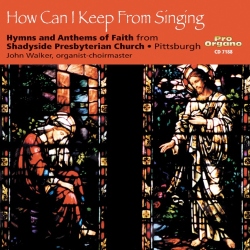
Featured Music