


John Baston
Concerto for flute/recorder, strings & continuo, No. 2 in D major "For Sixth Flute"
Released Album
Recent Album


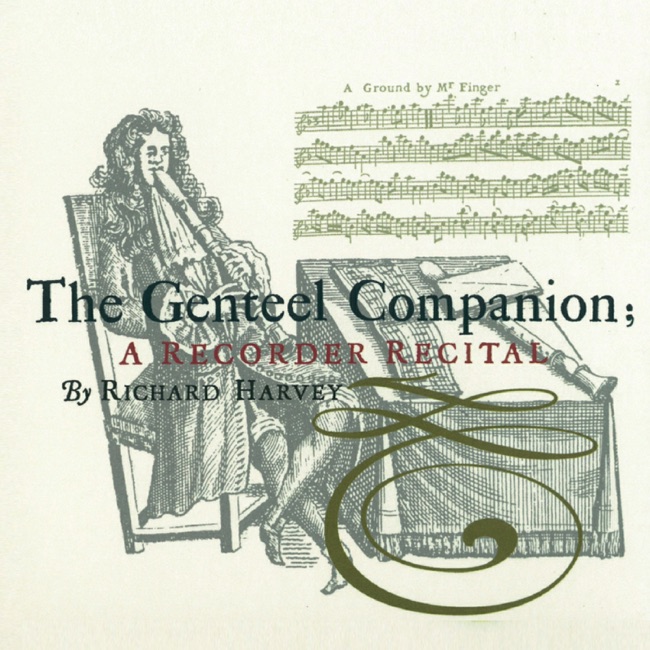

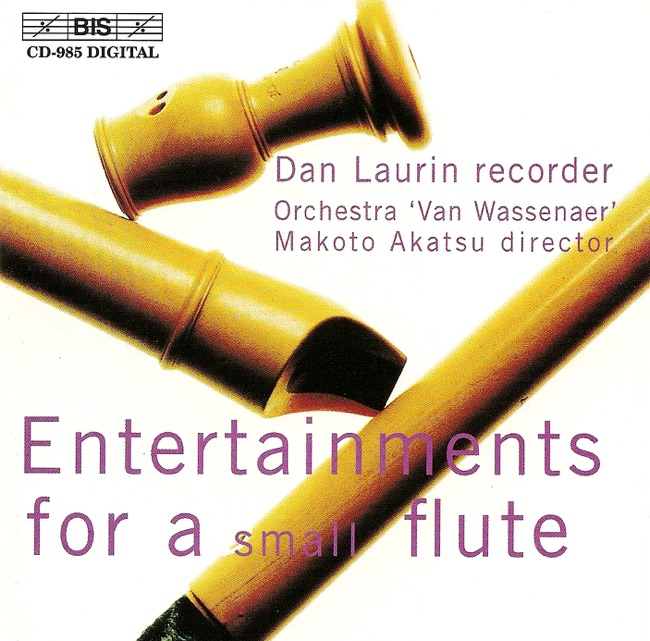
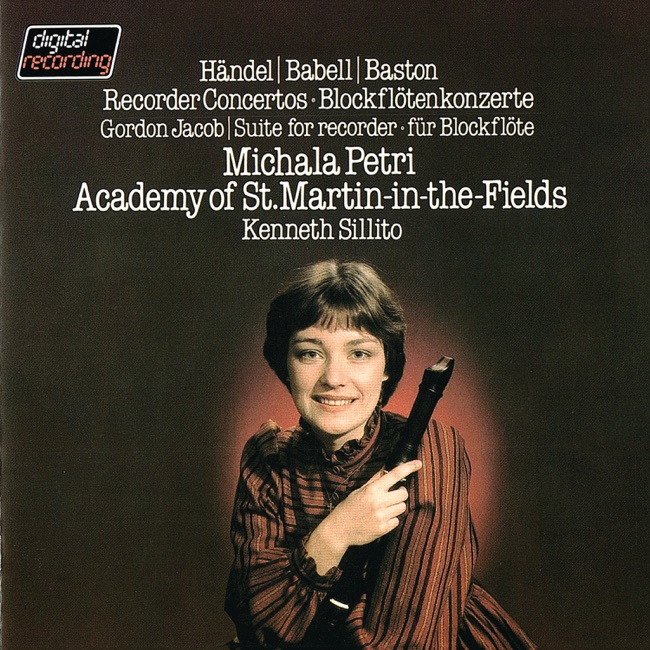
Works Info
Composer:John BastonGenre:ConcertoStyle:ConcertoAverage_duration:5:59Movement_count:3Movement ....The Concerto for flute/recorder, strings & continuo, No. 2 in D major For Sixth Flute was composed by John Baston, an English composer and flutist, in the early 18th century. The exact date of composition is unknown, but it is believed to have been written around 1720. The concerto consists of three movements: Allegro, Adagio, and Allegro. The first movement, Allegro, is in a fast tempo and features lively and energetic melodies. The second movement, Adagio, is slower and more contemplative, with a beautiful and expressive melody played by the solo flute. The final movement, Allegro, returns to the fast tempo of the first movement and features virtuosic passages for the solo flute. The concerto is scored for solo flute or recorder, strings, and continuo. The string section consists of violins, violas, cellos, and basses, while the continuo section includes harpsichord, cello, and bass. The use of the continuo section is typical of Baroque music and provides a harmonic foundation for the soloist and strings. The concerto is characterized by its lively and joyful melodies, virtuosic passages for the soloist, and the interplay between the soloist and the orchestra. The use of the recorder as a solo instrument was common in the Baroque era, and Baston's concerto showcases the instrument's agility and expressive capabilities. The concerto was premiered in London, likely at one of the many public concerts that were popular in the city at the time. It quickly became a popular piece and was frequently performed throughout the 18th century. Today, it remains a beloved work in the Baroque repertoire and is often performed by soloists and ensembles around the world.More....
Works Music
Released Music
1

2:4
2

2:13
3
2:
4

2:4
5
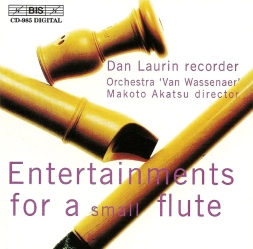
2:18
6
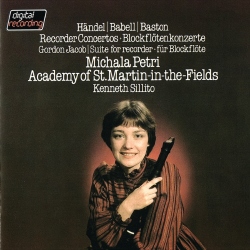
2:4
Main Perform Artists