Matthew Locke
Suite, for keyboard in D major
Released Album
Recent Album
Works Info
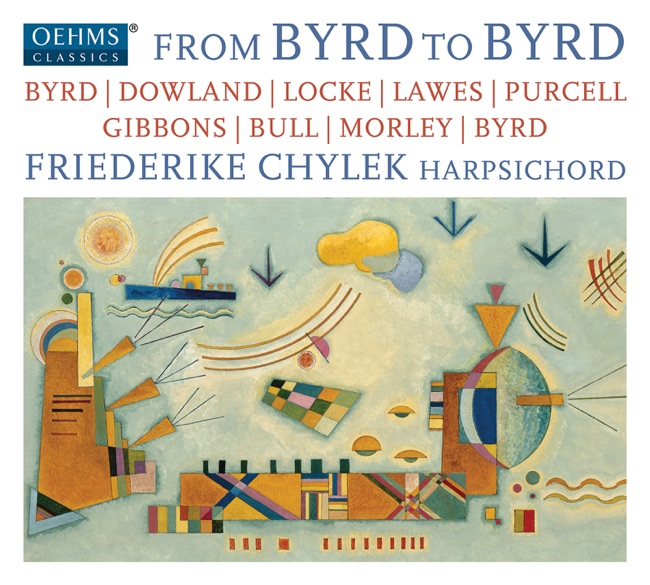
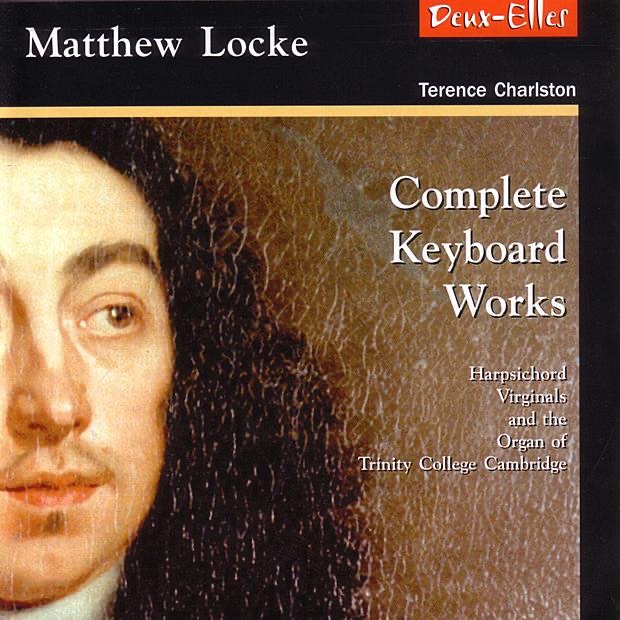
Composer:Matthew LockeGenre:KeyboardStyle:KeyboardCompose Date:1673Publication Date:1673Average_duration:6:23Movement_count:5Movement ....Matthew Locke's 'Suite, for keyboard in D major' is a Baroque composition that was composed in the mid-17th century. The exact date of composition is not known, but it is believed to have been written between 1650 and 1670. The suite is comprised of several movements, each with its own unique characteristics. The suite opens with a prelude, which is a short, improvisatory piece that sets the tone for the rest of the suite. The prelude is followed by an allemande, which is a moderate tempo dance in quadruple meter. The allemande is characterized by its flowing, graceful melody and its use of syncopation. The next movement is a courante, which is a fast dance in triple meter. The courante is characterized by its lively, energetic melody and its use of ornamentation. This is followed by a sarabande, which is a slow dance in triple meter. The sarabande is characterized by its melancholic melody and its use of suspensions. The suite then moves on to a gigue, which is a fast dance in compound meter. The gigue is characterized by its lively, syncopated melody and its use of imitation. The final movement of the suite is a chaconne, which is a dance in triple meter that is characterized by its use of a repeating harmonic progression. The chaconne is often used as a finale in Baroque suites, and Locke's chaconne is no exception. Overall, Locke's 'Suite, for keyboard in D major' is a fine example of Baroque keyboard music. The suite is characterized by its use of dance forms, its lively melodies, and its use of ornamentation and imitation. The suite is also notable for its use of harmonic progressions and its use of suspensions, which were common features of Baroque music.More....
Works Music
Released Music