Edmund Rubbra
Motets (5), Op. 37
Released Album
Recent Album
Featured Album
Works Info
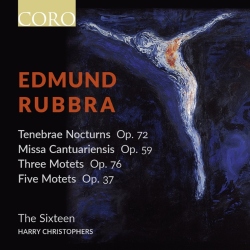
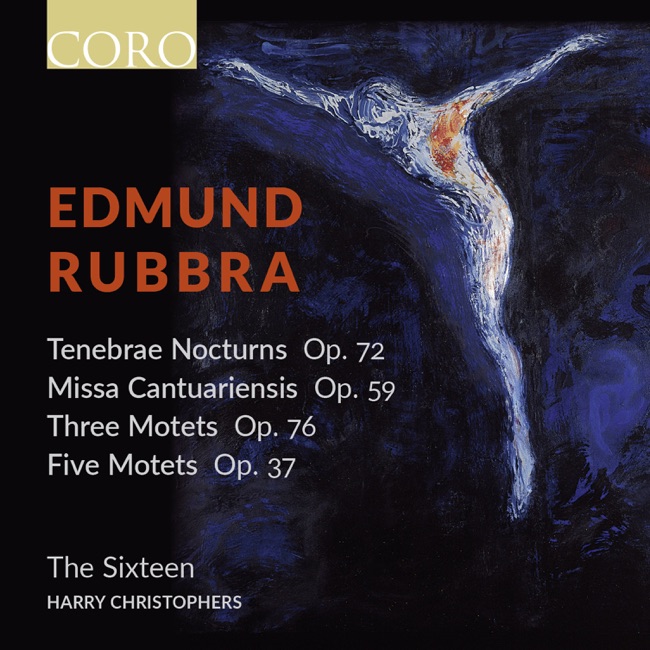
Composer:Edmund RubbraGenre:ChoralStyle:MotetAverage_duration:12:46Motets (5), Op. 37 is a choral work composed by Edmund Rubbra, a British composer, in 1947. The piece was premiered in the same year at the Three Choirs Festival in Worcester, England. The work consists of five movements, each with its own unique characteristics. The first movement, "Eternitie," is a setting of a poem by Henry Vaughan. It begins with a slow and solemn introduction, followed by a lively and rhythmic section. The choir sings in harmony, with occasional dissonances, creating a sense of tension and release. The movement ends with a peaceful and serene coda. The second movement, "The Search," is a setting of a poem by George Herbert. It is a slow and contemplative piece, with a simple and repetitive melody. The choir sings in unison, with occasional harmonies, creating a sense of unity and introspection. The movement ends with a quiet and reflective coda. The third movement, "The Call," is a setting of a poem by Richard Crashaw. It is a fast and energetic piece, with a lively and syncopated rhythm. The choir sings in harmony, with occasional antiphonal passages, creating a sense of urgency and excitement. The movement ends with a triumphant and exultant coda. The fourth movement, "The Feast," is a setting of a poem by Richard Crashaw. It is a slow and meditative piece, with a rich and complex harmony. The choir sings in harmony, with occasional dissonances, creating a sense of mystery and awe. The movement ends with a peaceful and contemplative coda. The fifth movement, "The Dance," is a setting of a poem by Richard Crashaw. It is a fast and lively piece, with a joyful and celebratory rhythm. The choir sings in harmony, with occasional antiphonal passages, creating a sense of unity and exuberance. The movement ends with a joyful and exultant coda. Overall, Motets (5), Op. 37 is a complex and varied work, showcasing Rubbra's mastery of choral composition. The piece combines elements of Renaissance polyphony with modern harmonies and rhythms, creating a unique and distinctive sound. The work is characterized by its rich and complex harmonies, its use of dissonance and tension, and its sense of unity and celebration.More....
Works Music
Released Music
Featured Music