Samuel Sebastian Wesley
Introduction and Fugue for organ in C sharp minor
Released Album
Recent Album
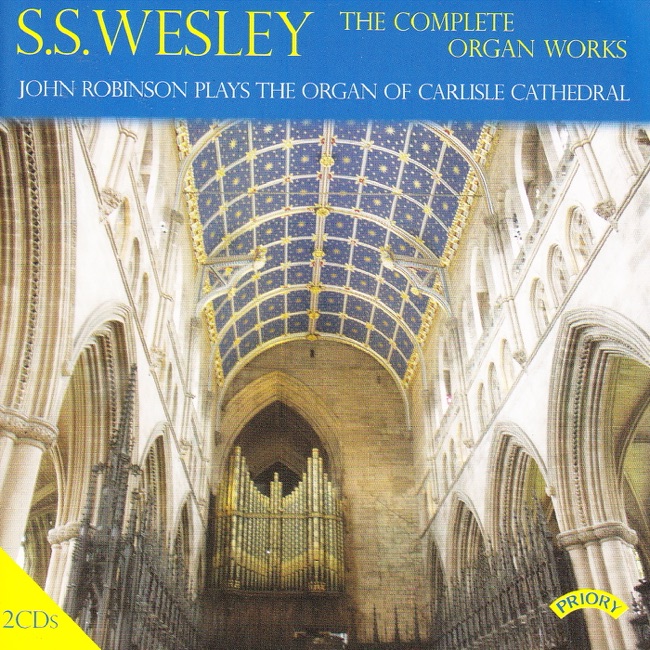
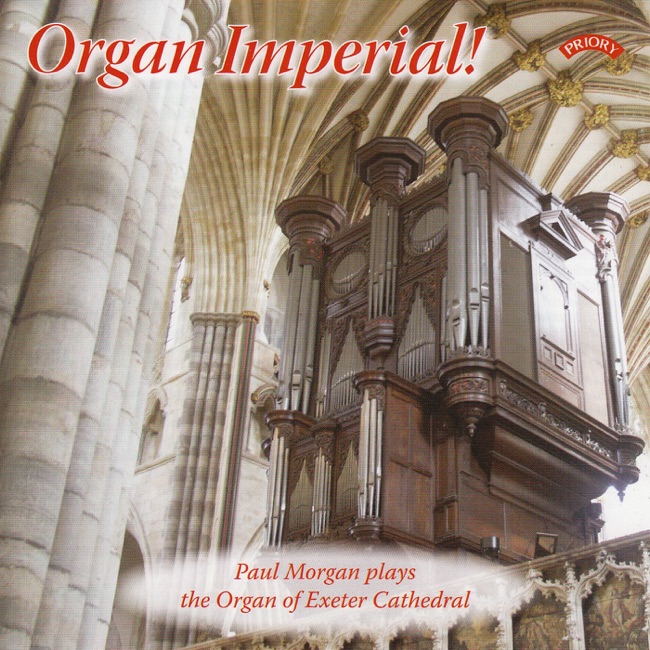
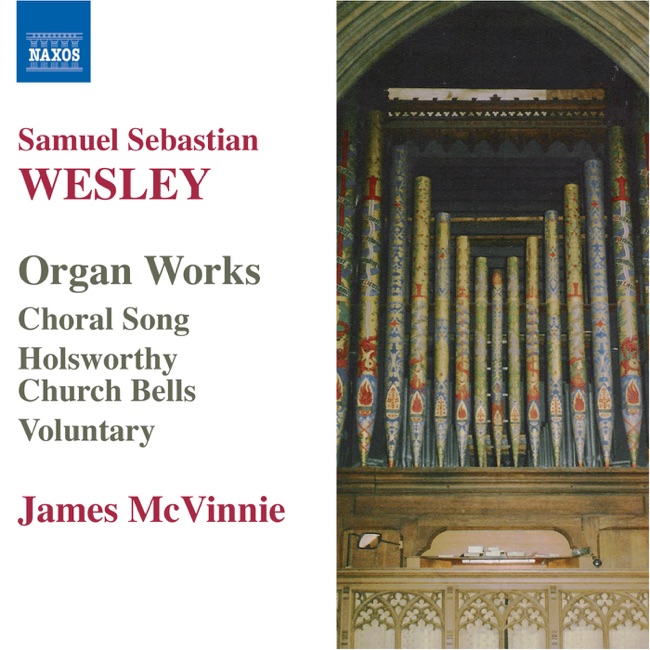
Works Info
Composer:Samuel Sebastian WesleyGenre:KeyboardStyle:Prelude & FugueCompose Date:1836Publication Date:1869Average_duration:7:46Samuel Sebastian Wesley's 'Introduction and Fugue for organ in C sharp minor' is a masterpiece of the Romantic era. It was composed in 1844 and premiered on 6th May 1845 at St. George's Hall, Liverpool. The piece is divided into two movements, the Introduction and the Fugue. The Introduction is a slow and solemn piece that sets the mood for the entire composition. It begins with a series of chords played on the organ's pedals, which create a sense of anticipation. The melody is then introduced on the manuals, played in a low register, and gradually builds up to a climax. The use of chromaticism and dissonance in the melody creates a sense of tension and unease, which is resolved in the final chord. The Fugue is a complex and intricate piece that showcases Wesley's mastery of counterpoint. It begins with a subject played on the pedals, which is then taken up by the manuals. The subject is then developed and passed between the different voices of the organ, creating a rich and layered texture. The use of imitation and inversion adds to the complexity of the piece, and the constant interplay between the different voices creates a sense of movement and energy. One of the characteristics of Wesley's 'Introduction and Fugue for organ in C sharp minor' is its use of chromaticism and dissonance. This was a common feature of Romantic music, and it adds to the emotional intensity of the piece. Another characteristic is the use of counterpoint, which was a hallmark of Baroque music but was also used extensively in the Romantic era. Wesley's use of counterpoint in the Fugue is particularly impressive, and it demonstrates his skill as a composer. Overall, Samuel Sebastian Wesley's 'Introduction and Fugue for organ in C sharp minor' is a masterpiece of Romantic organ music. Its use of chromaticism, dissonance, and counterpoint creates a rich and complex texture that is both emotional and intellectual. The piece remains a popular choice for organists today and is a testament to Wesley's enduring legacy as a composer.More....
Works Music
Released Music
1
6:54
3
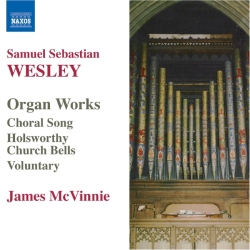
7:46
4
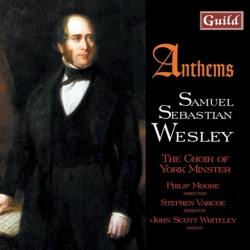
6:48