Carlo Gesualdo
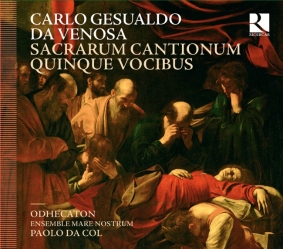
Laboravi in gemitu meo, W. 8/33
Released Album
Recent Album
-
 Julie WintrebertNovember 22, 2019
 -
-
-
Featured Album
Works Info
Composer:Carlo GesualdoGenre:ChoralStyle:ChoralCompose Date:1603Average_duration:4:19Carlo Gesualdo, Prince of Venosa, was an Italian composer of the late Renaissance period. He is known for his highly expressive and chromatic music, which was ahead of its time and anticipated many features of Baroque music. One of his most famous works is "Laboravi in gemitu meo," a setting of Psalm 6 for five voices. The composition was likely written in the late 1590s or early 1600s, during Gesualdo's most productive period as a composer. It was first published in his fifth book of madrigals in 1611, along with several other sacred works. The premiere of the piece is unknown, but it was likely performed in the chapel of Gesualdo's palace in Naples, where he held regular musical gatherings. "Laboravi in gemitu meo" is divided into three movements, each of which reflects a different aspect of the psalm text. The first movement is a lament, in which the psalmist cries out to God for mercy and relief from his suffering. The music is characterized by dissonant harmonies and chromaticism, which convey the psalmist's anguish and despair. The second movement is a prayer for healing, in which the psalmist asks God to turn away from his anger and restore him to health. The music is more hopeful and serene than the first movement, with smoother harmonies and a more regular rhythm. The third movement is a declaration of faith, in which the psalmist affirms his trust in God's mercy and protection. The music is more joyful and triumphant than the previous movements, with lively rhythms and bright harmonies. Overall, "Laboravi in gemitu meo" is a powerful and emotional work that showcases Gesualdo's unique style and expressive abilities. Its use of chromaticism and dissonance was highly unusual for its time, and it continues to fascinate and inspire musicians and listeners today.More....
Works Music
Released Music
1
2:6
2
2:43
3
2:43
4
4:19
Featured Music