William Byrd
Laetentur coeli
Released Album
Recent Album
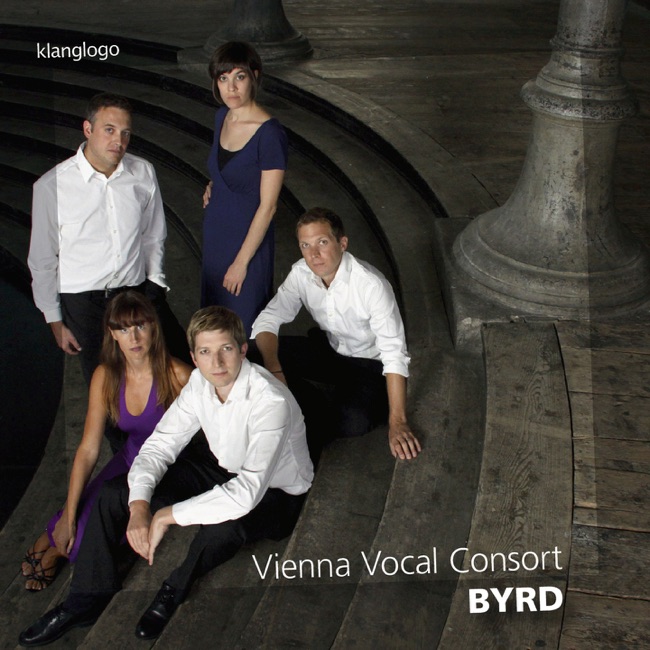
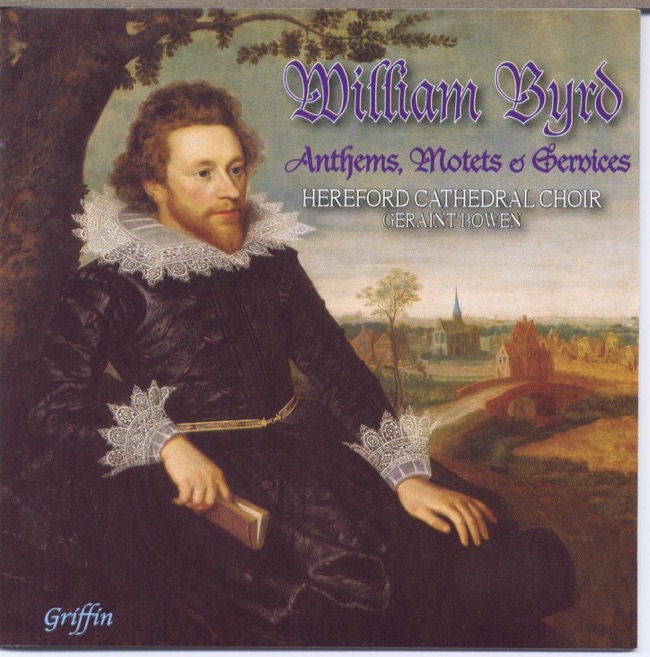
Featured Album
Works Info
Composer:William ByrdGenre:ChoralStyle:MotetCompose Date:1589Average_duration:3:25'Laetentur coeli' is a sacred motet composed by William Byrd, an English composer of the Renaissance era. The piece was composed in the late 16th century, around 1580, during the reign of Queen Elizabeth I. It was first performed in the Chapel Royal, London, and was later published in Byrd's collection of Gradualia in 1605. The motet is written for four voices, SATB, and is divided into three movements. The first movement is a joyful and celebratory setting of the text "Laetentur coeli" (Let the heavens rejoice), which is taken from the Introit for the Feast of the Assumption of the Blessed Virgin Mary. The second movement is a more subdued setting of the text "Gloriosa dicta sunt" (Glorious things are spoken of thee), which is taken from the Gradual for the same feast day. The final movement returns to the joyful mood of the first movement, with a setting of the text "Gaudeamus omnes" (Let us all rejoice). The piece is characterized by Byrd's use of rich harmonies and intricate counterpoint, which create a sense of depth and complexity. The opening movement features a lively and rhythmic melody, with each voice taking turns to sing the main theme. The second movement is more contemplative, with a slower tempo and a more homophonic texture. The final movement returns to the lively mood of the opening, with a faster tempo and a more complex interplay between the voices. Overall, 'Laetentur coeli' is a masterful example of Byrd's skill as a composer, showcasing his ability to create complex and beautiful music that is both joyful and contemplative. It remains a popular piece in the choral repertoire to this day, and is often performed in churches and concert halls around the world.More....