Heitor Villa-Lobos
Symphony No. 7, A. 458
Released Album
Recent Album
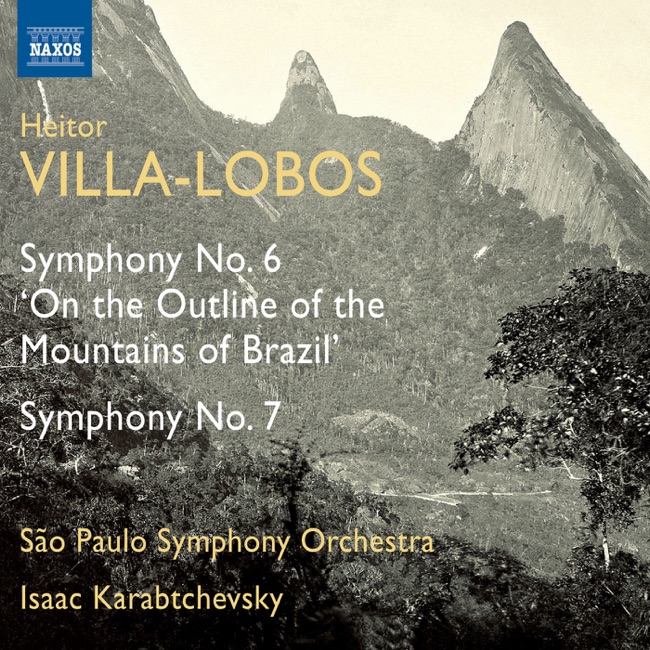
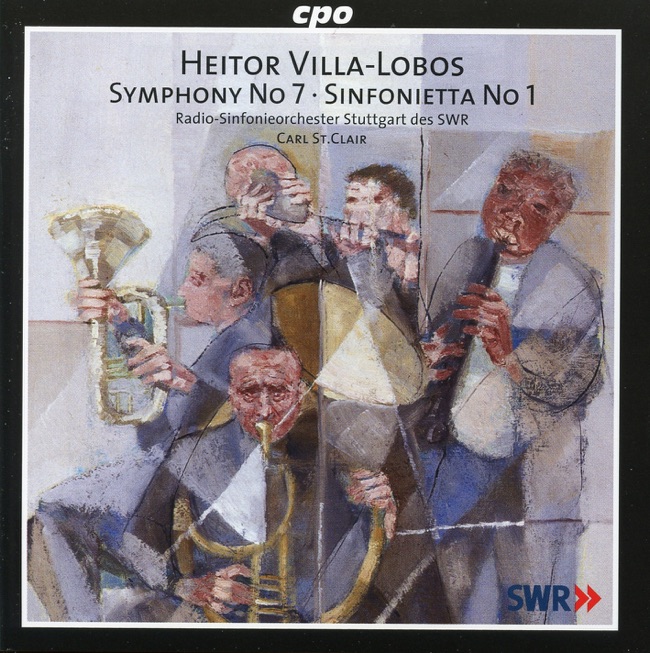
Works Info
Composer:Heitor Villa-LobosGenre:SymphonyStyle:SymphonyCompose Date:1945Average_duration:36:09Movement_count:4Movement ....Heitor Villa-Lobos composed his Symphony No. 7, A. 458 in 1945. The symphony premiered on September 2, 1945, in Rio de Janeiro, Brazil, with the composer conducting the Orquestra Sinfônica Brasileira. The symphony is divided into four movements. The first movement, marked Allegro non troppo, begins with a lively and rhythmic theme played by the strings. The theme is then passed on to the woodwinds and brass, creating a sense of excitement and energy. The movement also features a lyrical second theme, played by the strings, which provides a contrast to the more rhythmic opening theme. The second movement, marked Andante, is a slow and contemplative piece. It begins with a haunting melody played by the English horn, which is then taken up by the strings. The movement builds to a climax before returning to the opening theme. The third movement, marked Allegretto, is a playful and lively scherzo. It features a syncopated rhythm and a catchy melody played by the woodwinds. The movement also includes a slower, more lyrical section, which provides a contrast to the faster, more energetic sections. The final movement, marked Allegro non troppo, is a triumphant and celebratory piece. It begins with a fanfare-like theme played by the brass, which is then taken up by the strings. The movement builds to a grand climax before ending with a triumphant coda. Overall, Villa-Lobos's Symphony No. 7 is a vibrant and colorful work that showcases the composer's unique blend of Brazilian folk music and European classical music. The symphony is characterized by its rhythmic vitality, lush harmonies, and memorable melodies. It is considered one of Villa-Lobos's most important works and a masterpiece of Brazilian classical music.More....
Works Music
Released Music