Francis Poulenc
Pierrot, FP 66
Released Album
Recent Album



Works Info
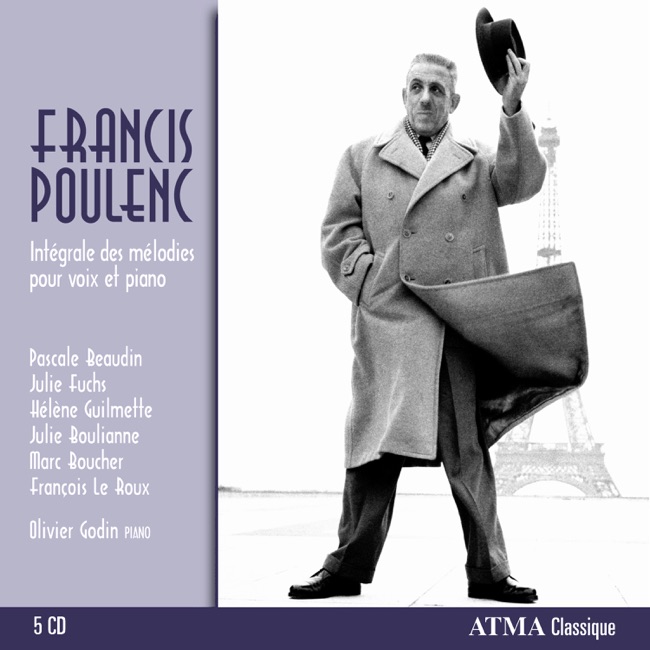
Composer:Francis PoulencGenre:VocalStyle:Vocal MusicCompose Date:1933Average_duration:0:46Pierrot, FP 66 is a chamber music work composed by Francis Poulenc in 1940. It was premiered on June 6, 1942, in Paris, France. The piece is divided into three movements and is scored for flute, clarinet, bassoon, two horns, piano, and string quartet. The first movement, titled "Prologue," is marked "Très calme" (very calm) and sets the mood for the entire piece. It begins with a soft, mournful melody played by the strings, which is then joined by the woodwinds. The piano adds a sense of unease with its dissonant chords, and the movement ends with a sense of unresolved tension. The second movement, titled "Pierrot," is marked "Allegro ironico" (ironic allegro) and is the most lively and playful of the three. It features a jaunty melody played by the woodwinds, which is then taken up by the strings. The piano adds a sense of whimsy with its playful arpeggios, and the movement ends with a sudden, unexpected chord. The third and final movement, titled "Sérénade," is marked "Andante con moto" (slowly with motion) and is the most melancholy of the three. It begins with a mournful melody played by the strings, which is then joined by the woodwinds. The piano adds a sense of longing with its arpeggios, and the movement ends with a sense of resignation. Overall, Pierrot, FP 66 is a haunting and evocative work that showcases Poulenc's skill as a composer. The piece is characterized by its use of dissonance and unexpected chord progressions, as well as its sense of melancholy and longing. It is a testament to Poulenc's ability to create music that is both beautiful and emotionally powerful.More....
Works Music
Released Music