George Dyson
Jubilate Deo in D major
Released Album
Recent Album
Works Info
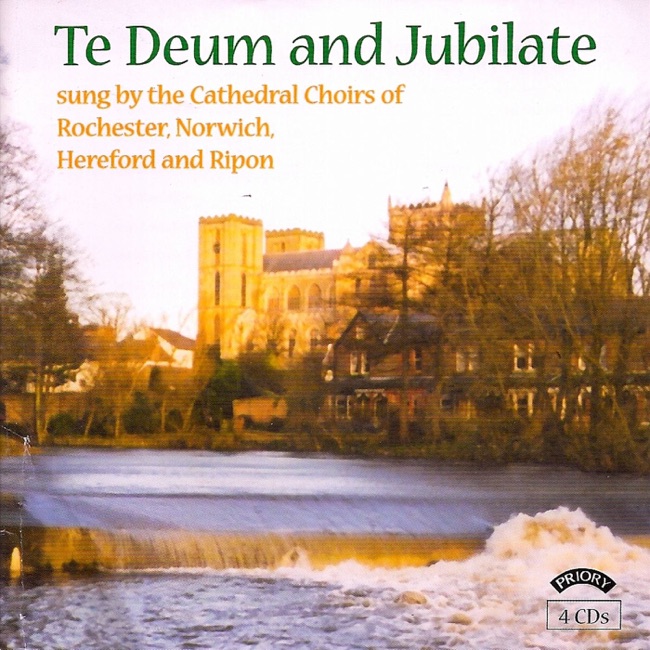
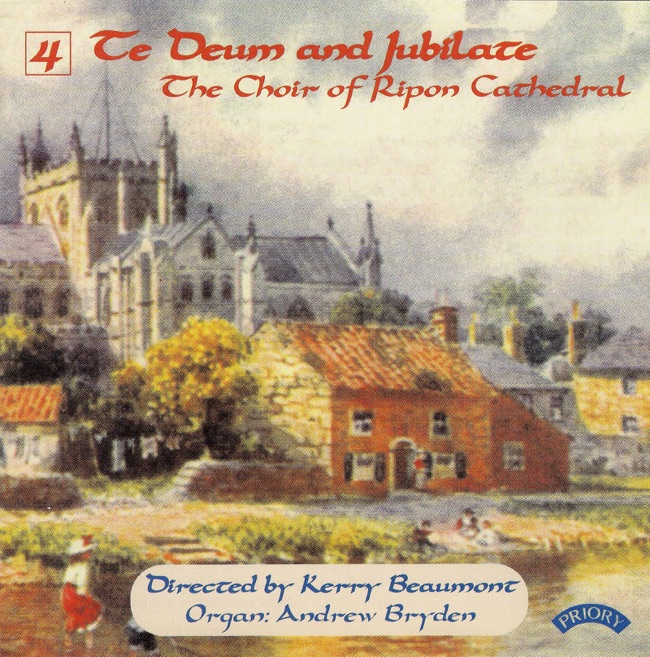
Composer:George DysonGenre:ChoralStyle:ChoralAverage_duration:3:19Jubilate Deo in D major is a choral work composed by George Dyson in 1934. It was premiered on June 6, 1935, at the Royal Albert Hall in London, England. The piece is divided into four movements, each with its own unique characteristics. The first movement, marked "Allegro con brio," is a joyful and exuberant expression of praise. The choir sings in unison, with occasional harmonies, and the music is characterized by its rhythmic energy and lively tempo. The second movement, marked "Andante sostenuto," is a more contemplative and introspective section. The choir sings in four-part harmony, with a gentle and flowing melody that builds to a powerful climax before subsiding into a peaceful conclusion. The third movement, marked "Allegro vivace," is a lively and energetic section that features a call-and-response between the choir and a solo trumpet. The music is characterized by its rhythmic complexity and dynamic contrasts, with the choir and trumpet trading off phrases in a playful and joyful manner. The final movement, marked "Allegro molto," is a triumphant and celebratory conclusion to the piece. The choir sings in four-part harmony, with a driving and energetic melody that builds to a powerful climax before ending in a joyful and exultant coda. Overall, Jubilate Deo in D major is a vibrant and uplifting choral work that showcases Dyson's skill as a composer. Its joyful and celebratory tone makes it a popular choice for church choirs and other musical ensembles, and it remains a beloved piece of choral music to this day.More....
Works Music
Released Music