


Béla Bartók
Old Hungarian Folksongs (4), Sz. 50
Released Album
Recent Album
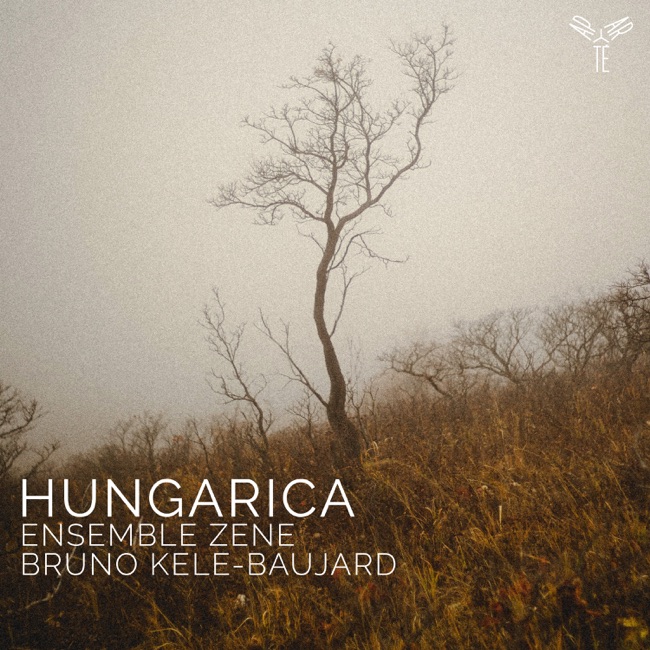
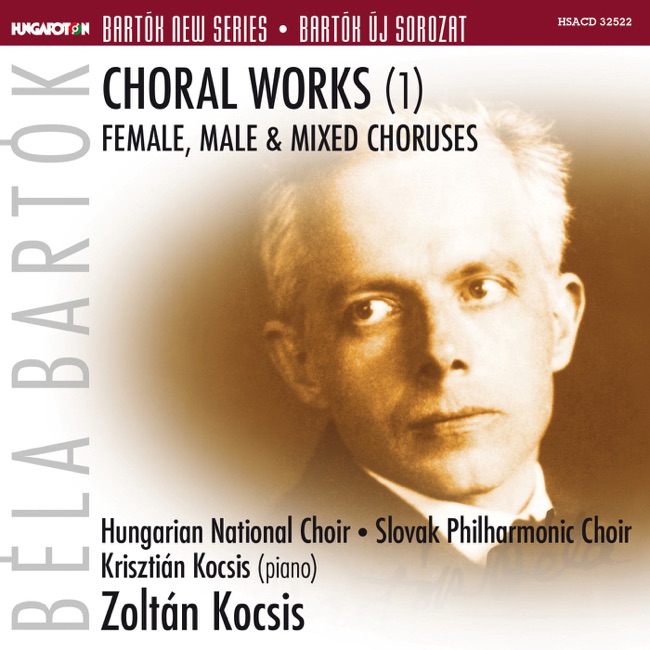
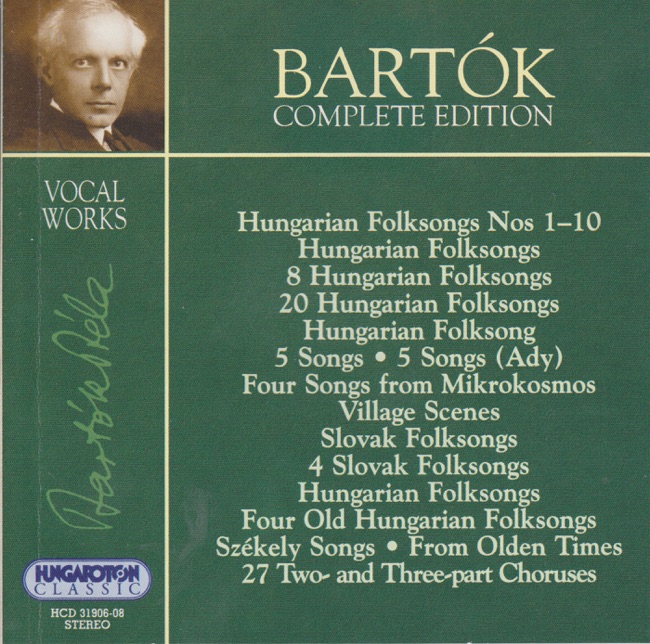
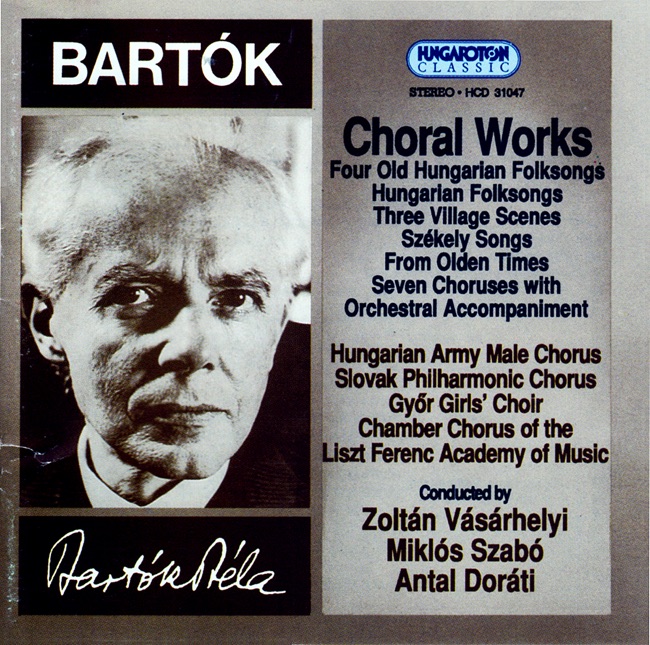

Featured Album
Works Info
Composer:Béla BartókGenre:ChoralStyle:ChoralCompose Date:1910Publication Date:1928Average_duration:3:40Movement_count:4Movement ....Béla Bartók's 'Old Hungarian Folksongs (4)', Sz. 50, is a collection of four songs that were composed between 1906 and 1907. The premiere of the work took place in Budapest in 1910, and it was performed by the composer himself. The four movements of the work are titled 'The Peacock', 'The Spinning Room', 'The Limping Devil', and 'The Lost Bride'. The first movement, 'The Peacock', is a lively and energetic song that features a fast tempo and a complex rhythm. The melody is based on a traditional Hungarian folk tune, and Bartók's arrangement adds a layer of complexity to the original melody. The use of dissonant harmonies and unexpected accents creates a sense of tension and excitement throughout the movement. The second movement, 'The Spinning Room', is a slower and more contemplative piece that features a solo violin accompanied by a piano. The melody is simple and haunting, and the use of a solo instrument creates a sense of intimacy and vulnerability. The piano accompaniment is sparse and delicate, adding to the overall sense of melancholy. The third movement, 'The Limping Devil', is a playful and mischievous song that features a fast tempo and a syncopated rhythm. The melody is based on a traditional Hungarian folk tune, and Bartók's arrangement adds a layer of complexity to the original melody. The use of unexpected accents and sudden shifts in tempo creates a sense of unpredictability and humor throughout the movement. The final movement, 'The Lost Bride', is a slow and mournful song that features a solo voice accompanied by a piano. The melody is simple and plaintive, and the use of a solo voice creates a sense of intimacy and vulnerability. The piano accompaniment is sparse and delicate, adding to the overall sense of sadness and loss. Overall, 'Old Hungarian Folksongs (4)', Sz. 50, is a masterful example of Bartók's use of traditional folk melodies in his compositions. The use of unexpected harmonies, complex rhythms, and unconventional instrumentation creates a sense of tension and excitement throughout the work, while the simple and haunting melodies evoke a sense of nostalgia and longing.More....
Works Music
Released Music
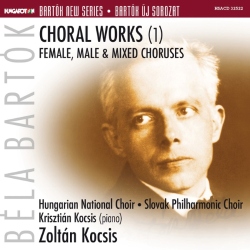
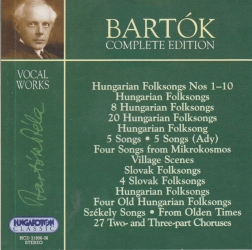
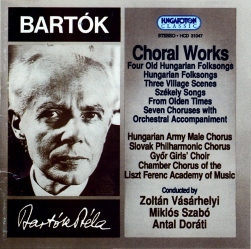
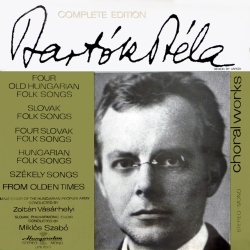
Featured Music
2
Old Hungarian Folksongs (4), Sz. fifty
Four Old Hungarian Folksongs: Négy régi magyar népdal, BB 60
3:28
3
Old Hungarian Folksongs (4), Sz. fifty
Four Old Hungarian Folksongs: Négy régi magyar népdal, BB 60
3:45
4
Old Hungarian Folksongs (4), Sz. fifty
Little Pigeon, I Have Told You (Rėg Megmondtam Bus Gerlice)
1:21
5
Old Hungarian Folksongs (4), Sz. fifty
Hey now, I've had too much waiting (JaJ Istenem, Hire varok)
47
7
Old Hungarian Folksongs (4), Sz. fifty
Farmboy, Load The Cart Well (Rėreslegėny. Jol Megrakd a Szekeret)
1:2
9
Old Hungarian Folksongs (4), Sz. fifty
Hey now, I've had too much waiting (Jaj Isteben, Kire varok)
45
11
Old Hungarian Folksongs (4), Sz. fifty
Farmboy, Load The Cart Well (Bėreslegėny, Jol Megrakd a Szekeret)
1:3
Main Perform Artists