Asger Hamerik
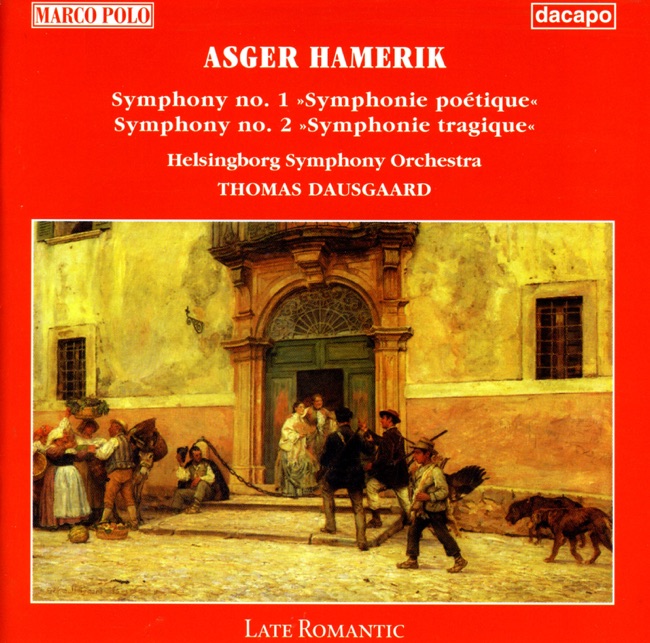
Symphony No. 2 in C minor, Op. 32 "Symphonie tragique"
Released Album
Recent Album
Works Info
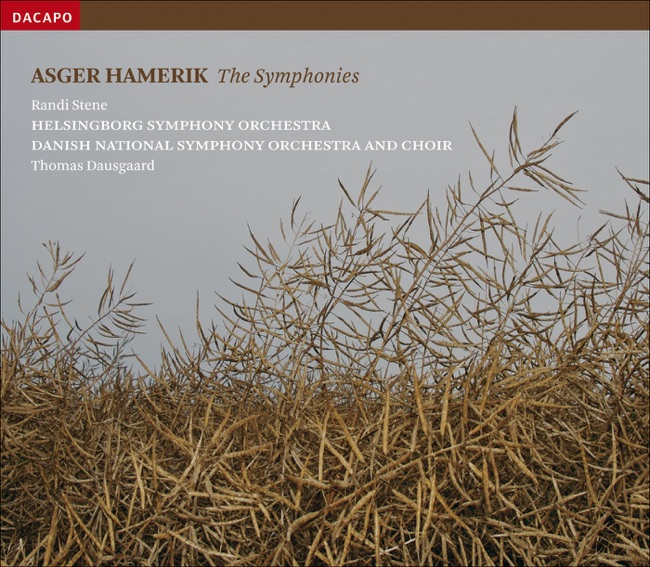
Composer:Asger HamerikGenre:SymphonyStyle:SymphonyCompose Date:1883Average_duration:42:34Movement_count:4Movement ....Asger Hamerik's Symphony No. 2 in C minor, Op. 32, also known as Symphonie tragique, was composed in 1872-73. The symphony premiered on January 22, 1874, in Copenhagen, Denmark, conducted by the composer himself. The symphony consists of four movements. The first movement, marked Allegro con fuoco, begins with a dramatic and intense introduction, featuring a descending chromatic motif that sets the tone for the entire symphony. The main theme is then introduced by the strings, which is followed by a lyrical second theme played by the woodwinds. The development section is characterized by a sense of struggle and conflict, with the chromatic motif returning in various guises. The movement ends with a powerful coda that brings the music to a dramatic close. The second movement, marked Adagio, is a lyrical and melancholic slow movement. The main theme is introduced by the strings, which is then taken up by the woodwinds. The middle section features a solo for the oboe, which is then joined by the clarinet and bassoon. The movement ends with a return of the main theme, played by the strings. The third movement, marked Scherzo, is a lively and energetic scherzo. The main theme is introduced by the strings, which is then taken up by the woodwinds. The trio section features a lyrical melody played by the horns, which is then joined by the strings. The scherzo returns, and the movement ends with a coda that brings the music to a frenzied close. The fourth and final movement, marked Finale, is a powerful and dramatic conclusion to the symphony. The movement begins with a slow introduction, featuring the chromatic motif from the first movement. The main theme is then introduced by the strings, which is followed by a lyrical second theme played by the woodwinds. The development section is characterized by a sense of struggle and conflict, with the chromatic motif returning in various guises. The movement ends with a powerful coda that brings the music to a dramatic close. Symphonie tragique is characterized by its dramatic intensity, lyrical melodies, and use of chromaticism. The symphony is often compared to the works of other Romantic composers such as Tchaikovsky and Brahms. Hamerik's use of chromaticism and his ability to create a sense of struggle and conflict in the music make Symphonie tragique a powerful and emotional work.More....
Works Music
Released Music