


Asger Hamerik
Released Album
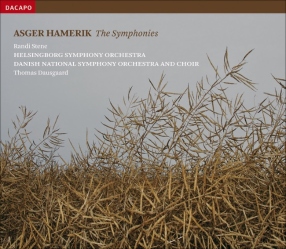
Symphony
-
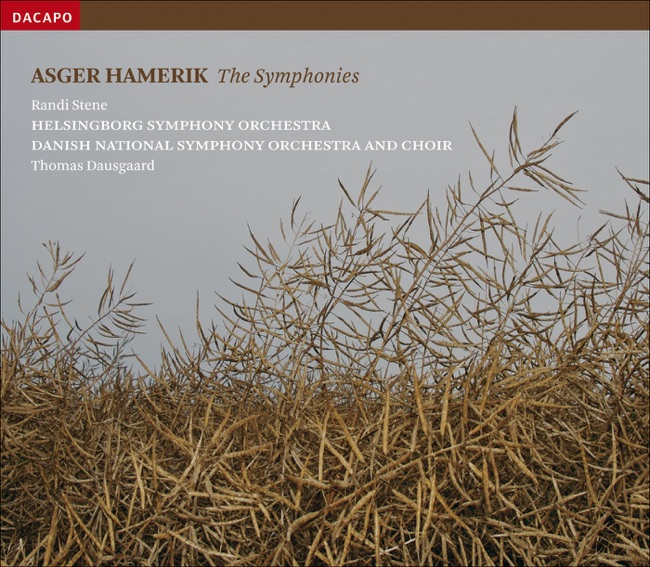 November 17, 2009
 -
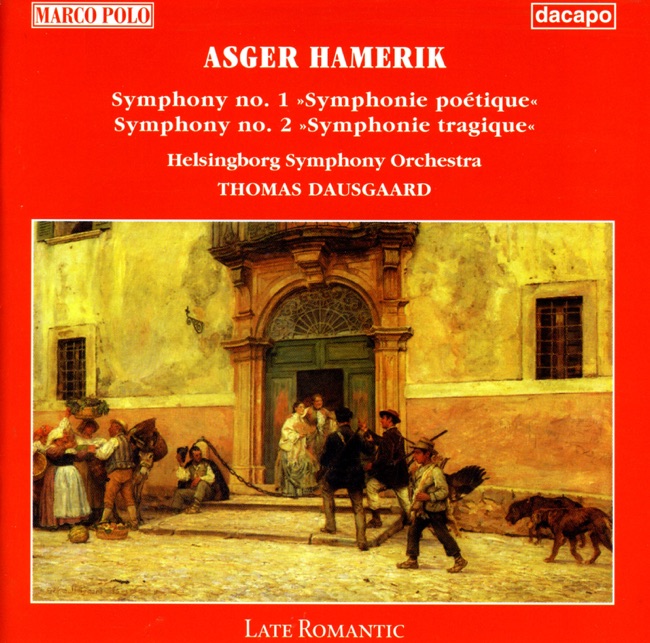
-
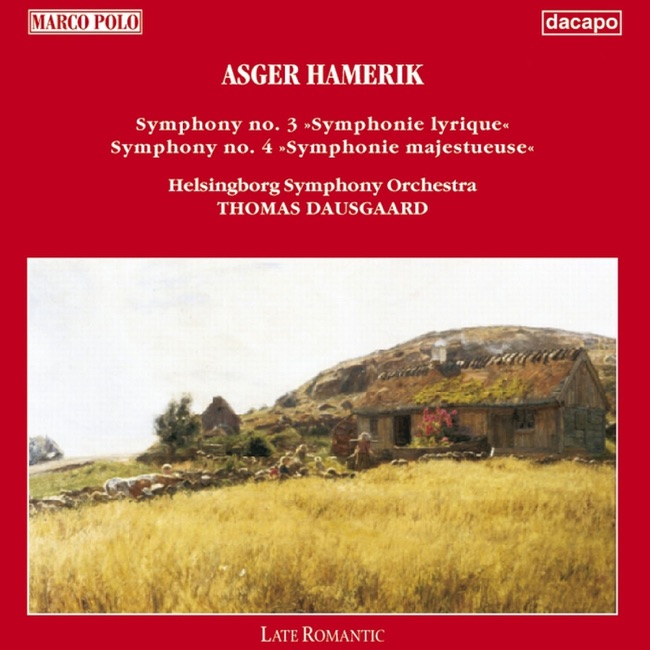 June 1, 1999
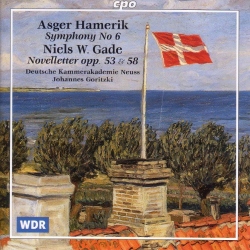
Orchestral
-
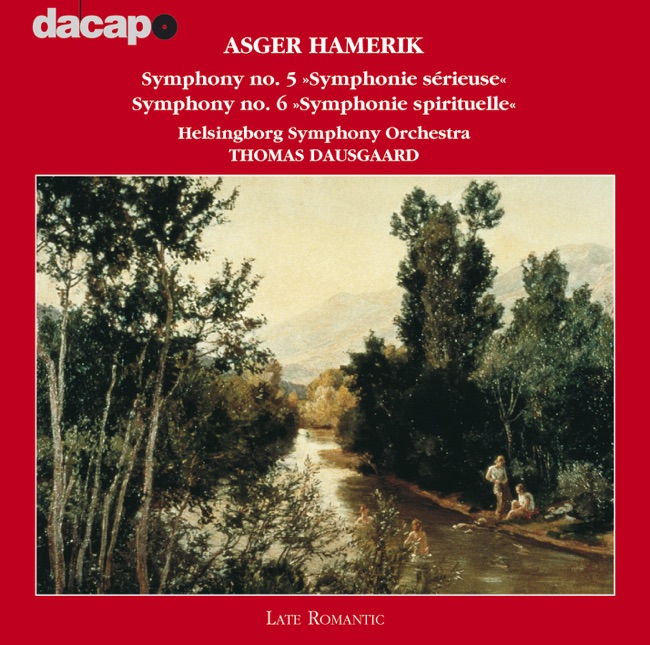 November 1, 2001
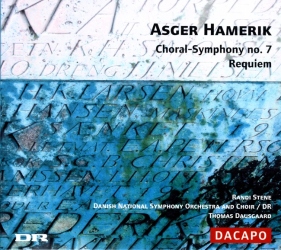
Choral
-
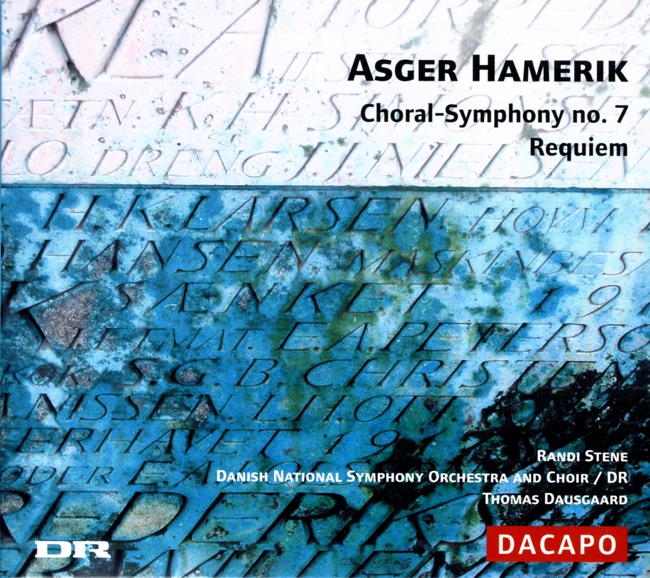 May 16, 2006
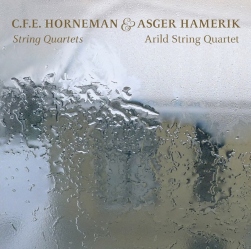
Chamber
-
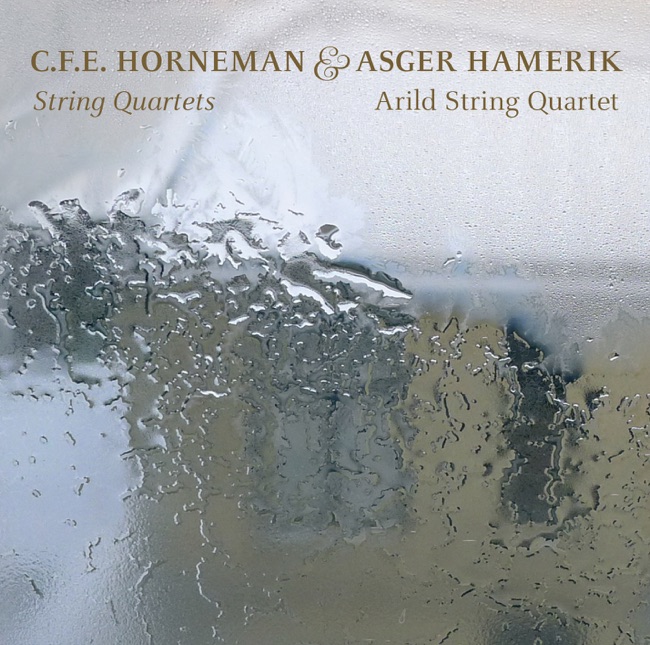 April 1, 2013
Artist Info
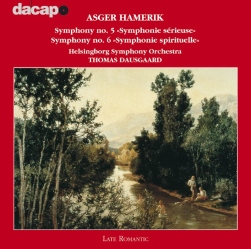
Role:ComposerCountry: DenmarkBirth:April 8, 1843 in Frederiksberg, DenmarkDeath:July 13, 1923 in Frederiksberg, DenmarkPeriod:RomanticGenre:ChamberChoralConcertoOperaSymphonyVocalAsger Hamerik was a Danish composer and conductor who lived from 1843 to 1923. He was born in Frederiksberg, Denmark, to a family of musicians. His father, Christian Frederik Emil Horneman, was a composer and conductor, and his mother, Emilie Marie Frederikke Hamerik, was a pianist and singer. Asger Hamerik was the youngest of their four children. Hamerik showed an early interest in music and began studying piano and violin at a young age. He also showed a talent for composition and began writing music when he was just 12 years old. His father recognized his talent and encouraged him to pursue a career in music. In 1861, Hamerik went to Leipzig, Germany, to study music at the Leipzig Conservatory. He studied composition with Julius Rietz and conducting with Carl Reinecke. He also studied piano with Ignaz Moscheles and violin with Ferdinand David. While in Leipzig, Hamerik became friends with the composer Edvard Grieg, who was also studying at the conservatory. After completing his studies in Leipzig, Hamerik returned to Denmark and began his career as a conductor. He conducted the Royal Danish Orchestra and the Copenhagen Philharmonic Orchestra. He also taught at the Royal Danish Conservatory of Music. Hamerik's compositions were influenced by the Romantic style of music that was popular in the 19th century. He wrote symphonies, operas, chamber music, and choral works. His music was often inspired by Danish folk music and Norse mythology. One of Hamerik's most famous works is his Symphony No. 1, also known as "Symphonie Poétique." The symphony was composed in 1872 and premiered in Copenhagen in 1873. It is a programmatic work that tells the story of a young man's journey through life. The symphony is divided into four movements, each representing a different stage of the young man's life. The first movement represents his childhood, the second his youth, the third his maturity, and the fourth his old age. The symphony is known for its lush orchestration and lyrical melodies. Hamerik's other symphonies include Symphony No. 2, "Symphonie Tragique," Symphony No. 3, "Symphonie Lyrique," Symphony No. 4, "Symphonie Majestueuse," and Symphony No. 5, "Symphonie Sérieuse." Each symphony has its own unique character and style. Hamerik also wrote several operas, including "La Vendetta," "Nordlys," and "The Children of the Mountain." His operas were influenced by the works of Richard Wagner and Giuseppe Verdi. In addition to his symphonies and operas, Hamerik wrote chamber music, including string quartets and piano trios. He also wrote choral works, including "The Tower of Babel" and "The Wreck of the Hesperus." Hamerik's music was well-received during his lifetime, but it fell out of favor after his death. However, in recent years, there has been a renewed interest in his music, and his works have been performed and recorded by orchestras and ensembles around the world. Asger Hamerik was a talented composer and conductor who made significant contributions to the world of classical music. His music was influenced by the Romantic style of the 19th century and was often inspired by Danish folk music and Norse mythology. His Symphony No. 1, "Symphonie Poétique," is one of his most famous works and is known for its lush orchestration and lyrical melodies. Hamerik's legacy continues to live on through his music, which is still enjoyed by audiences today.More....
Recent Artist Music


Copyright Ⓒ 2013 Davinci Finger. All rights reseved
Service Terms & Policy