Anton Richter
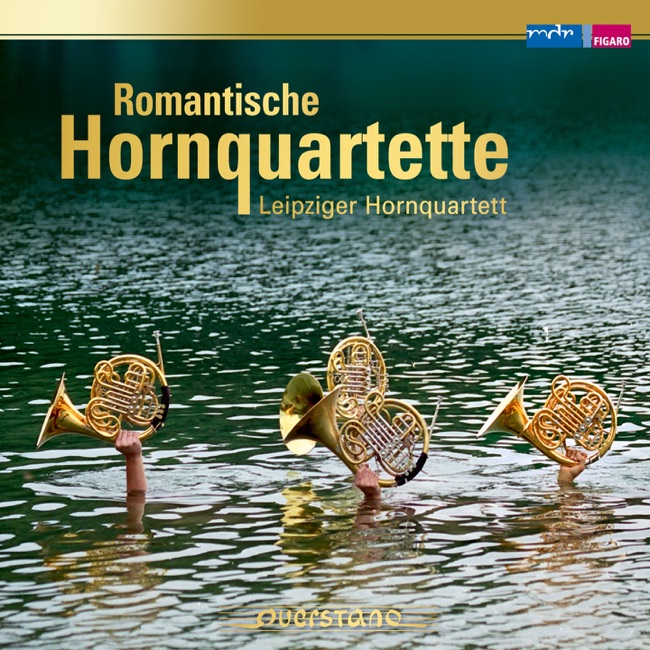
Pieces (6) for 4 hunting horns
Released Album
Recent Album
Works Info
Composer:Anton RichterGenre:ChamberStyle:Chamber MusicCompose Date:1832Average_duration:7:41Movement_count:6Movement ....Anton Richter's "Pieces (6) for 4 hunting horns" is a collection of six short pieces composed for four natural horns. The work was composed in the late 18th century, although the exact date of composition is unknown. The premiere of the work is also unknown, but it is likely that it was performed in a hunting context, as the hunting horn was a popular instrument for signaling and communication during hunts. The six movements of the work are all relatively short, with each movement lasting between one and two minutes. The first movement is a lively fanfare, featuring a call-and-response between the four horns. The second movement is a slower, more lyrical piece, with a simple melody passed between the horns. The third movement is a fast and energetic piece, with a driving rhythm and intricate horn interplay. The fourth movement is a brief, playful piece, featuring a series of short motifs passed between the horns. The fifth movement is a slow and mournful piece, with a haunting melody played by the first horn. The final movement is a lively and celebratory piece, featuring a series of fanfares and horn calls. The characteristics of Richter's "Pieces (6) for 4 hunting horns" are typical of the hunting horn repertoire of the time. The work is characterized by its use of natural horns, which produce a warm, rich tone that is well-suited to the outdoor hunting context. The work also features a variety of horn techniques, including lip trills, glissandos, and hand-stopping, which were commonly used in hunting horn music. The work is also notable for its use of call-and-response and horn interplay, which were important features of hunting horn music. Overall, Richter's "Pieces (6) for 4 hunting horns" is a charming and engaging work that showcases the unique qualities of the natural horn. Its short movements and lively rhythms make it well-suited to the hunting context, while its intricate horn interplay and use of techniques make it a valuable addition to the horn repertoire.More....
Works Music
Released Music