Johann Pachelbel
Magnificat Fugue in tone 8, No. 4, T. 186
Released Album
Recent Album
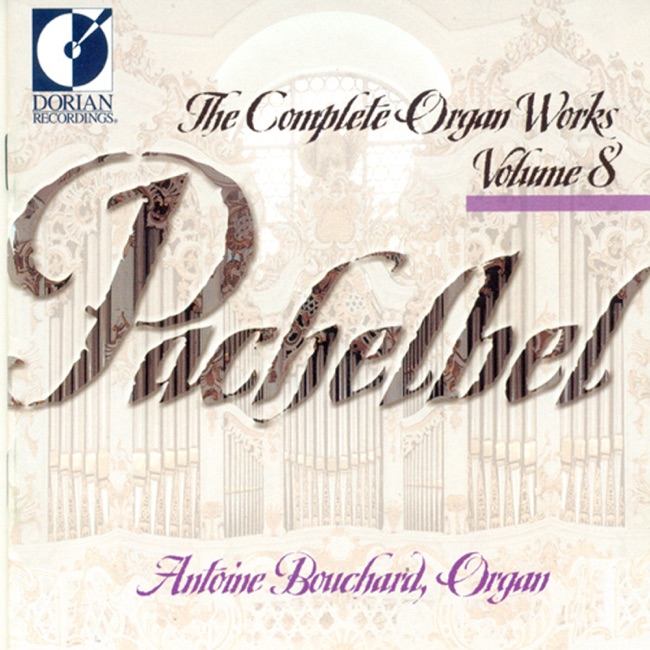
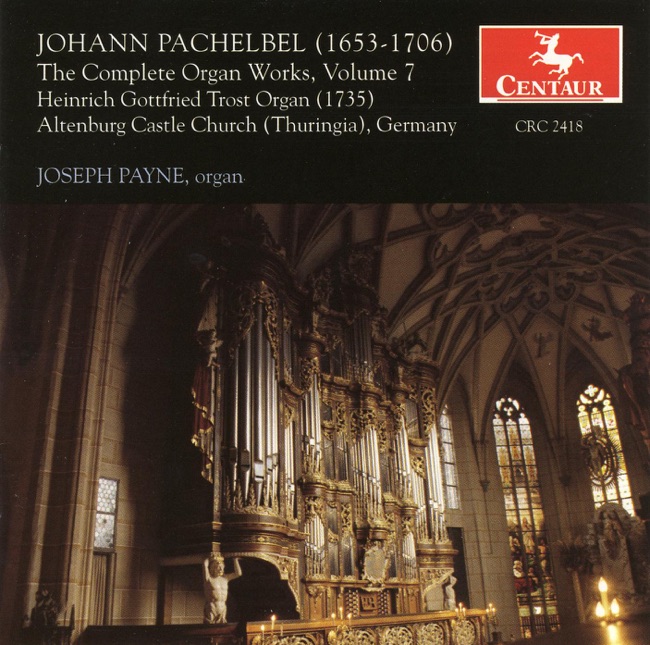
Works Info
Composer:Johann PachelbelGenre:KeyboardStyle:FugueCompose Date:before Apr 1706Average_duration:1:29Johann Pachelbel's Magnificat Fugue in tone 8, No. 4, T. 186 is a choral work that was composed in the late 17th century. It was first premiered in the St. Sebaldus Church in Nuremberg, Germany, where Pachelbel served as the organist. The Magnificat Fugue is part of a larger work, the Magnificat in tone 8, which is a setting of the biblical text known as the Magnificat, or the Song of Mary. The Magnificat Fugue is a four-part fugue that is written in the key of G minor. It is structured in three main sections: the exposition, the development, and the recapitulation. The exposition introduces the main theme of the fugue, which is based on the first line of the Magnificat text: "My soul magnifies the Lord." The theme is presented in the soprano voice and is then imitated by the alto, tenor, and bass voices in turn. The development section of the fugue explores the theme further, with each voice taking turns to elaborate on it and introduce new counterpoint. Pachelbel uses a variety of techniques to create interest and tension in this section, including stretto (overlapping entrances of the theme), inversion (playing the theme upside down), and augmentation (slowing down the tempo of the theme). The recapitulation brings the fugue back to its original theme and structure, with each voice restating the theme in turn. Pachelbel adds some final flourishes to the piece, including a brief coda that brings the work to a satisfying close. One of the characteristics of Pachelbel's Magnificat Fugue is its use of counterpoint. Pachelbel was a master of this technique, which involves combining multiple independent melodies to create a complex and harmonically rich texture. The Magnificat Fugue showcases Pachelbel's skill in this area, with each voice contributing to the overall texture of the piece. Another characteristic of the Magnificat Fugue is its use of tonality. Pachelbel was known for his use of tonal harmony, which involves organizing music around a central key or tonality. The Magnificat Fugue is no exception, with its clear tonal center in G minor and its use of harmonic progressions to create tension and release. Overall, Pachelbel's Magnificat Fugue in tone 8, No. 4, T. 186 is a masterful example of Baroque choral music. Its use of counterpoint, tonality, and structure make it a timeless work that continues to be performed and enjoyed by audiences today.More....
Works Music