Heitor Villa-Lobos
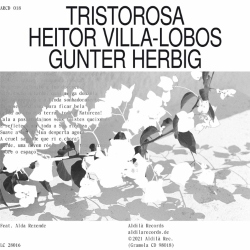
Tristorosa, A. 34
Released Album
Recent Album





Works Info
Composer:Heitor Villa-LobosGenre:KeyboardStyle:WaltzCompose Date:1910Average_duration:5:19"Tristorosa, A. 34" is a solo piano piece composed by the Brazilian composer Heitor Villa-Lobos. The piece was composed in 1929 and premiered in Rio de Janeiro in the same year. It is one of Villa-Lobos' most popular piano works and is often performed in recitals and competitions. The piece is divided into three movements, each with its own distinct character and mood. The first movement, marked "Lento," is a melancholic and introspective piece that features a simple, yet haunting melody. The second movement, marked "Allegro," is a lively and rhythmic piece that showcases Villa-Lobos' skill in writing virtuosic piano music. The final movement, marked "Lento," returns to the introspective mood of the first movement, but with a more hopeful and optimistic tone. One of the most striking characteristics of "Tristorosa" is its use of Brazilian folk music elements. Villa-Lobos was known for incorporating traditional Brazilian music into his compositions, and "Tristorosa" is no exception. The first movement, for example, features a melody that is reminiscent of the Brazilian folk song "Modinha." The second movement incorporates elements of the Brazilian dance form known as the "maxixe," while the final movement features a melody that is based on the Brazilian hymn "Luar do Sertão." Overall, "Tristorosa, A. 34" is a beautiful and evocative piece of music that showcases Villa-Lobos' unique style and his ability to blend traditional Brazilian music with modern classical techniques. Its popularity among pianists and audiences alike is a testament to its enduring appeal and its place as one of Villa-Lobos' most beloved works.More....