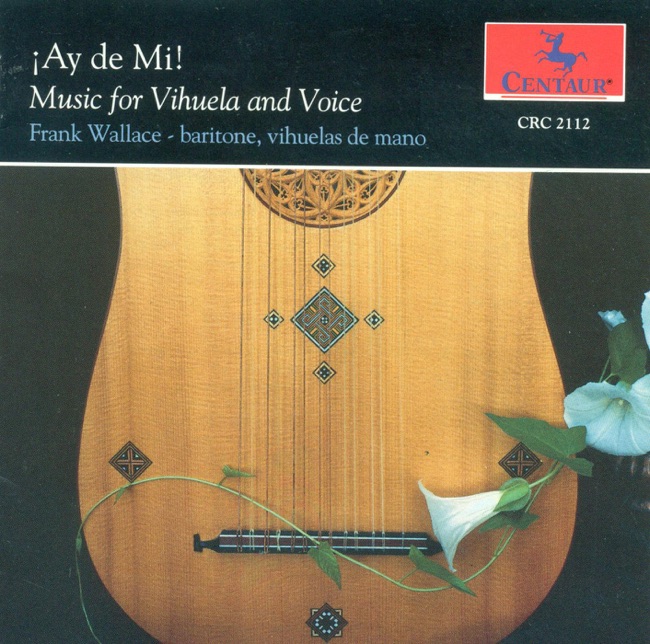
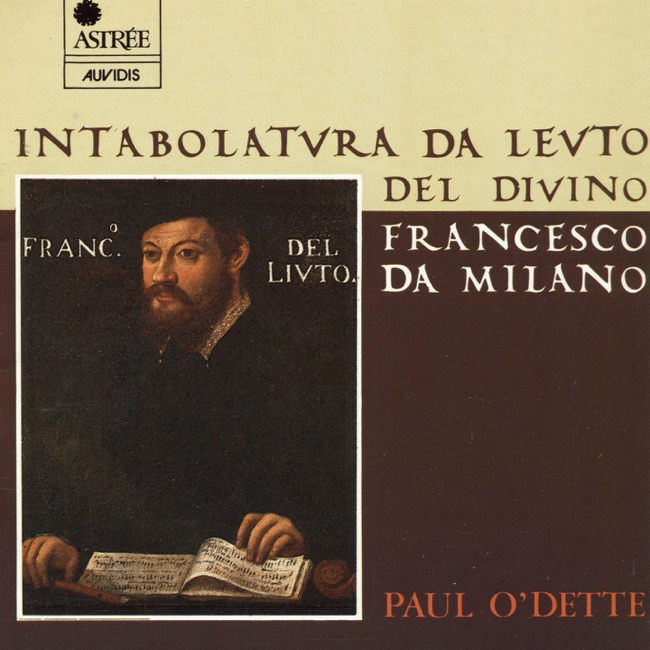
Francesco Canova da Milano
Ricercar (Fantasia) No. 4
Released Album
Recent Album
Works Info
Composer:Francesco Canova da MilanoGenre:KeyboardStyle:RicercarAverage_duration:0:48Francesco Canova da Milano was an Italian composer and lutenist who lived during the Renaissance period. He was born in 1497 in Monza, Italy, and died in 1543 in Milan. He was known for his virtuosic lute playing and his compositions for the instrument. One of his most famous works is the "Ricercar (Fantasia) No. 4." The "Ricercar (Fantasia) No. 4" was composed for solo lute and is one of the most challenging pieces in the lute repertoire. It is believed to have been composed in the early 16th century, although the exact date is unknown. The piece is in the form of a ricercar, which is a type of instrumental composition that was popular during the Renaissance period. The ricercar was a precursor to the fugue and was characterized by its use of imitative counterpoint. The "Ricercar (Fantasia) No. 4" is divided into three movements. The first movement is marked "Allegro" and is in a lively tempo. It features a series of intricate runs and arpeggios that showcase the lutenist's technical skill. The second movement is marked "Adagio" and is in a slower tempo. It is a more contemplative and introspective movement that features a series of melodic variations. The third movement is marked "Allegro" and is in a fast tempo. It is a virtuosic movement that features a series of rapid-fire runs and arpeggios. The "Ricercar (Fantasia) No. 4" is characterized by its use of imitative counterpoint, which is a technique where one voice imitates another voice. This creates a sense of unity and coherence in the piece. The piece also features a series of intricate runs and arpeggios that showcase the lutenist's technical skill. The use of melodic variations in the second movement adds a sense of depth and complexity to the piece. Overall, the "Ricercar (Fantasia) No. 4" is a challenging and virtuosic piece that showcases the technical skill and musicality of the lutenist. It is a testament to the rich musical tradition of the Renaissance period and continues to be performed and studied by lutenists today.More....
Works Music