William Byrd
Fantasia a 3, for instrumental consort No. 3 in C major
Released Album
Recent Album
Works Info
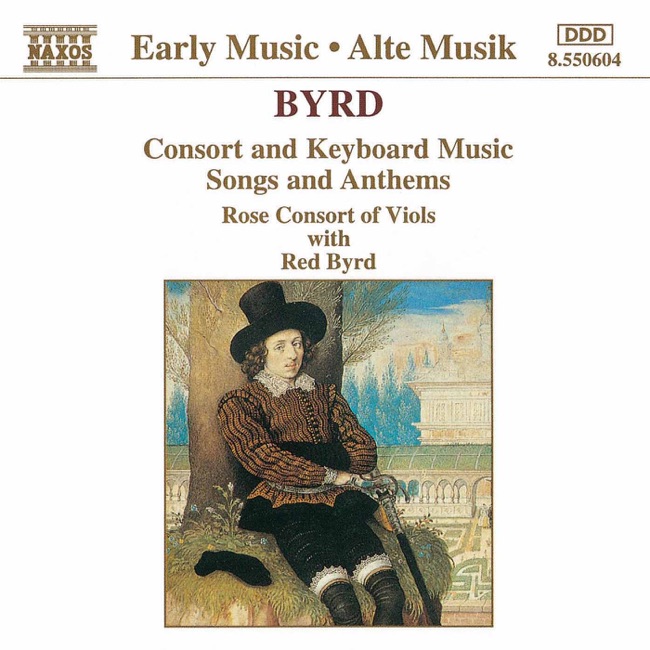
Composer:William ByrdGenre:ChamberStyle:FantasyAverage_duration:2:27Fantasia a 3, for instrumental consort No. 3 in C major is a piece of music composed by William Byrd, an English composer of the Renaissance era. The piece was composed in the late 16th century, around 1580-1590. It was first premiered in the court of Queen Elizabeth I, where Byrd was a member of the Chapel Royal. The piece is divided into four movements, each with its own distinct characteristics. The first movement is a lively and energetic allegro, featuring a lively melody played by the violins and a driving rhythm provided by the bass instruments. The second movement is a slower and more contemplative adagio, featuring a beautiful and expressive melody played by the violins and violas. The third movement is a lively and playful allegro, featuring a lively and intricate interplay between the different instruments. The final movement is a fast and energetic presto, featuring a lively and intricate melody played by the violins and a driving rhythm provided by the bass instruments. The piece is characterized by its use of counterpoint, a technique in which two or more melodies are played simultaneously, creating a complex and intricate texture. Byrd was a master of this technique, and his use of counterpoint in this piece is particularly impressive. The piece also features a wide range of instrumental colors, with each instrument contributing its own unique sound to the overall texture. Overall, Fantasia a 3, for instrumental consort No. 3 in C major is a beautiful and complex piece of music that showcases Byrd's mastery of counterpoint and his ability to create intricate and expressive textures using a variety of instruments. It remains a popular piece of music to this day, and is often performed by ensembles specializing in Renaissance music.More....
Works Music
Released Music