Kazuo Fukushima
Requiem
Released Album
Recent Album
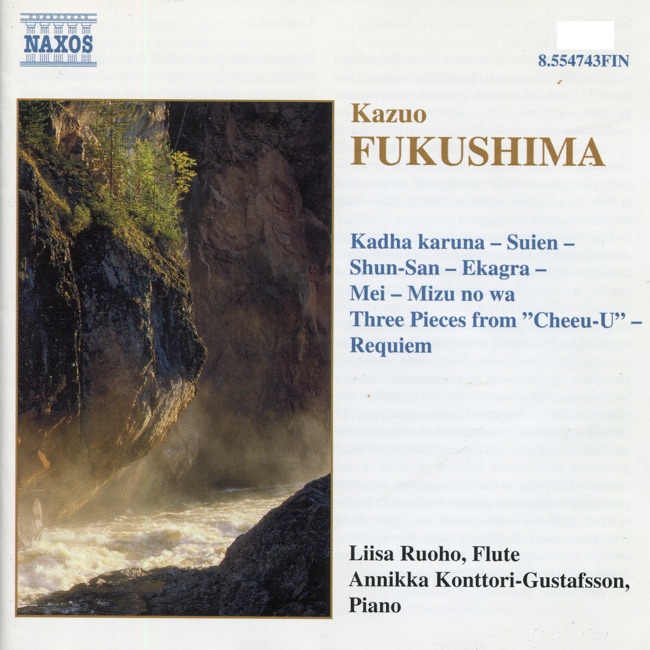
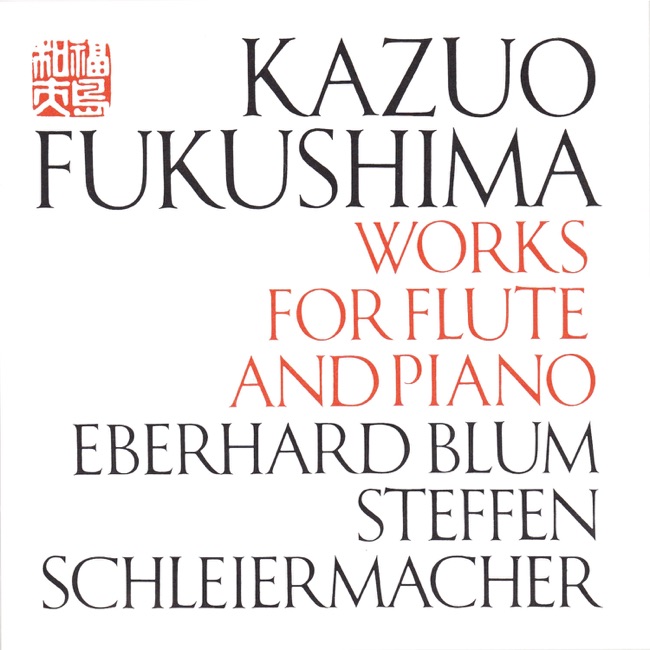
Works Info
Composer:Kazuo FukushimaGenre:ChamberStyle:Chamber MusicCompose Date:1956Average_duration:4:49Kazuo Fukushima's Requiem is a choral work that was composed in 1953. It was premiered in Tokyo in the same year by the NHK Symphony Orchestra and the NHK Chorus. The Requiem is divided into six movements, each with its own unique characteristics. The first movement, "Requiem Aeternam," is a somber and mournful piece that sets the tone for the entire work. The choir sings a simple melody that is accompanied by a sparse orchestration. The movement ends with a hauntingly beautiful solo from the soprano. The second movement, "Dies Irae," is a dramatic and intense piece that features the full orchestra and choir. The choir sings a powerful melody that is punctuated by the orchestra's thunderous percussion and brass. The third movement, "Offertorium," is a more subdued piece that features a solo from the mezzo-soprano. The orchestra provides a gentle accompaniment to the soloist's mournful melody. The fourth movement, "Sanctus," is a joyful and uplifting piece that features the choir singing a hymn of praise. The orchestra provides a bright and lively accompaniment that is reminiscent of a fanfare. The fifth movement, "Agnus Dei," is a peaceful and contemplative piece that features a solo from the tenor. The orchestra provides a gentle accompaniment that is meant to evoke a sense of calm and serenity. The final movement, "Lux Aeterna," is a triumphant and celebratory piece that features the full orchestra and choir. The choir sings a majestic melody that is accompanied by the orchestra's soaring strings and brass. Overall, Fukushima's Requiem is a powerful and moving work that is meant to evoke a sense of mourning, contemplation, and ultimately, hope. The composer's use of simple melodies, sparse orchestration, and powerful choral and orchestral moments creates a work that is both accessible and emotionally resonant.More....
Works Music