


Kazuo Fukushima
Released Album
Chamber
-
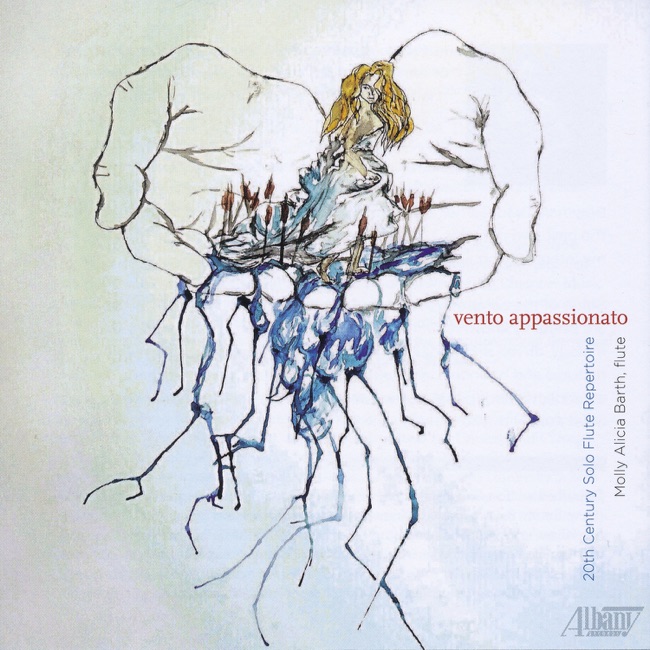 June 18, 2018
 -
 January 1, 2018
 -
 November 10, 2015
 -
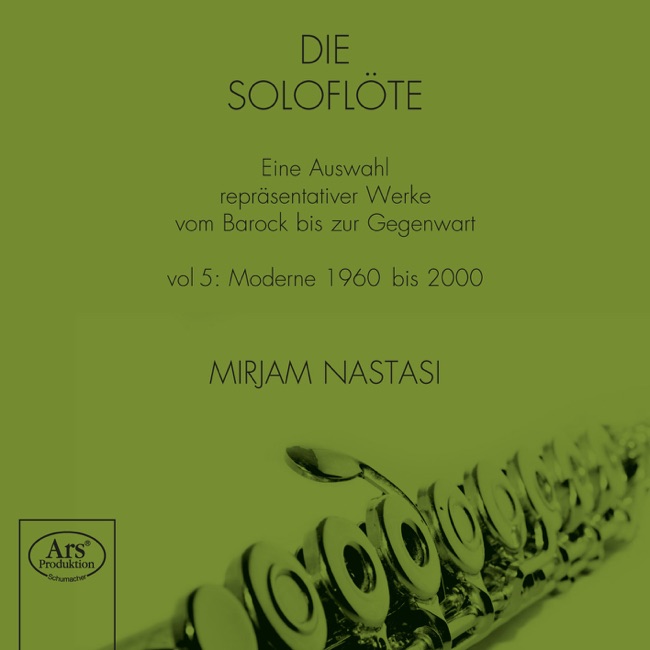
-
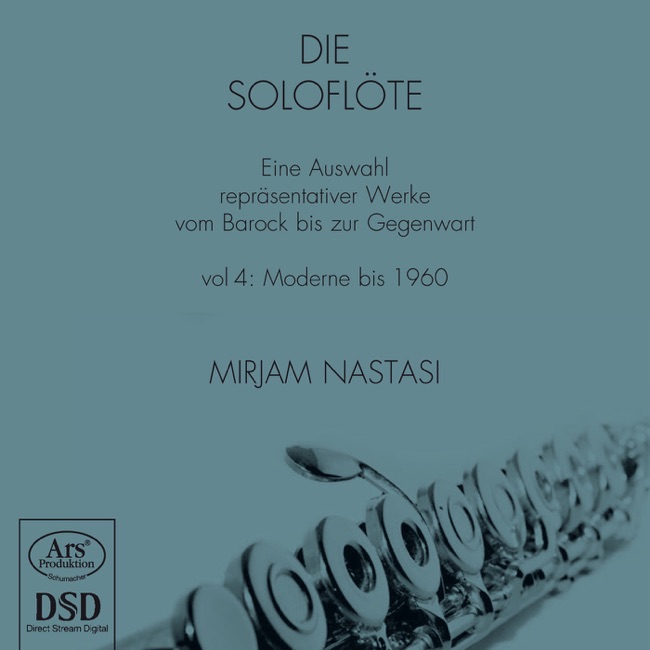 July 9, 2012
 -
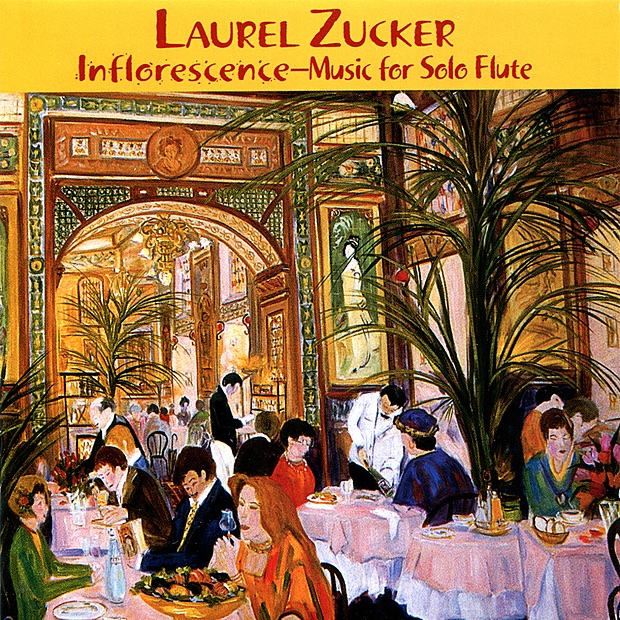 April 1, 2012
Artist Info
Role:ComposerBirth:April 11, 1930Genre:ChamberKeyboardKazuo Fukushima was a Japanese composer who was born on April 27, 1930, in Osaka, Japan. Fukushima was born into a family of musicians, and his father was a composer and conductor. Fukushima's father was his first music teacher, and he began studying music at a young age. Fukushima's father was a strict teacher, and he demanded that his son practice for hours every day. Fukushima's early musical education was focused on Western classical music, and he studied piano, violin, and composition. Fukushima's father was a strong influence on his musical development, and he encouraged his son to pursue a career in music. Fukushima's father was also a strong advocate for the use of traditional Japanese instruments in Western classical music. Fukushima's musical education continued at the Tokyo National University of Fine Arts and Music, where he studied composition with Tomojiro Ikenouchi. Fukushima was a talented composer, and he quickly gained recognition for his work. In 1953, Fukushima won the first prize in the Japan Music Competition for his composition "Requiem for Strings." Fukushima's early compositions were heavily influenced by Western classical music, but he began to incorporate traditional Japanese music into his work. Fukushima was particularly interested in the use of traditional Japanese instruments, such as the shakuhachi and koto, in Western classical music. Fukushima's use of traditional Japanese instruments in his compositions was groundbreaking, and it helped to establish a new genre of music in Japan. Fukushima's most famous work is his composition "Requiem for Strings," which he composed in 1953. The piece is a somber and haunting work that is often performed at funerals and memorials. "Requiem for Strings" is a testament to Fukushima's skill as a composer, and it remains one of his most popular works. In addition to "Requiem for Strings," Fukushima composed a number of other works that are still performed today. One of his most famous works is "Hiyoku no Tori," which he composed in 1960. "Hiyoku no Tori" is a piece for shakuhachi and koto, and it is a beautiful and haunting work that showcases Fukushima's skill as a composer. Fukushima's compositions were not only groundbreaking in their use of traditional Japanese instruments, but they were also innovative in their use of harmony and melody. Fukushima's compositions often featured complex harmonies and intricate melodies that were influenced by both Western classical music and traditional Japanese music. Fukushima's contributions to the world of music were recognized with numerous awards and honors. In 1973, he was awarded the Japan Art Academy Prize, and in 1983, he was awarded the Order of Culture by the Japanese government. Fukushima's work has also been recognized internationally, and he was awarded the UNESCO International Music Prize in 2003. Fukushima continued to compose music throughout his life, and he remained an important figure in the world of music until his death in 2011. Fukushima's legacy lives on through his compositions, which continue to be performed and admired by musicians and music lovers around the world.More....
Recent Artist Music
7

6:58
8
4:47

Copyright Ⓒ 2013 Davinci Finger. All rights reseved
Service Terms & Policy