Franz Liszt
Fantasia & Fuge über den Choral, S. 624
Released Album
Recent Album
Featured Album
Works Info
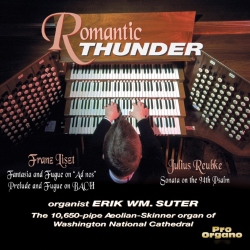
Composer:Franz LisztGenre:KeyboardStyle:FugueCompose Date:1850Publication Date:1852Average_duration:29:03Movement_count:3Movement ....Franz Liszt's "Fantasia & Fuge über den Choral, S. 624" is a monumental work for organ that was composed in 1850. It was premiered in the same year by the composer himself at the inauguration of the new organ at the St. Bonifatius Church in Munich. The work is divided into two movements: the Fantasia and the Fugue. The Fantasia is a free-form section that showcases Liszt's virtuosic organ writing. It begins with a majestic introduction that sets the tone for the entire work. The main theme is then introduced, which is based on the chorale "Ad nos, ad salutarem undam" from Giacomo Meyerbeer's opera "Le prophète." Liszt transforms this theme into a series of variations that explore the full range of the organ's capabilities. The variations range from delicate and introspective to thunderous and grandiose. The Fantasia ends with a triumphant coda that brings the work to a thrilling conclusion. The Fugue is a more structured section that follows the traditional rules of fugue writing. It begins with a subject that is based on the same chorale theme as the Fantasia. The subject is then developed through a series of entries and counterpoints that gradually build in intensity. Liszt's fugue writing is masterful, and he uses a variety of techniques to create a sense of tension and release. The Fugue reaches its climax with a massive pedal point that leads to a final statement of the chorale theme. Overall, "Fantasia & Fuge über den Choral, S. 624" is a tour de force of organ writing. It showcases Liszt's mastery of the instrument and his ability to create a work that is both technically challenging and musically satisfying. The work is a testament to Liszt's status as one of the greatest composers of the Romantic era.More....
Works Music
Released Music
Featured Music