Leo Sowerby
Fisherman's Tune, H. 161
Released Album
Recent Album

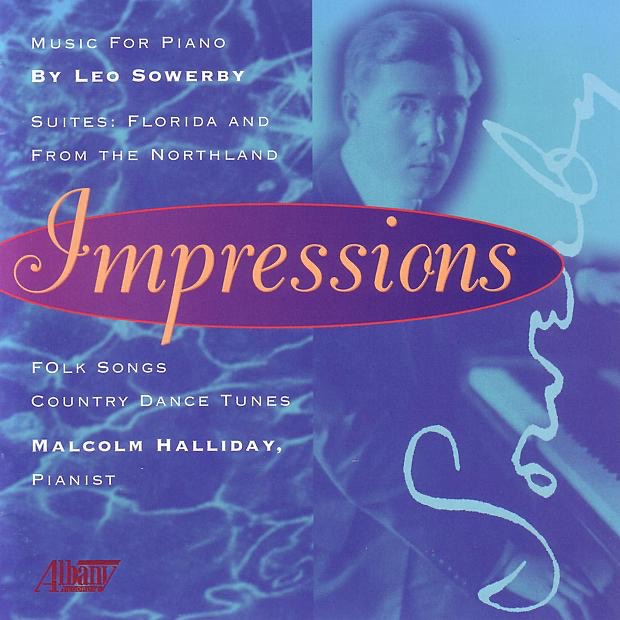
Works Info
Composer:Leo SowerbyGenre:KeyboardStyle:KeyboardCompose Date:1921Average_duration:3:07Fisherman's Tune, H. 161 is a composition for organ by American composer Leo Sowerby. It was composed in 1940 and premiered on May 5, 1940, at the National Cathedral in Washington, D.C. The piece is divided into three movements and has a total duration of approximately 10 minutes. The first movement, marked "Moderato," begins with a simple melody played on the organ's flute stops. This melody is then developed and expanded upon, with the addition of more complex harmonies and textures. The movement builds to a climax before subsiding into a quiet coda. The second movement, marked "Andante," is a lyrical and expressive piece that features a solo melody played on the organ's oboe stops. The melody is accompanied by lush harmonies and delicate figurations in the organ's upper registers. The movement gradually builds in intensity before returning to a quiet and reflective mood. The final movement, marked "Allegro," is a lively and energetic piece that features a fast and rhythmic melody played on the organ's reed stops. The melody is accompanied by driving rhythms and intricate counterpoint, creating a sense of excitement and momentum. The movement builds to a thrilling conclusion, with the organ's full resources employed to create a powerful and triumphant sound. Overall, Fisherman's Tune, H. 161 is a highly expressive and virtuosic work that showcases the full range of the organ's capabilities. Sowerby's use of rich harmonies, intricate counterpoint, and varied textures creates a sense of depth and complexity that rewards repeated listening. The piece is a testament to Sowerby's skill as a composer and his deep understanding of the organ as an instrument.More....