Ignaz Moscheles
Allegro di bravura (3) for piano, Op. 51
Released Album
Recent Album
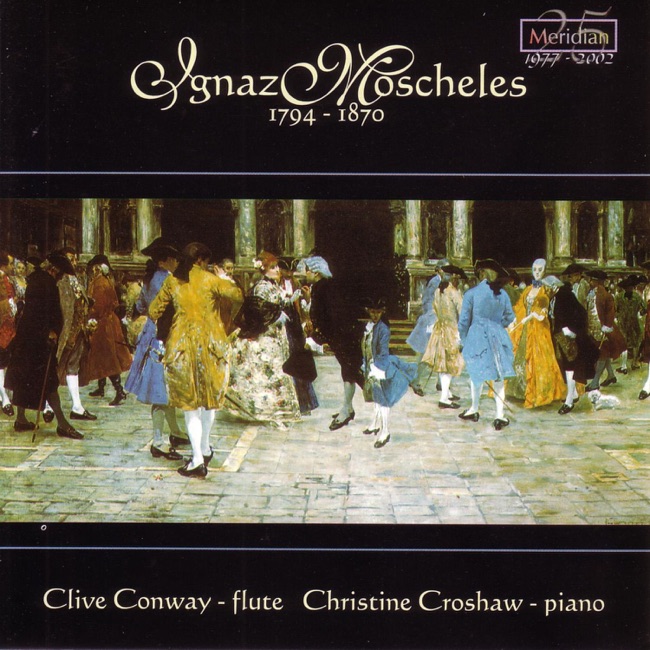
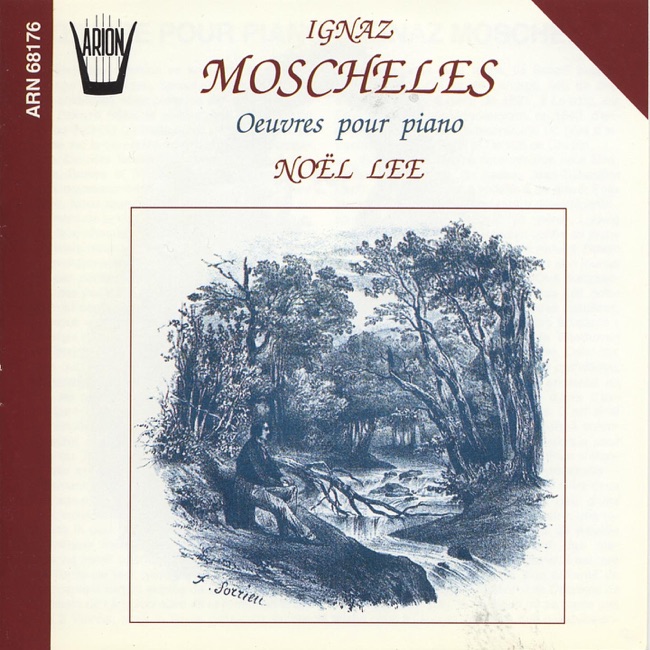
Works Info
Composer:Ignaz MoschelesGenre:KeyboardStyle:KeyboardIgnaz Moscheles was a Czech pianist and composer who lived from 1794 to 1870. He was a prominent figure in the Romantic era of music and was known for his virtuosic piano playing and innovative compositions. One of his most famous works is the "Allegro di bravura (3) for piano, Op. 51." The "Allegro di bravura (3) for piano, Op. 51" was composed in 1827 and premiered in the same year. It is a three-movement work that showcases Moscheles' technical prowess and musicality. The first movement is marked "Allegro con fuoco" and is characterized by its fast tempo and fiery energy. The second movement is a slower, more lyrical piece marked "Adagio cantabile." The final movement is a virtuosic tour-de-force marked "Allegro di bravura" that features rapid runs, arpeggios, and other technical flourishes. One of the defining characteristics of the "Allegro di bravura (3) for piano, Op. 51" is its use of contrasting moods and tempos. Moscheles was known for his ability to create music that was both technically challenging and emotionally expressive, and this work is no exception. The fast and furious first and third movements are balanced by the more introspective second movement, creating a sense of tension and release throughout the piece. Another notable aspect of the "Allegro di bravura (3) for piano, Op. 51" is its use of virtuosic piano techniques. Moscheles was a master of the piano, and he used his knowledge of the instrument to create music that pushed the boundaries of what was possible. The final movement, in particular, is a showcase of Moscheles' technical abilities, with rapid runs, arpeggios, and other challenging passages that require a high level of skill to perform. Overall, the "Allegro di bravura (3) for piano, Op. 51" is a masterpiece of Romantic-era piano music. Its combination of technical virtuosity and emotional expressiveness make it a challenging and rewarding piece for pianists to perform, and its enduring popularity is a testament to Moscheles' skill as a composer.More....